
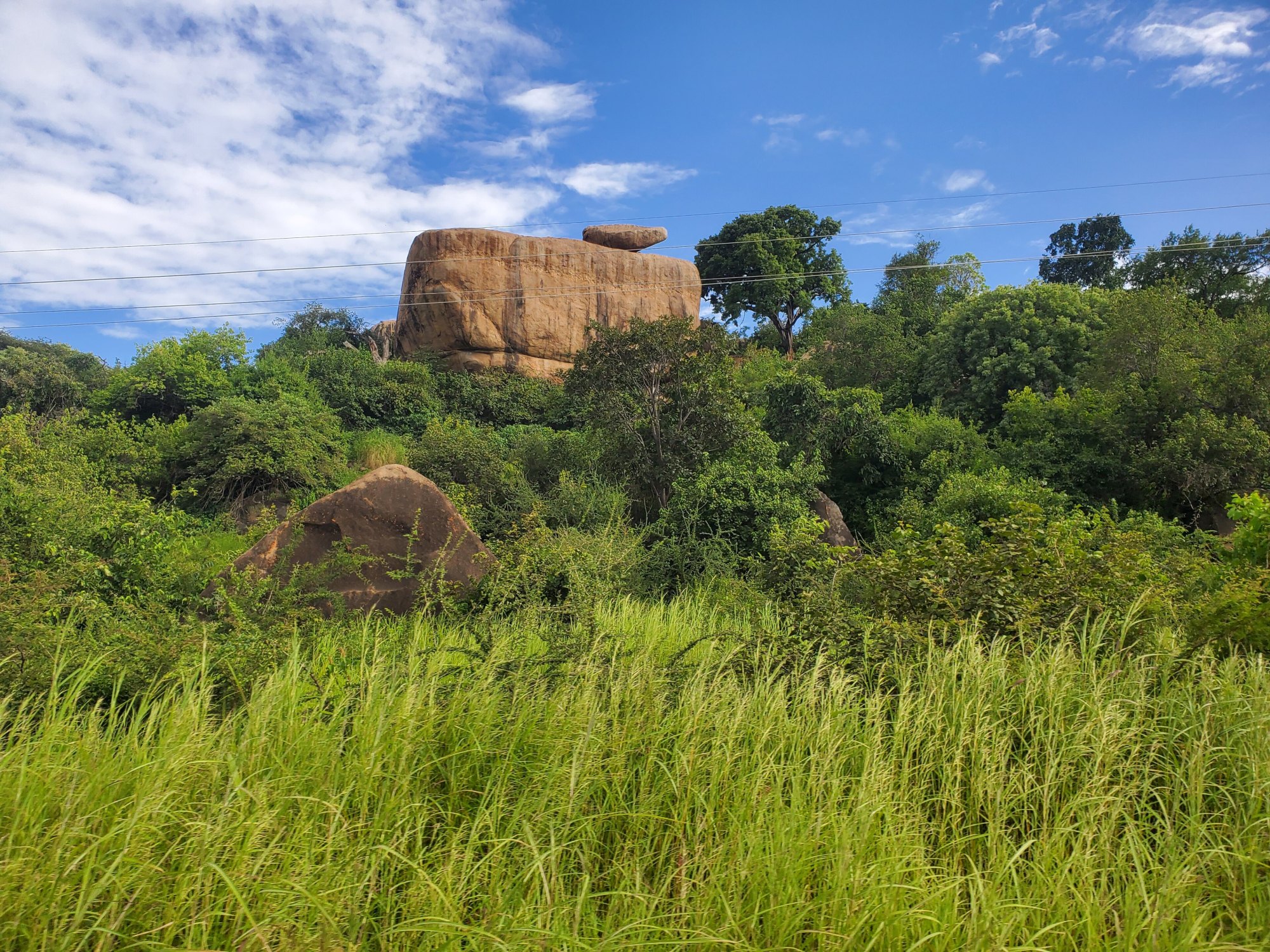
The reserve on the Serengeti’s south-western boundary
Maswa Game Reserve runs along the south-western edge of Serengeti National Park, across the Bariadi, Meatu and Itilima districts of Simiyu Region. It took its name from the Sukuma word for grasses, and until Simiyu Region was created in 2012 it sat within Shinyanga Region.
Its area and its gazettement date are both published two ways by the Tanzania Wildlife Management Authority. TAWA’s reserve page gives 2,763.76 square kilometres and a date of 1974; TAWA’s own protected-areas register gives 2,200 square kilometres and a gazettement in 2002 under Government Notice 482. UNESCO’s assessment of the Serengeti also gives Maswa as 2,200 square kilometres, which makes that the better-corroborated figure, but the larger one is published by the same authority and is recorded here too.
Maswa is part of the Serengeti–Mara ecosystem — TANAPA names it among the ecosystem’s components in its Serengeti brochure — and UNESCO’s evaluation of the national park goes further, naming Maswa specifically as a candidate for stronger protection or buffer-zone status on the grounds that the park alone cannot secure the whole system.
What is here
The reserve carries the migration. TAWA states that the wildebeest cross Maswa in January and February, as the herds work between the southern short-grass plains and the west, which puts it on the calving-season side of the cycle rather than the river-crossing side. The great migration safari guide sets out the wider circuit.
Its resident species list is the more interesting claim. TAWA describes Maswa as the last remaining refuge in the Serengeti ecosystem for roan antelope, greater and lesser kudu, black rhino and what it calls Robert’s gazelle — species it says are rare or absent elsewhere in the ecosystem. That is a significant statement from the administering authority and it is reproduced here as TAWA’s, without a count for any of them, and in particular without any figure for rhino.
Birds run to more than 200 recorded species, with TAWA naming Fischer’s lovebird, the ashy starling and the rufous-tailed weaver among them — see bird watching.
The landscape is granite kopje country cut by the Simiyu River, and TAWA names its features individually: Mlima Ngoma, Sun Down Rock, Leopard Rock, Masai Paints Rock, three hippo pools, and the open plain it calls simply Mbuga. TAWA gives the rainfall as 700 to 850 millimetres and the average temperature as 27 °C, and names July to September as the best months — the same dry window that governs the northern circuit’s season next door.
Both kinds of tourism, stated plainly
TAWA is explicit that both trophy hunting and photographic tourism are conducted in Maswa Game Reserve. Its published photographic activity list is game drives, filming, walking safaris with a professional guide, and night game drives.
That dual use is the single most important thing to understand about this reserve, and it is the reason it is worth saying rather than glossing. A game reserve in Tanzania is not a national park: hunting is permitted in reserves under a licensing regime that national parks do not have. TAWA’s framework for it is published — the hunting season runs from 1 July to 31 December, blocks are allocated by the Minister by auction or tender, tenure runs to ten years for the first two categories and fifteen for the third, and the governing instrument is the Wildlife Conservation (Tourist Hunting) Regulations of 2015 as amended in 2017 and 2019. TAWA’s own page for Maswa leaves its hunting-block section empty, so no individual blocks are named by the authority.
Access is by concession arrangement rather than through a public gate. What this means for a photographic visitor is that night game drives and walking safaris are both available here when they are restricted or absent inside the national park, and that vehicle numbers are low — but also that the ground is shared with a different kind of use at certain times of year. Anyone to whom that matters should ask directly about the area and the dates rather than assume.
Getting there and staying
TAWA names four airstrips serving the reserve — Butuli, Mbono, Makao and Mwamalee — and four camps, at Subeti, Mbono, Mwamalee in the north of the reserve and a site in Maswa South. The reserve’s administrative office is at Bariadi.
Maswa is almost never visited on its own. It is reached from the southern Serengeti and the Ndutu side of the ecosystem, and the NCAA’s own record of wildlife movement routes includes a Ndutu–Maswa corridor. In practice it appears in itineraries as a concession stay attached to time in the park, which is one reason a Serengeti trip rarely shrinks below the span discussed in the guide to how long a Tanzania itinerary has to be.
Maswa is charged by the Tanzania Wildlife Management Authority rather than by TANAPA, and the schedules are different. TAWA’s published non-consumptive tariff puts entry to Maswa at US$50 per non-citizen adult for twenty-four hours and US$30 for a child of five to seventeen, with a further US$25 per person per day where guests stay at a camp or lodge inside the reserve. Unlike the national park tariff, TAWA’s schedule carries no effective date and no Government Notice number — the guide to which Tanzanian authority charges what explains why that matters.
Common questions about Maswa Game Reserve
Is Maswa open to photographic safaris?
Yes. TAWA lists game drives, filming, walking safaris with a professional guide and night game drives among the activities conducted in the reserve, alongside trophy hunting. Access is by concession arrangement rather than a public gate.
Is hunting carried out in Maswa?
Yes, and TAWA says so directly. Tanzania’s game reserves permit licensed tourist hunting under a published regime with a season running from 1 July to 31 December. National parks do not. This is the structural difference between a reserve and a park.
How big is Maswa?
TAWA publishes two figures: 2,763.76 square kilometres on its reserve page and 2,200 square kilometres in its protected-areas register. UNESCO also gives 2,200, which makes that the better-supported number, but both are recorded here.
Does the migration pass through Maswa?
TAWA states that the wildebeest migration crosses the reserve in January and February, as the herds move between the southern plains and the west. As everywhere in this ecosystem, the timing shifts with the rain.
What can you see here that you cannot see in the Serengeti?
TAWA describes Maswa as the last remaining refuge in the ecosystem for roan antelope, greater and lesser kudu, black rhino and Robert’s gazelle. That is the authority’s claim rather than a guaranteed sighting list, and none of those species should be planned around.