
Tanzania Safari Packages
Compare 91 safaris from 11 listed tour operators, from the Serengeti migration to Kilimanjaro and Zanzibar.
Discover Tanzania Safaris
Every safari below is run by an independent tour operator. Compare itineraries, durations and prices in US dollars, then enquire directly with the operator — there is no booking fee.
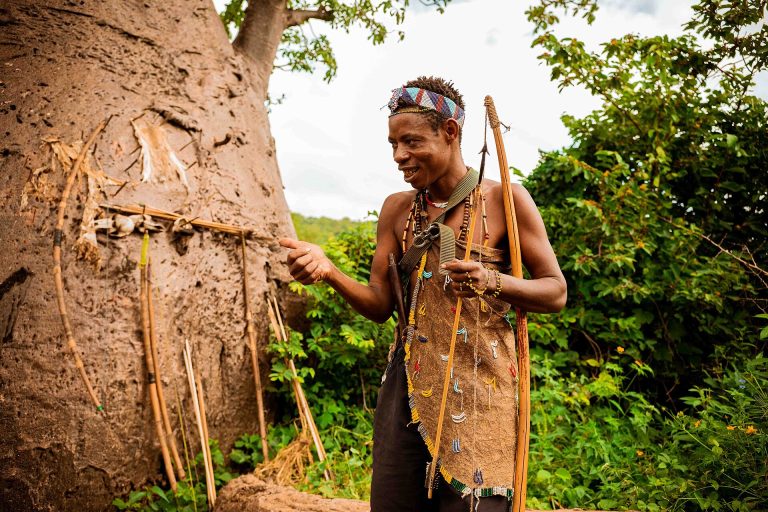

10 Days Wildlife Tanzania & Culture Safari
by Insight Safari Holidays Verified operator
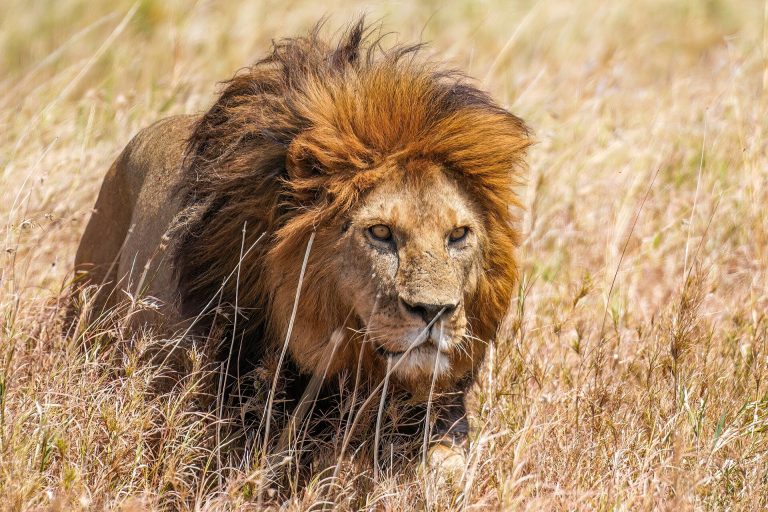

3 Days Serengeti & Ngorongoro Safari, Tanzania Wildlife Tour
by Kori Safaris Verified operator

9 Days Value for Money Safari in Tanzania
by Kori Safaris Verified operator
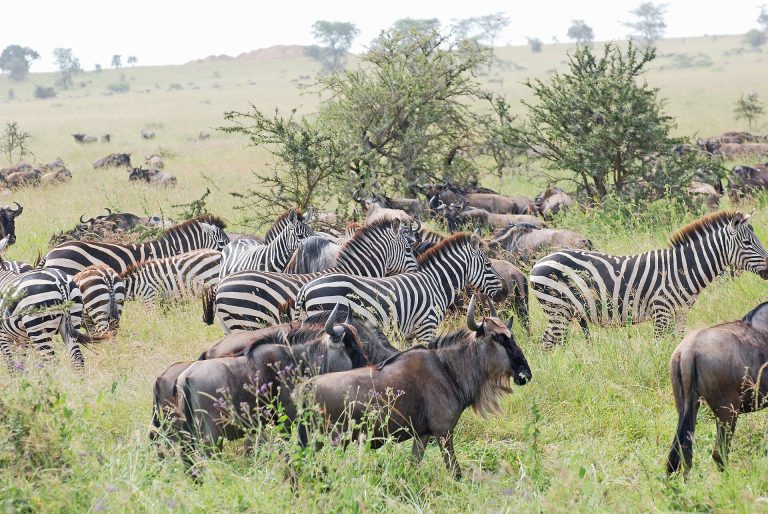
7 Days Serengeti Migration Safari & Wildlife Tours
by Insight Safari Holidays Verified operator
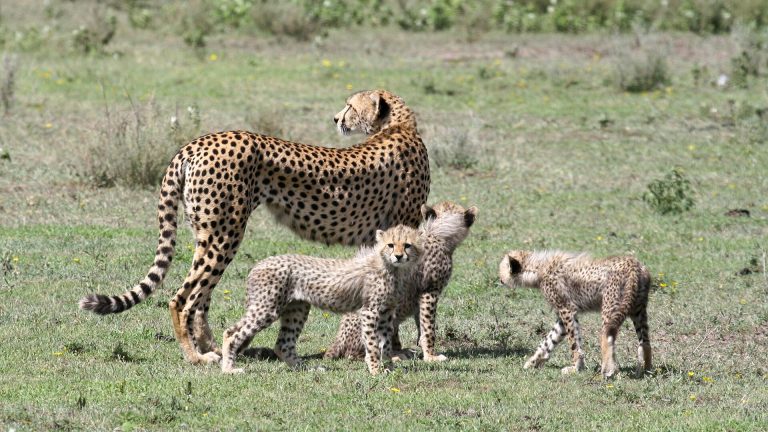
9 Day Tanzanian Honeymoon Holiday
by Insight Safari Holidays Verified operator
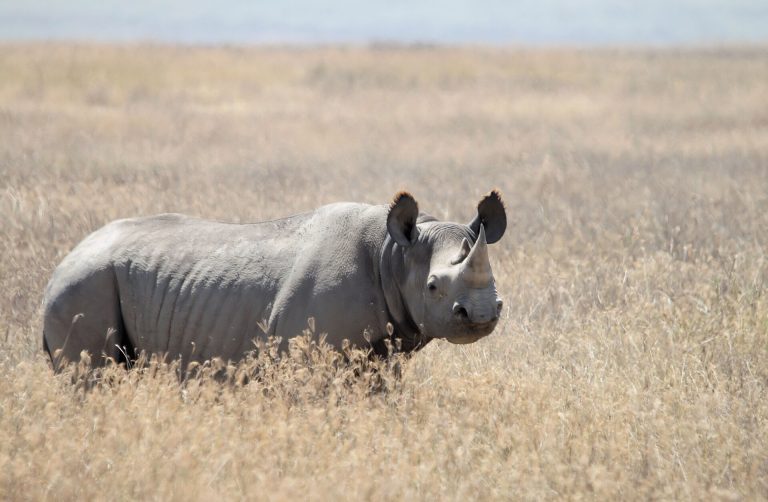

2 Days Ngorongoro Crater Safari
by Tranquil Safaris Verified operator
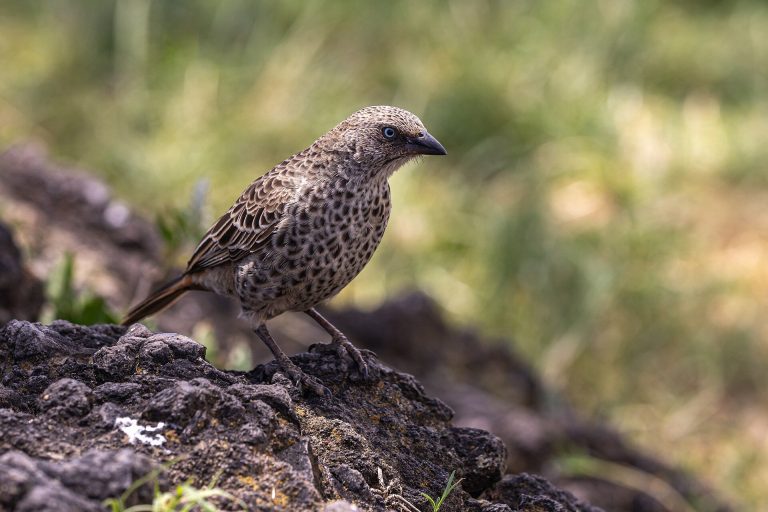

9 Days Tanzania Birding Adventure
by Wild Whispers Africa Verified operator

7 Days Photography Safari Tanzania
by Tranquil Safaris Verified operator
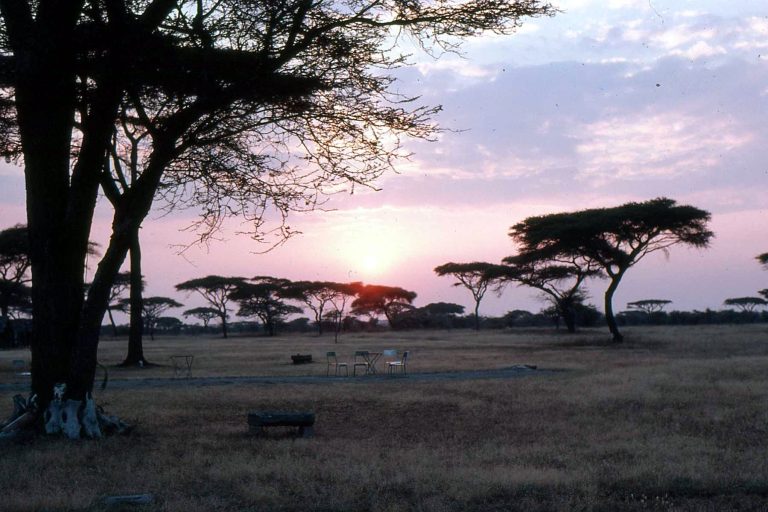

5 Days Explore Serengeti Tanzania
by Oree Safaris Verified operator
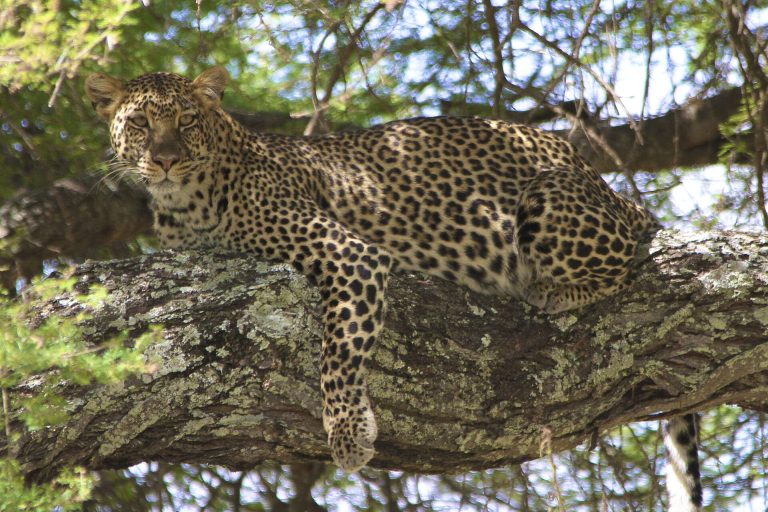
15 Days Kenya & Tanzania Big Five Safari
by Insight Safari Holidays Verified operator
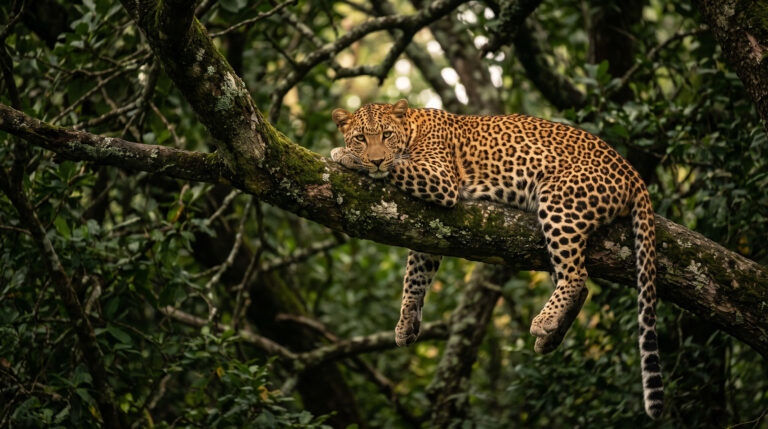

14-Day Big 5 Safari & Zanzibar
by Wildfinder Tours & Safaris Limited Verified operator
From $3,322 – $4,687 per person
View Safari
8 Days Luxury Tanzania Safari | Premium Wildlife & Migration Experience
by Kori Safaris Verified operator

7 Days Birdwatching in Tanzania
by Wild Whispers Africa Verified operator
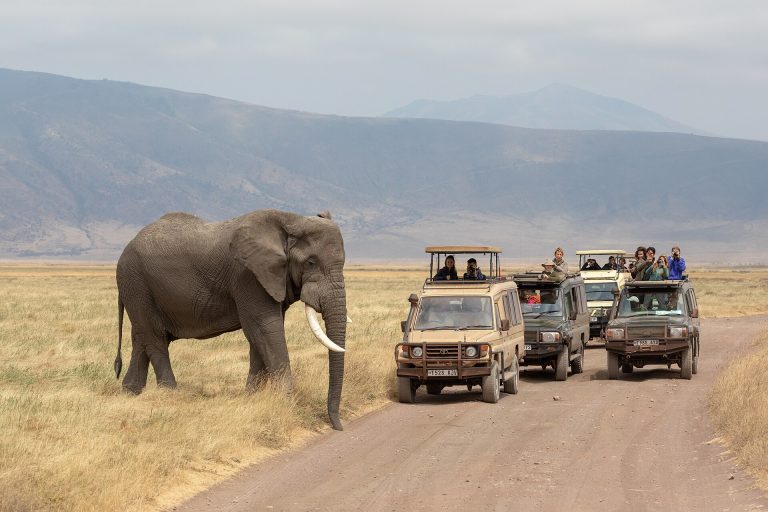
12 Days Wildlife Photography Tour Tanzania
by Insight Safari Holidays Verified operator
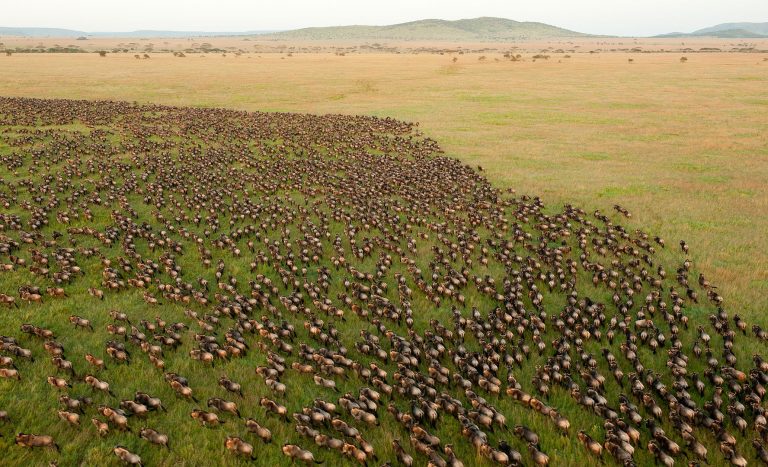
9 Days Tanzania Migration Safari, Great Migration Experience
by Kori Safaris Verified operator
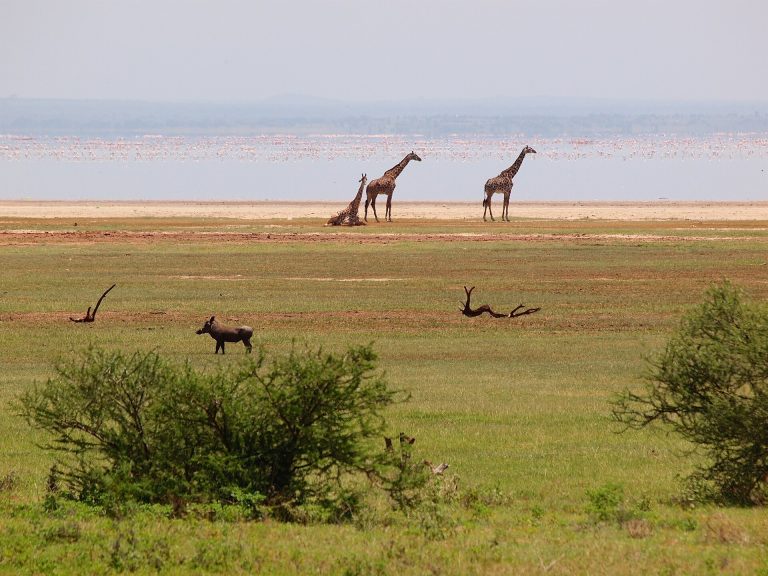
2 Days Lake Manyara Safari
by Tranquil Safaris Verified operator

5 Day Fly in Safari Tanzania Adventure
by Insight Safari Holidays Verified operator
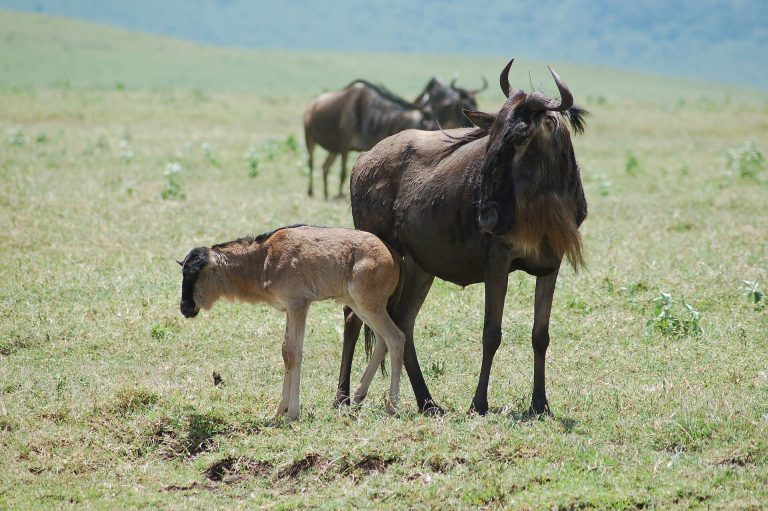

Ngorongoro & Serengeti Calving Season
by Ancient Africa Safaris Verified operator
From $7,400 per person
View Safari
7 Day Mt. Kilimanjaro Trek, Marangu Route
by Insight Safari Holidays Verified operator
7 Day Safari Tanzania Holiday
by Insight Safari Holidays Verified operator
Tanzania Safaris
Most Tanzania safaris follow the northern circuit, a road loop out of Arusha through Tarangire and the Ngorongoro Crater to the Serengeti, where game drives run all year and the Great Migration sets the calendar. Wilder southern parks such as Nyerere and Ruaha, and the fly-in west at Katavi and Mahale, suit second visits or longer trips. Which one fits depends on your month, the number of nights you have and whether you drive or fly.
Tanzania Safari Parks at a Glance
Fourteen Tanzania safari areas by circuit, main draw, best months and access, so you can see which ones suit your trip.
| Park | Circuit | Known for | Best months | Access | What it means for you |
|---|---|---|---|---|---|
| 01Serengeti National Park14,763 km² | Northern | Great Migration, lion, cheetah, open plains | All year; the right region changes by month | Road from Arusha via Ngorongoro, or bush flight | Book a camp in the region the herds use in your month, and plan at least two full days |
| 02Ngorongoro CraterNgorongoro Conservation Area | Northern | Dense game on the crater floor, black rhino | All year; January–February and June–October driest | Road from Arusha via Karatu | A half-day descent with other vehicles; set off early and expect company |
| 03Tarangire National ParkManyara Region | Northern | Elephant herds, baobabs, Tarangire River | June–October, peaking in October | About 1½ hours by road from Arusha | Strongest late in the dry season; an easy first or last park |
| 04Lake Manyara National ParkRift Valley escarpment | Northern | Groundwater forest, lake birdlife | January–February and June–October | About 2 hours by tarmac from Arusha | A half day is usually enough; the first park to drop on a short trip |
| 05Arusha National ParkMount Meru foothills | Northern | Momella Lakes, Ngurdoto Crater, Mount Meru | January–February and June–October | Short drive from Arusha town | Good on an arrival or departure day, and one of the parks with guided walks |
| 06Mkomazi National Park3,234 km², borders Tsavo West | Northern (north-east) | Fenced black rhino reserve, wild dog programme, dry bush | January–February and June–October | Road via Moshi and Same, then 6 km of gravel | Few vehicles; ask your operator in advance about rhino viewing |
| 07Nyerere National Park30,893 km², former northern Selous | Southern | Rufiji River boat trips, wild dog, walking | June–November; December–February workable | Bush flight or long road from Dar es Salaam | Mixes boat, walk and drive in one stay, which few northern parks allow |
| 08Ruaha National ParkIringa Region | Southern | Great Ruaha River, big predators, few vehicles | June–October | Usually flown; 625 km by road from Dar es Salaam | Best late in the dry season when the river shrinks to pools |
| 09Mikumi National ParkMorogoro Region | Southern | Open floodplain game close to Dar es Salaam | June–October | About 4 hours (283 km) by surfaced road from Dar es Salaam | The shortest road safari from the coast; pairs with Zanzibar |
| 10Udzungwa Mountains National ParkEastern Arc forest | Southern | Forest trails, waterfalls, endemic primates | June–October | Road from Dar es Salaam via Mikumi town | A hiking park with no game drives; trails are steeper and muddier in the rains |
| 11Katavi National ParkKatavi Region | Western | Floodplains, hippo and buffalo crowding the last water | July–October only | Fly-in; about 1,400 km by road from Dar es Salaam | Only open in practice for four months; camps fill early |
| 12Mahale Mountains National ParkLake Tanganyika shore | Western | Chimpanzee trekking in mountain forest | June–October for drier forest tracks | 3-hour flight from Arusha, then 1½–2 hours by boat | A trip in itself; allow three or more nights for the travel to pay off |
| 13Gombe National ParkKigoma Region | Western | Habituated chimpanzees, Jane Goodall's study area | June–October for drier forest tracks | Fly to Kigoma, then boat up the lake | Small and steep; pairs with Mahale on one western trip |
| 14Saadani National ParkIndian Ocean coast | Coast | Savannah reaching the beach, turtle nesting beaches | June–September and January–February | Road from Dar es Salaam (271 km plus 61 km rough road) or Bagamoyo | A bush and beach stop without a flight; parts close in the rains |
Best months are typical patterns, not guarantees; rains vary from year to year and wildlife sightings are never guaranteed. Last checked November 2026. Sources: Tanzania National Parks park descriptions and general brochure, Ngorongoro Conservation Area Authority, Tanzania Meteorological Authority seasonal definitions.
Northern Circuit Safaris: Serengeti, Ngorongoro, Tarangire and Manyara
The northern circuit safari is what most people picture when they book a Tanzania safari, and for a first trip it is usually the right call. It is compact by East African standards. Tarangire National Park sits about an hour and a half from Arusha by good road, and Lake Manyara is about two hours out on tarmac that carries on up to the Ngorongoro highlands. Past the crater, the tracks drop onto the Serengeti plains.
The Serengeti National Park covers 14,763 km², so a Serengeti safari is really a choice of region. In the wet months the wildebeest herds spread over the short-grass plains of the south-east around Ndutu, where they calve in January and February. By the middle of the year they push west and north, and from roughly June or July into the last months of the year much of the herd is in the far north near the Mara River. The central Seronera valley holds resident lion, leopard and cheetah through most of the year, which is why so many itineraries base themselves there. Picking a camp in the right sector for your month matters far more than the camp's star rating.
The Ngorongoro Crater is the other big name, and it behaves differently. It is a collapsed volcano whose floor holds buffalo, hippo, lion and some of the last black rhino on the northern circuit, all within a few hours' drive of each other. The Ngorongoro Conservation Area is a multiple-use area where Maasai herders still graze cattle, so it is run by its own authority and charges its own fees.
A descent is a half-day game drive on a set road down and a set road up. Trip reports say the same thing again and again: the game is close and easy to see, and so are the other vehicles. Going down at gate opening helps. Nights on the rim are cold, so pack a fleece even in the dry season.
Tarangire is the park people underrate. Its elephant herds gather along the Tarangire River late in the dry season, and TANAPA describes the density of large animals there in October as second only to the Ngorongoro Crater. It is also tsetse country in places, so leave dark blue and black clothing in the bag. Lake Manyara is the smallest of the four and the one forum posters most often say to drop when a short itinerary feels crowded. Its groundwater forest and lake birdlife are pleasant, but a half day is usually enough.
Around the edges sit a handful of add-ons that change the character of a northern trip. Arusha National Park gives walking and canoeing on the Momella Lakes within reach of town. Lake Eyasi is where Hadzabe and Datoga cultural visits usually happen. Lake Natron, hot and remote under Ol Doinyo Lengai, is the flamingo breeding ground. Mkomazi, out east toward the Kenyan border, holds a fenced black rhino reserve and a wild dog programme, and sees very few vehicles.
The one rule worth taking from people who have done the northern circuit: do not try to see everything. A plan that packs every park into a week spends most of its daylight in a vehicle on rough roads, and the drive from the Serengeti back to Arusha is a long day. Flying one leg, usually the return from a Serengeti airstrip, buys back that day.
Southern Tanzania Safaris in Nyerere, Ruaha and Mikumi
A southern Tanzania safari trades the famous names for space. Nyerere National Park, created from the northern part of the old Selous Game Reserve, covers 30,893 km² and is the largest national park in the country. Its draw is the Rufiji River system. A stay there can mix a morning boat trip past hippo and crocodile, a guided walk and an afternoon drive, a combination the northern parks rarely offer in one camp. Nyerere is also one of the better places in Tanzania for wild dog, though sightings are never guaranteed.
Ruaha lies inland and further west, 625 km from Dar es Salaam by road, and most visitors fly in. It is big, dry country with baobabs and large lion prides. The Great Ruaha River shrinks to pools by October, pulling the game onto it.
Mikumi is the easy one, roughly four hours from Dar es Salaam on a surfaced road, which makes it the usual pick for a short safari bolted onto a Zanzibar stay. Udzungwa Mountains next door has no game drives at all. It is forest hiking country with waterfalls and primates found nowhere else.
Western Tanzania Safari Trips to Katavi, Mahale and Gombe
The west is the hardest part of Tanzania to reach. Katavi lies about 1,400 km from Dar es Salaam by road, a trip TANAPA puts at more than 20 hours, so in practice a western Tanzania safari means charter or scheduled bush flights. Katavi National Park is the most seasonal park in the country. TANAPA describes it as accessible only in the dry months from July to October, and late in that window huge numbers of hippo and buffalo crowd onto the last water.
Chimpanzee trekking is the other reason to go west. Mahale Mountains rises straight out of Lake Tanganyika.
Getting there means a flight of about three hours from Arusha with a refuelling stop, then 90 minutes to two hours by boat to the lodges. Gombe, further north on the same lake, is small and steep, and best known as the forest where Jane Goodall began her chimpanzee research. Both are forest walks rather than drives. Chimpanzee trekking in Tanzania has enough detail to fill its own guide, and the point here is that a western leg needs at least three nights to justify the flights.
Choosing a Tanzania Safari Style: Private, Shared, Fly-In or Camping
Once the region is settled, the way you travel decides more about the trip than any single park. A private safari gives your group its own 4x4 with a pop-up roof and a driver-guide, and you set the pace. Want to sit with a leopard for an hour, or turn back early because the children are tired? That is the main argument for going private.
A group-joining safari puts you in a shared vehicle with other travellers, usually up to six, on a fixed itinerary. It costs much less per head and suits solo travellers well. In exchange, you give up control of stops and timing.
Lodging style is the second decision. Permanent lodges feel like hotels, with solid walls, pools on the crater rim and fixed locations. Tented camps range from simple canvas to large suites, and the seasonal and mobile camps in the Serengeti move with the herds. A camping safari uses public or special campsites in or near the parks, with a cook travelling with the vehicle. It is the cheapest way into the Serengeti and the closest to the bush, but you give up showers you can count on.
A fly-in safari swaps road transfers for light aircraft between airstrips. It is the only sensible way to reach the west, the quickest way into Ruaha and the remote corners of the Serengeti, and the reason a short trip can include the north of the park. Soft-sided bags with a weight limit are normal on these flights, so check the allowance before you pack.
Plenty of trips are built around who is travelling. Family safaris lean on lodges with pools and shorter drives, and Tarangire or the crater work well for younger children. Honeymoon trips tend to pair the Serengeti with Zanzibar. Photographic safaris pay for a private vehicle and longer hours in the field.
Safari Activities Beyond the Game Drive
Game drives are the core of almost every Tanzania safari tour, usually one early and one late in the day, with lunch or a rest in between. Around them sits a set of other activities that change from park to park.
Walking safaris with an armed ranger run in parks such as Arusha, Tarangire, Nyerere and Ruaha, and in parts of the Ngorongoro highlands. Boat safaris are a Nyerere speciality, while Arusha National Park offers canoeing on the Momella Lakes. Hot air balloon flights lift off at dawn over the central and southern Serengeti and over Tarangire. Night drives are permitted only in certain parks and private areas. Birding is strong everywhere, with Manyara, Natron and the Rufiji standing out.
Cultural visits fill the gaps between parks: Maasai bomas in the Ngorongoro area, Hadzabe hunter-gatherers and Datoga blacksmiths near Lake Eyasi, and coffee farms around Karatu and Moshi. Listings for Maasai cultural visits and Hadzabe cultural visits show which operators include them. Whichever you choose, ask whether the visit is arranged with the community directly and how the fee reaches them.
When to Go on a Tanzania Safari, Circuit by Circuit
There is no single best month for Tanzania, because the country runs on two rainfall patterns. The Tanzania Meteorological Authority treats the north-east and the coast as bimodal: long rains (Masika) from March to May, short rains (Vuli) from October to December, with a relatively dry gap in January and February and a main dry season from June to September. The south and west are unimodal, with one wet season from about November to April or May and a dry season from May or June to October.
| Region | Driest months | Wettest months | Peak for |
|---|---|---|---|
| North | Jun to Sep | Mar to May | Migration, crater |
| North gap | Jan to Feb | Nov to Dec | Calving at Ndutu |
| South | Jun to Oct | Feb to Apr | Ruaha, Nyerere |
| West | Jul to Oct | Nov to Apr | Katavi, chimps |
| Coast | Jun to Sep | Mar to May | Zanzibar beaches |
For the north, June to October is the classic window. The grass is short, the animals concentrate on water and the tracks are firm, which is why lodges are fullest and dearest then. July and August are the busiest months of all.
January and February are the second high point, built around the calving in the southern Serengeti, and are often quieter. The long rains from March to May are the true low season: some camps close, the black-cotton tracks can stop vehicles, and the trade-off is green country, few other vehicles and lower lodge rates. November and early December bring short afternoon storms rather than days of rain, and the plains green up within weeks.
The south and west run to a different clock. Ruaha and Katavi are at their strongest from August to October, when water is scarce and the game crowds onto the rivers. Nyerere stays workable from December to February in a way that Katavi does not. Mahale and Gombe can be tracked all year, but forest trails are easier in the dry months.
A trip that puts the Serengeti and Ruaha in the same fortnight crosses a climate boundary, not just a distance. For month-by-month detail, read the site's guide to the best time to visit Tanzania. For the herds themselves, the Great Migration safari page covers each Serengeti region in turn.
How Many Days a Tanzania Safari Trip Needs
Distance is what makes Tanzania itineraries go wrong. Three nights works well for Tarangire and Manyara, or the crater and one other park, but not the Serengeti by road there and back. Four to five nights is the short northern circuit. Six to eight nights lets you settle into one region of the Serengeti instead of passing through it.
| Nights | What fits well |
|---|---|
| 3 | Tarangire, Manyara or crater |
| 4 to 5 | Short northern loop |
| 6 to 8 | Full northern circuit |
| 9 to 12 | North plus Zanzibar |
| 13 to 16 | Two circuits by air |
Adding the south or west to a seven-day trip gives you one safari and two travel days. Forum posters also warn about safari fatigue on routes with a new lodge every night. Two nights per stop is calmer. The site's guide to how many days you need in Tanzania works through each length.
Planning a Tanzania Safari: Visas, Insurance and Getting There
Most visitors need a visa, applied for online through the official e-visa system well before travel. Since 1 October, foreign visitors to mainland Tanzania and Zanzibar also need a government inbound travel insurance policy. It is bought once, from the National Insurance Corporation if you enter on the mainland or from the Zanzibar Insurance Corporation if you land on the islands, and it applies even if you already hold private cover. Residents of East African Community and SADC states are exempt. Keep your own full travel insurance as well, since the government policy is basic medical cover.
Tanzania is a malaria area, so see a travel clinic before you go. Flights to Kilimanjaro International serve the north. Dar es Salaam serves the south, and Zanzibar has its own international airport. The site's Tanzania travel requirements and getting around Tanzania pages cover the detail. If you are pairing a safari with Mount Kilimanjaro or Zanzibar, do the climb before the safari rather than after, and keep the beach for the end.
Tanzania Safaris FAQ
How much does a Tanzania safari cost per person per day?
Operators' published rates put a budget group or camping safari at roughly $200 to $400 per person per day, a mid-range private safari in lodges at about $400 to $800, and luxury camps from about $800 to well over $1,500. Those figures usually include the vehicle, guide, meals, park fees and lodging, but not international flights, visas, tips or drinks. Season and group size move them most: a solo traveller on a private trip pays the full vehicle cost alone. The site's guide to what a Tanzania safari costs breaks a quote down line by line.
What are the park fees on a Tanzania safari?
TANAPA charges a conservation fee per person for each day in a park. Under the latest published booklet the non-resident adult peak rate is $70 in the Serengeti and Nyerere, $50 in Tarangire, Lake Manyara and Arusha, $30 in Ruaha, Katavi and Mikumi, $80 in Mahale and $100 in Gombe. Those figures exclude 18% VAT, so a Serengeti day is $82.60 with VAT. Lodges and camps inside the parks add a concession fee per night. Ngorongoro is priced by its own authority: an adult entry permit of $70.80 and a crater service fee of $295 per vehicle for each descent.
Do I need a visa and the new travel insurance for Tanzania?
Most visitors need both. The Tanzanian embassy in Washington lists the tourist visa at $100 for US citizens (multiple entry, valid 12 months) and $50 single entry for most other nationalities. The mandatory government inbound insurance costs $44 per visitor and covers up to 92 days.
Which is better for a first safari, Tanzania or Kenya?
Both share the same migration ecosystem. Tanzania has more of the Serengeti, the Ngorongoro Crater and an easy Zanzibar finish. Kenya's Masai Mara is smaller and often gives river crossings with shorter drives. For a first trip with seven or more nights, the Tanzania northern circuit is the more complete safari. For a short trip focused on the crossings, the Mara is hard to beat.
Is a Tanzania safari safe?
The main safari parks are well run and visited by large numbers of people each year, and guides follow park rules on distance from animals and staying in the vehicle. The real risks are long road days and malaria, with strong sun close behind. Check your own government's travel advice before booking, and book with a licensed operator.
Can I do a Tanzania safari with children?
Children are welcome on most trips. Lodges with pools, shorter drive days and parks close to Arusha, such as Tarangire and the crater, work well. Some camps set minimum ages for walking safaris and certain activities, and chimpanzee trekking has its own age rules, so check before you book.
What should I pack for a Tanzania safari?
Pack neutral clothing in khaki, olive or tan, a warm layer for early drives and the crater rim, a hat and sunscreen, plus binoculars for each person if you can. Leave dark blue and black at home for tsetse areas. A soft bag is required on most bush flights. Dust is constant in the dry season, so a scarf and a cover for your camera are worth bringing.
Do I need to see the Great Migration for a good Tanzania safari?
You can skip the herds and still have a strong trip. The Serengeti holds resident predators all year, and Tarangire, the crater and the south offer strong game viewing without the herds. River crossings in particular are unpredictable and can draw long lines of vehicles waiting at one bank. Plan around the region and month first, and treat a crossing as a bonus.
Can I combine a Tanzania safari with Zanzibar or Kilimanjaro?
Easily. Daily flights link the northern circuit and Zanzibar, so a safari followed by a beach stay is the most common combination. A Kilimanjaro climb needs about a week on its own, so plan it as a separate block before the safari.
Tanzania Safari.travel is a marketplace, not a tour operator: it lists safaris from independent operators across the northern, southern and western circuits, and enquiries go straight to the operator who runs the trip, with no booking fee added. When you know your month and your number of nights, compare the Tanzania safaris listed above, or start from a style such as the Big Five safari listings, then put the same questions about route and vehicle, plus exactly what the price includes to each operator you contact.