
Climbing Mount Kilimanjaro
A guided trek to Uhuru Peak at 5,895 metres, the highest point in Africa. No technical climbing is involved on the standard routes, but altitude is the deciding factor and longer itineraries succeed more often than short ones.
Climbing Mount Kilimanjaro means a guided trek of five to nine days up one of seven trails to Uhuru Peak, 5,895 metres above sea level in northern Tanzania, with no ropes or technical ground on the standard routes. Every climb runs through a licensed operator and starts at a park gate within reach of Moshi or Arusha. Altitude decides who reaches the top, so the number of nights you spend high matters more than the name of the route.
Safaris That Include Climbing Mount Kilimanjaro
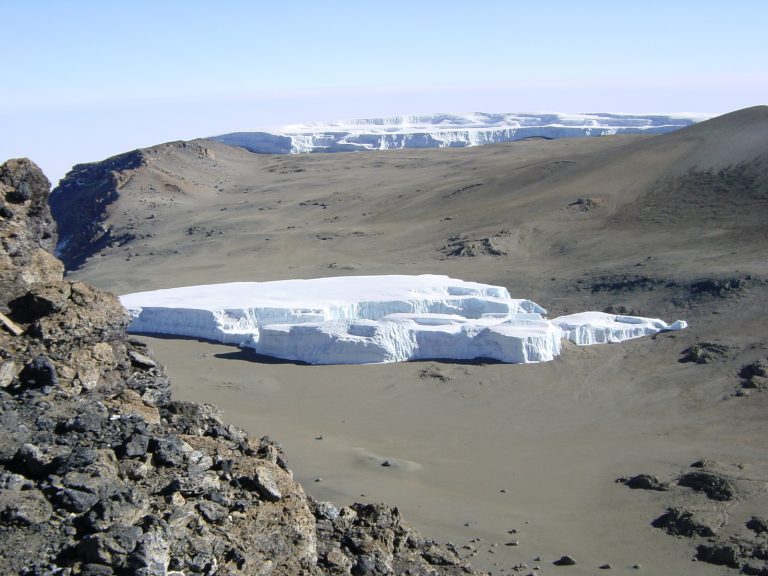

7 Day Mount Kilimanjaro Hike, Umbwe Route
by Insight Safari Holidays Verified operator
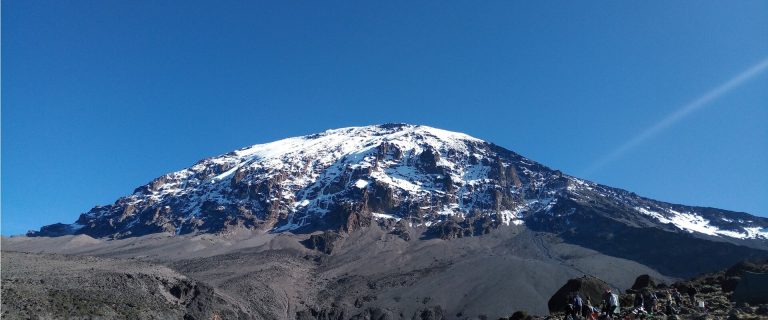

7 Days Mount Kilimanjaro Trekking Tanzania
by Wild Whispers Africa Verified operator

8 Day Climbing Mount Kilimanjaro, Lemosho Route
by Insight Safari Holidays Verified operator

7 Day Mt. Kilimanjaro Trek, Marangu Route
by Insight Safari Holidays Verified operator
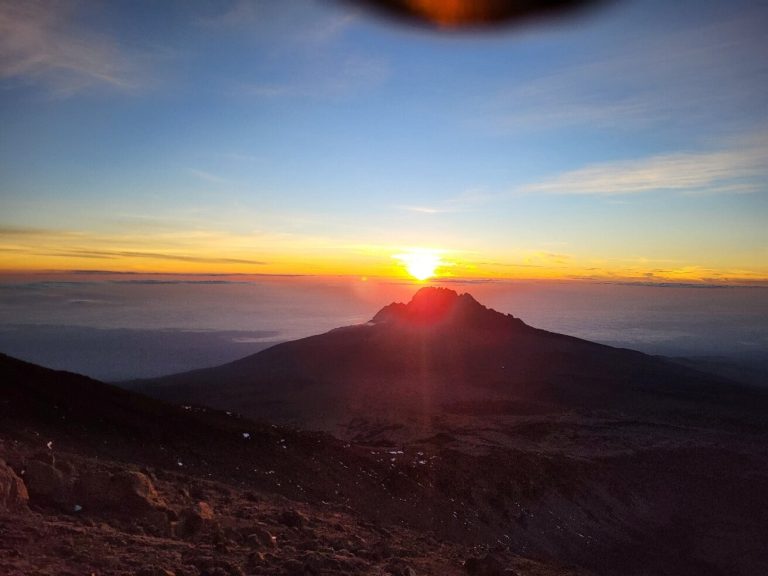
8 Day Mount Kilimanjaro Safari, Rongai Route
by Insight Safari Holidays Verified operator
Climbing Mount Kilimanjaro Guide in Tanzania
Climbing Mount Kilimanjaro: Why Altitude Decides the Trek
A Kilimanjaro trek is a long uphill walk on paths and scree. Nobody needs crampons, an ice axe or rope skills on the standard routes, and plenty of first time hikers reach the rim. The difficulty sits in the air. At the summit each breath carries roughly half the oxygen it would at sea level, and the body needs days to adjust to that.
Acute mountain sickness is what happens when you climb faster than your body can keep up. Headache and nausea are the usual signs, often with poor sleep and no appetite, and they are common on this mountain. Most cases ease when you stop gaining height. A small share go further, into fluid on the lungs (high altitude pulmonary oedema) or swelling of the brain (high altitude cerebral oedema). Both are emergencies, and the treatment for both is to go down at once.
Fitness helps you enjoy the walk. It does very little to protect you from the altitude. Strong runners turn back on summit night while slower walkers keep going, because the deciding factor is how your body handles thin air and how many nights the itinerary gives it to adjust. In the largest prospective study of Kilimanjaro hikers, published in the Journal of Travel Medicine, self rated physical condition and specific training showed no link with reaching the summit. Climbing over more days did.
Two habits do the real work on the mountain. The first is walking slowly, which guides enforce with the Swahili phrase pole pole, slowly slowly. Fit hikers often find the pace frustrating on the first two days, and trip reports return to this again and again: the guides hold everyone back until summit night. Let them.
The second is climbing higher during the day and dropping to sleep lower, a pattern built into the better itineraries. In that same study, hikers who climbed higher in daytime reached the summit 90.4 per cent of the time against 82.3 per cent for those who did not.
Arriving already acclimatised helps more than any amount of gym work. Some climbers spend time high first, on Mount Meru in Arusha National Park or on a safari that includes nights on the Ngorongoro highlands. Acetazolamide (Diamox) is widely used, and the Kilimanjaro cohort linked it with a better chance of reaching the top. It remains a prescription decision for your own doctor, who knows your history.
Here is the fact that cuts against the "just add days" message. In the Journal of Travel Medicine cohort, more days, daytime climbing and acetazolamide all improved the chance of standing on Uhuru Peak, yet none of them reduced how often severe altitude symptoms appeared. A longer climb gives you a better chance at the top. It does not promise a comfortable week, so watch for symptoms on every itinerary, even one that looks gentle on paper.
Kilimanjaro Trekking Routes Compared at Overview Depth
Seven trekking routes climb Kilimanjaro, and they differ in five ways that matter: how many nights you sleep high, whether the profile lets you climb high and sleep low, which side of the mountain you start from, whether you sleep in huts or tents, and how busy the path is. Everything else is detail, and the separate route guides cover the detail.
Marangu climbs the south eastern flank from the park headquarters and comes back down the same way. It is the only route with huts, at Mandara, Horombo and Kibo, which suits travellers who want a roof and a bunk, or who are climbing in the rains. It is also the route with the weakest measured summit figures on short itineraries, so the six day version is the one to book.
Machame starts on the south western side close to Moshi, passes through thick forest and crosses the southern flank under the glaciers, past Lava Tower and up the Barranco Wall. Its profile is good for acclimatisation and its path is the busiest on the mountain. Lemosho starts far to the west at Londorossi, spends two quiet days in forest and on the Shira Plateau, then joins the Machame line for the southern traverse. Those extra days are the point of it.
The Northern Circuit begins like Lemosho, then swings round the empty northern slopes, which makes it the longest itinerary on the mountain. Rongai is the only trail that climbs from the north east, near the Kenyan border, on the mountain's drier side and at a steady gradient. Umbwe runs straight up a steep forest ridge in the south and reaches the alpine zone in two days, which suits only climbers who are already acclimatised. Shira starts by vehicle high on the western plateau, so you sleep above 3,500 metres on the first night with no gradual build up.
Two more names turn up on itineraries. The Western Breach is a steep summit line through a gap in Kibo's crater wall. TANAPA closed the Arrow Glacier section that leads to it by public notice after rockfall, and no reopening notice has appeared since, so ask any operator offering it for the park's current written position. Crater Camp is an extra night inside the summit caldera, added to a long itinerary for strongly acclimatised climbers. Neither is a route in its own right.
The route comparison below sets the routes side by side by sleeping style, usual length and starting point, with what each one means for your climb.
Kilimanjaro Route Comparison
Kilimanjaro's trekking routes side by side, with how you sleep, the usual number of days, where each starts and what it means for your climb.
| Route | Sleeping | Usual length | Starts from | What it means for you |
|---|---|---|---|---|
| 01MaranguUp and down the same south-eastern line | Huts at Mandara, Horombo, Kibo | 5–6 days (median 6 in the largest cohort) | Marangu Gate, south-east, park headquarters | A roof and bunks every night; take the six day version, as short Marangu climbs have the weakest measured summit rates |
| 02MachameSouth-west, joins the southern traverse | Tents at designated camps | 6–7 days (median 7) | Machame Gate, south-west, close to Moshi | A good climb high, sleep low profile on a busy path; book seven days rather than six |
| 03LemoshoWest, across the Shira Plateau | Tents at designated camps | 7–8 days (median 8) | Londorossi Gate, far west, long drive in | Two quiet forest and plateau days before it meets the Machame traffic; the extra nights help acclimatisation |
| 04Northern CircuitWest, then round the northern slopes | Tents at designated camps | 8–9 days | Londorossi Gate, far west | The longest itinerary and the most nights high; needs the biggest block of holiday |
| 05RongaiNorth-east, near the Kenyan border | Tents at designated camps | 6–7 days (median 7) | Rongai Gate, north-east, long drive round | The drier side of the mountain and a steady gradient; the first tented route to look at in the rains |
| 06ShiraStarts high on the western plateau | Tents at designated camps | 6–7 days | Shira Plateau by vehicle, above 3,500 m | You sleep above 3,500 m on night one with no gradual build; Lemosho covers the same ground more gently |
| 07UmbweSouth, steep forest ridge | Tents at designated camps | 5–6 days | Umbwe Gate, south, about an hour from Moshi | Reaches the alpine zone in two hard days; sensible only if you are already acclimatised |
| 08Western BreachA summit line, not a full route | Tents | Added to a western route | Arrow Glacier, west side of Kibo | Closed Closed by a TANAPA public notice after rockfall; ask the operator for the park's current written position |
Last checked November 2026. Day ranges are typical operator lengths; medians come from a prospective cohort of 1,237 Kilimanjaro hikers (Croughs and colleagues, Journal of Travel Medicine). Seasons follow the TANAPA Kilimanjaro brochure. Summit day is never guaranteed on any route. Sources: Tanzania National Parks, Journal of Travel Medicine, Wilderness and Environmental Medicine.
How Many Days a Kilimanjaro Climb Should Take
TANAPA's own brochure gives five to nine days to reach Kibo depending on the route, and adds that more days raise the chance of reaching the summit. The research agrees. A study of trekkers on short Marangu itineraries, published in Wilderness and Environmental Medicine, found that 111 of 181 people (61 per cent) reached the top and 77 per cent developed acute mountain sickness.
So treat the short options as false economy. A five day Marangu or Umbwe climb saves a day of holiday and costs you a large slice of your chance at Uhuru Peak. Seven or eight days on Machame, Lemosho or Rongai, or eight to nine on the Northern Circuit, gives the body the nights it needs.
Count the nights off the mountain as well. Most operators want you in Moshi or Arusha the night before the gate for a briefing and kit check, and you will want a bed and a shower the night you come down. Add a spare night in case an international flight runs late. So a seven day climb fills nine or ten nights in Tanzania before any safari or beach time goes on the end.
Summit Odds on Kilimanjaro Climbs: What Has Been Measured
Route pages across the web quote summit rates of 85 to 95 per cent and rarely say where the number came from. Treat those as sales figures. The measured numbers are fewer, and more useful.
The biggest dataset is the prospective cohort of 1,237 recreational hikers followed by Croughs and colleagues and published in the Journal of Travel Medicine. In that group 87.9 per cent reached Uhuru Peak and 91.7 per cent got at least as far as Gilman's Point on the crater rim. Severe altitude symptoms affected 8.6 per cent, and 1.1 per cent ended up in hospital.
The median itinerary was six days on Marangu, seven on Machame and Rongai, eight on Lemosho and nine on the Londorossi line. The authors found that the route itself did not predict severe illness once the number of days was taken into account. Days did the work.
Older data from short itineraries looks much worse: the 61 per cent figure from the Marangu study above, for example. Read together, these say that a well paced itinerary of seven days or more puts most climbers on the summit, and a rushed one puts far fewer there.
One detail catches people out. Gilman's Point and Stella Point are where the trails reach the crater rim, and Uhuru Peak lies further round the rim. Certificates and operator statistics sometimes count the rim as a summit. Agree with your guide before summit night which point you are aiming for, and accept the turn around call if it comes, because altitude illness only gets worse with height.
Best Months for Climbing Kilimanjaro
The two dry windows give the best climbing conditions on Kilimanjaro. TANAPA describes the dry season as late June to September and December to early March, with cool nights and clear days. The long rains run from March to May, when it rains around the base and snow builds on the peak, and the short rains fall in October and November.
| Months | Season | On the trail | Crowds |
|---|---|---|---|
| January, February | Dry | Clear, milder | Moderate |
| March to May | Long rains | Wet, snow high | Quiet |
| June | Dry from late | Clearing, cold | Rising |
| July to September | Dry | Clear, coldest | Busiest |
| October, November | Short rains | Showers, cloud | Quieter |
| December | Dry from mid | Variable | Busy at holidays |
July to September is the most popular period on the mountain: settled and clear, and very cold at night, with the most groups on Machame and Marangu. January and February are a little warmer on summit night and quieter. Pack for freezing temperatures in either window, because summit night drops well below zero in every month.
Climbing in the rains is possible, and some people choose it for the empty trails. Expect wet forest, cloud on the views and snow on the upper slopes.
Two choices help. Rongai, on the northern side, sits in the mountain's rain shadow, and Marangu's huts spare you a wet tent each morning. The shoulder months need care: a mid October climb sold as "before the rains" may already be inside them. The wider Tanzania picture is in the best time to visit Tanzania guide.
Summit Night and Daily Life on a Kilimanjaro Trek
Most days on a Kilimanjaro hike follow the same rhythm. You wake to a crew member at the tent with hot water for washing and a hot drink, eat breakfast in a mess tent, and walk for four to seven hours at the guide's pace. Porters carry the tents, food, water and your duffel bag, and they overtake you on the trail with loads on their heads and shoulders, so your own daypack holds only water, a warm layer, waterproofs, snacks and sun cream.
Camp is usually reached by early afternoon. The guide checks your pulse and blood oxygen, you eat again, and the evening is long. Several trip reports mention how slowly the afternoons pass, so take a book or a downloaded podcast.
The vegetation changes with height. TANAPA counts five zones on the way up: cultivated lower slopes, a montane forest belt from about 1,800 to 2,800 metres where black and white colobus and blue monkeys live, heath and moorland with giant groundsels and lobelias, alpine desert, and the arctic summit zone with its glaciers. A week on the mountain runs through all of them.
Food is plain and plentiful: porridge and eggs in the morning, soup with rice or pasta at night, cooked fresh at each camp. Appetite fades with altitude, and eating anyway is part of the job. Toilets at the designated campsites are basic long drops. Many operators offer a private portable toilet tent for an extra charge, and plenty of climbers think it worth paying for.
Summit night is the part everybody remembers.
One thing the brochures leave out: on the final morning many crews hold a short song and dance at the gate or last camp before tips are handed over. Some climbers find it awkward. It helps to know in advance how your operator expects tips to be divided and paid, so the moment is simple.
Training and Packing for a Kilimanjaro Climb
You need to be able to walk five to seven hours a day for a week on uneven ground, and then do the hardest day of all on almost no sleep. Long weekend hikes with a light pack, building over two or three months, are the most useful Kilimanjaro training. Include long downhill sections, because the descent is fast and hard on the legs. Stair climbing and hill walking beat gym sessions for this.
Break in your boots before the trip; blisters are the most common avoidable misery on the mountain. Layers matter more than any single garment, since you start in warm forest and finish in temperatures well below freezing.
Moshi has hire shops for sleeping bags and down jackets if you would rather not fly with them. Check the condition before you set off. Several climbers report bringing spare gloves, jackets or microspikes to give to guides and porters at the end, and asking the operator first how to hand them over fairly.
Phone signal on the mountain comes and goes. Do not plan on it for anything that matters, and tell people at home that you may be out of contact for a few days.
Park Rules, Guides and Choosing a Kilimanjaro Trekking Operator
You cannot climb Kilimanjaro alone. Park regulations require every climbing group to have a registered guide, and the park deals only with licensed operators, so the operator you choose carries your safety. Climbers register at the gate, must enter and leave by the gates named on the permit, and may camp only at designated sites. Children under 10 may not climb above 3,700 metres, which puts the summit out of reach for them but leaves the forest trails open.
Ask an operator specific questions and judge the answers.
How many nights on the mountain, and at what altitude is each one? Are pulse and oxygen readings taken twice a day and written down? Is emergency oxygen carried, and what is the plan for getting a sick climber down from the highest camp? How many porters, carrying what weight, and who supplies their jackets and boots? An operator who answers these clearly is telling you something about how the climb will run.
Porter welfare belongs in that conversation. The park limits porter loads to 25 kg including their own kit. The Kilimanjaro Porters Assistance Project, based in Moshi, monitors partner companies on loads and wages, along with food, shelter, gear and tip distribution, and membership is a useful signal to look for. Very cheap climbs usually cut somewhere, and the crew is often where.
Insurance needs a careful read. Many travel policies stop well below 5,895 metres, so check for explicit trekking cover to that height, helicopter evacuation and medical treatment in Tanzania. Park rescue means first aid and radio, then being walked or carried down; helicopter flights on the mountain are run by private companies. The Kilimanjaro planning guide sets out the regulations and health questions in full, and the Mount Kilimanjaro destination guide covers the park and its lower slopes.
Getting to Kilimanjaro and Adding a Safari or Zanzibar Trip
Kilimanjaro International Airport, between Moshi and Arusha, is the usual arrival point. Most climbers stay in Moshi, the closer town to the southern gates; Marangu Gate lies 41 km from Moshi and 86 km from the airport. Arusha suits climbers starting a safari straight afterwards. Entry rules and visas are in the Tanzania travel requirements guide, and transfers in getting around Tanzania.
Many climbers add a safari in the Serengeti and Ngorongoro, or a few days on Zanzibar. Climbing first protects the mountain dates if a flight runs late, and a safari is restful on tired legs. Safari first can give some time at altitude on the crater highlands before the climb. For a first trip, put the climb first and the beach last.
Frequently Asked Questions About Climbing Mount Kilimanjaro
How hard is climbing Mount Kilimanjaro?
The walking is steady and non technical on the standard routes, and most days run four to seven hours. Summit night is the hard part: several hours uphill in the dark and cold at very high altitude. Altitude, rather than fitness, is the main reason people turn back.
How much does it cost to climb Kilimanjaro?
The fixed part is the park fee, which TANAPA charges per day and per night. For a non resident adult the conservation fee is US$70 per day, camping is US$50 per night on the tented routes and huts on Marangu are US$60 per night, plus a US$20 rescue fee per trip, with 18 per cent VAT added on top. On a seven day tented climb that comes to about US$810 in park fees before VAT, or roughly US$955 with it. Every operator pays the same fees, so differences between quotes come from crew numbers and wages, equipment, food and hotel nights. Crew tips and gear hire come on top, as do flights, visa and insurance; ask each operator what its quote includes and what tipping it expects.
Which Kilimanjaro route is best for beginners?
A route with seven or more days and a climb high, sleep low profile: Machame over seven days, Lemosho over eight, or Rongai over seven if you are climbing near the rains. Marangu suits beginners who want huts, as long as it runs over six days rather than five.
How many climbers reach the summit of Kilimanjaro?
In the largest measured cohort, 87.9 per cent of 1,237 hikers reached Uhuru Peak. Older studies of short Marangu itineraries found about 61 per cent. Longer itineraries and climbing higher by day both improved the odds.
Can I climb Kilimanjaro without a guide?
Park regulations rule that out: they require a registered guide for every group, and climbs must be arranged through a licensed operator. You register at the gate on the way in.
Is there an age limit for a Kilimanjaro trek?
Children under 10 are not allowed above 3,700 metres, so the summit starts at age 10. There is no upper age limit; climbers in their eighties have reached Uhuru Peak. Anyone with a heart or lung condition should see a doctor before booking.
Do I need special insurance to climb Kilimanjaro?
Standard travel cover is rarely enough. Check that the policy names trekking to at least 5,895 metres, covers helicopter evacuation and medical treatment in Tanzania, and includes cancellation, since park fees are non refundable once paid.
Who first climbed Kilimanjaro?
Hans Meyer and Ludwig Purtscheller reached the summit on 6 October 1889, guided by local Chagga men including Yohani Lauwo.
Tanzania Safari.travel is a marketplace for safaris and climbs run by independent Tanzanian operators. The Kilimanjaro climb listings let you compare routes, itinerary lengths and what each package includes side by side, and your enquiry goes straight to the operator, with no booking fee added. Put the questions above about days, porters and evacuation to two or three of them, and compare how clearly they answer.