
Tanzania Walking Safaris
Wildlife viewing on foot with an armed ranger and a guide, at a pace that takes in tracks, plants and smaller species as well as game. Nyerere and Ruaha are the strongest parks for it.
You can take a walking safari in Tanzania in about a dozen national parks and in the Ngorongoro highlands, always with a guide and, inside the parks, an armed ranger. Nyerere and Ruaha in the south are the strongest walking parks. Tarangire, Arusha National Park and parts of the Serengeti suit a short walk on a northern trip, and the Ngorongoro highlands suit treks of several days. Children under 12 cannot join a national park walk.
Safaris That Include Walking Safaris
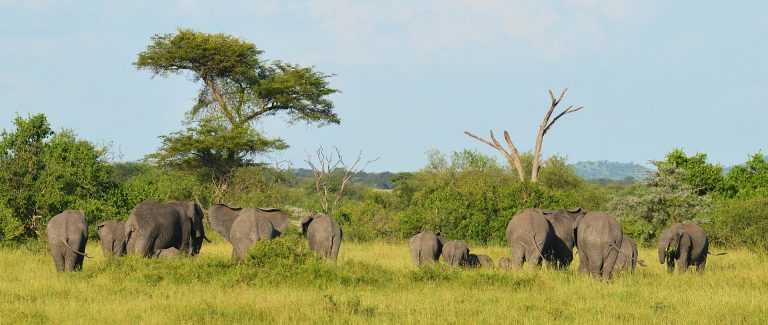

12 Day Safari in Tanzania Expedition
by Insight Safari Holidays Verified operator
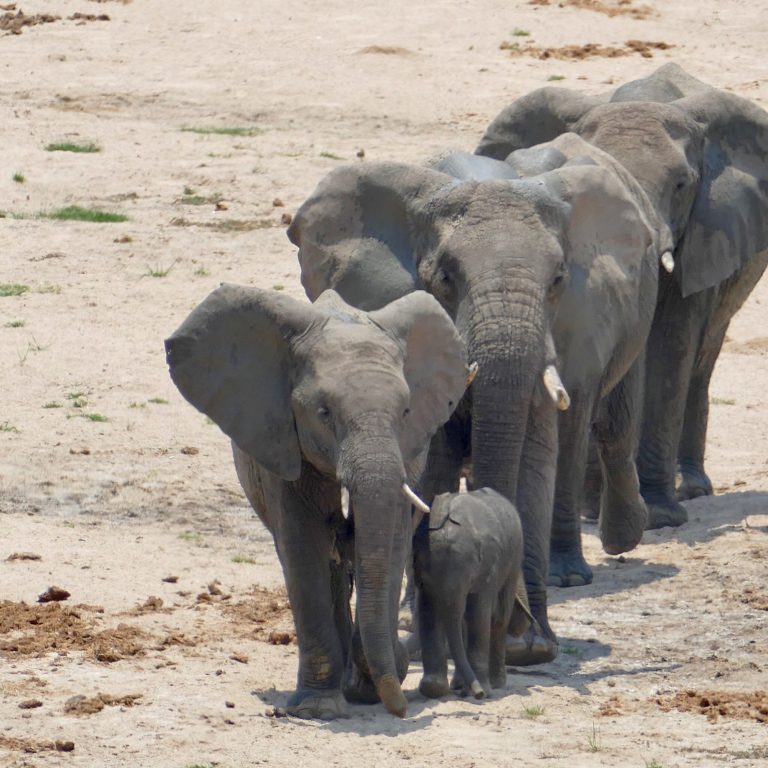

Southern Tanzania Wild Luxury
by Ancient Africa Safaris Verified operator
From $7,100 per person
View Safari

8 Days Luxury Tanzania Safari | Premium Wildlife & Migration Experience
by Kori Safaris Verified operator

14 Days Tanzania Grand Safari | North, South TZ & Zanzibar
by Kori Safaris Verified operator
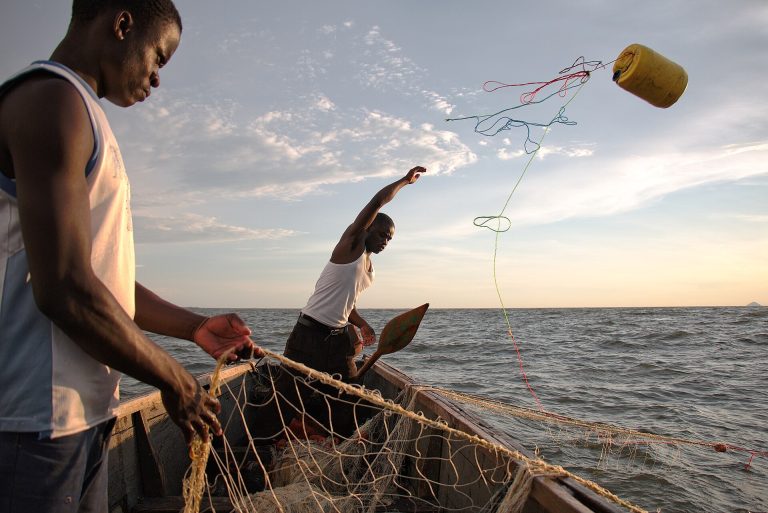
8 Day Fishing Package Tanzania
by Insight Safari Holidays Verified operator
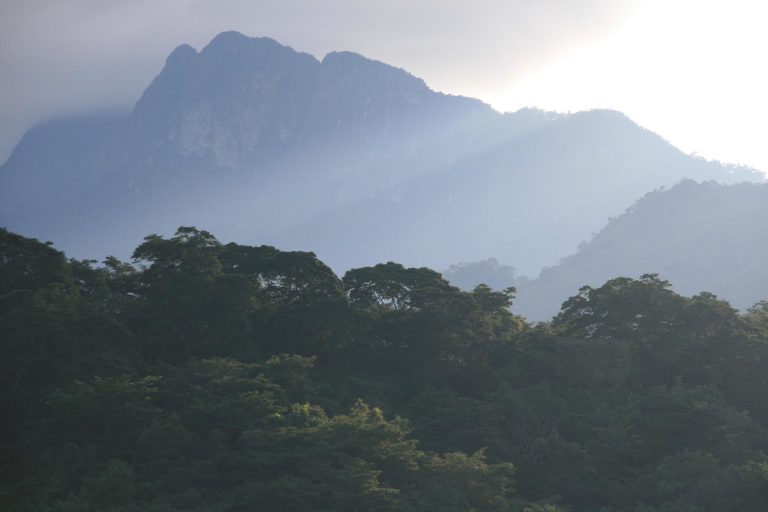

14 Days Southern Tanzania Safari & Zanzibar Beach
by Oree Safaris Verified operator
See all 16 safaris that include walking safaris
Walking Safaris Guide in Tanzania
Tanzania Walking Safari Areas
The parks and conservation areas where guided walks run, the walks each one offers and the best months to go.
| Area | Walks offered | Best months | What it means for you |
|---|---|---|---|
| 01Nyerere National ParkTANAPA, southern circuit | Morning walks from camps and multi day fly camp walks near the Rufiji River | June–OctoberSome camps close April–May | The classic Tanzanian walking park; most visitors fly in from Dar es Salaam or Zanzibar |
| 02Ruaha National ParkTANAPA, southern circuit | Morning walks along dry sand rivers and fly camping from walking camps | June–October | Not every Ruaha camp walks, so choose the camp for its walking programme |
| 03Mikumi National ParkTANAPA, southern circuit | Short guided walks arranged with the park | June–October | The southern park closest to Dar es Salaam by road, good for a short first walk |
| 04Udzungwa Mountains National ParkTANAPA, southern circuit | Forest trails, from waterfall walks to full day mountain hikes | June–October | Walking is the way to see this park; there are no game drive circuits |
| 05Katavi National ParkTANAPA, western Tanzania | Guided walks and fly camping from the park's few camps | June–October | Reached by light aircraft in practice; plan at least three nights |
| 06Rubondo Island National ParkTANAPA, Lake Victoria | Nature walks from an hour to several days, with beach fly camps | June–October | Island forest walking with very few other visitors |
| 07Saadani National ParkTANAPA, coast | Guided walks alongside game drives and river trips | June–October | A walk you can pair with a beach stay on the mainland coast |
| 08Serengeti National ParkTANAPA, northern circuit | Short walks in permitted areas and multi day walks in wilderness zones with licensed walking camps | June–October | Walking is not on offer at most Serengeti lodges; book a camp that holds the walking permit |
| 09Tarangire National ParkTANAPA, northern circuit | Short walks with an armed ranger inside the park and on community land outside it | June–October | The easiest place to add one walk to a standard northern safari |
| 10Lake Manyara National ParkTANAPA, northern circuit | Walks by prior arrangement, including a forest hike in the south of the park | June–October | Arrange it before you arrive; it is not a walk up activity |
| 11Arusha National ParkTANAPA, northern circuit | Walks to Tululusia waterfall, the Momella Lakes and the Meru foothills | All yearWettest April–May | The gentlest first walk: buffalo, giraffe and colobus, and no lions |
| 12Mkomazi National ParkTANAPA, north east | Walking safaris and hill hikes | June–October | Quiet dry country between Kilimanjaro and the coast |
| 13Ngorongoro Crater rimNCAA, conservation area | Rim walks with an NCAA ranger; the crater floor is for vehicles only | June–October, December–February | A rim walk fits around a crater game drive day |
| 14Empakaai and Olmoti cratersNCAA, highlands | A steep descent to the Empakaai crater lake and the Olmoti climb, with an armed ranger | June–October, December–February | Half a day each; the Empakaai path is steep in both directions |
| 15Highlands trek to Lake NatronNCAA and community land | Two to five day treks with Maasai guides, donkeys carrying the camp | June–October, December–February | Walking for scenery and Maasai country rather than for big game |
| 16Lake Natron and Engare SeroCommunity land, outside the parks | About two hours to the Engare Sero waterfall, flamingo shore walks and the overnight Ol Doinyo Lengai climb | June–October, December–February | Hot and exposed; walk early with local guides and carry plenty of water |
Walk length: short walk = 1 to 4 hours, the TANAPA short walk band; full day hike = a guided trail of most of a day; multi day = walking between camps. TANAPA = Tanzania National Parks; NCAA = Ngorongoro Conservation Area Authority. Every walk needs prior arrangement. Wildlife sightings are never guaranteed.
Last checked November 2026. Sources: TANAPA park activity lists and tariff, NCAA activity information, camp seasonality sheets and published trip reports.
Who Allows Walking Safaris in Tanzania
Three kinds of authority decide whether a walking safari can happen, and knowing which one controls a place tells you most of what to expect there.
Inside the national parks, TANAPA sets the rules. It lists guided walking among the activities in most of its parks, charges a walking fee on top of the daily conservation fee, and expects an armed park ranger to go with the group. Walks follow routes the park has approved, and they need to be arranged in advance through a lodge, a licensed walking camp or the park gate. All the national parks in the table above, from Nyerere to Arusha, fall under TANAPA.
The Ngorongoro Conservation Area is different. It is not a national park, it has people living in it, and its own authority, the NCAA, charges its own walking fee and supplies its own rangers. Walking on the crater floor is not allowed. Walking on the rim and across the highlands to the north is, and that is where the Maasai guides come in.
Outside every protected area lies community land: wildlife management areas and private concessions on the fringes of the parks. Rules there are set by the village or the concession holder, so walks can run longer, start later or include a night walk that a park would refuse. The trade is that big game is thinner on the ground.
Two practical points follow. A walk is never something you add on the morning; the ranger has to be booked. And the camp matters more than the park, because two lodges in the same park can offer completely different walking, from a stroll near the tents to a full programme led by a specialist guide.
Southern Walking Safaris in Nyerere, Ruaha and Udzungwa
Southern Tanzania is where the country's walking reputation comes from, and a southern walking safari is the one to pick if walking is the point of the trip rather than a side activity.
Nyerere National Park, the former northern section of the Selous Game Reserve, is the classic choice. Walks here follow the channels and lakes of the Rufiji River through borassus palm and open woodland, and several camps run fly camps an hour or two away on foot, so you can spend one or two nights out in a mesh tent before walking back. Wild dog den in the park, and tracking them on foot is a real possibility in the dry months.
TANAPA charges a higher guide fee in Nyerere than in most parks, which tells you how central guided activity is to the place. Most visitors fly in from Dar es Salaam or Zanzibar. Expect several of the camps to close for the long rains in April and May.
Ruaha National Park walks are different in feel: dry sand rivers between baobab hills, with a very high density of elephant. That last point is why some Ruaha camps choose not to walk at all, while a handful of others build their whole programme around it. A typical Ruaha morning on foot follows a sand river such as the Mwagusi, where elephants dig for water through the riverbed in the heat of the day and a high bank gives a safe place to watch them. Ruaha has also run specialist walking training for its rangers, covering rifle handling, first aid and how to move near elephant on foot. Look at the camp, not just the park name, before you book.
Two smaller southern parks round out the picture. Mikumi, the closest of the southern parks to Dar es Salaam by road, offers short guided walks that suit a first try. Udzungwa Mountains National Park has no game drive network at all, so hiking is how you see it: forest trails to the Sanje waterfall, longer routes up into the montane forest, and endemic primates such as the Udzungwa red colobus along the way.
Katavi and Rubondo Walking Safaris in the West
A walking safari in Katavi National Park is as remote as Tanzania gets: about 4,500 square kilometres in the far west near Lake Tanganyika, reached in practice by light aircraft on a few flights a week. By the late dry season the Katuma River is the last water for miles, and buffalo, lion and packed hippo pools share the same floodplains. The few camps walk and fly camp. Allow at least three nights.
Rubondo Island, in Lake Victoria, offers forest walks from an hour to several days with beach fly camps. On the coast, Saadani pairs guided walks with a beach stay.
Northern Walking Safaris in the Serengeti, Tarangire, Manyara and Arusha
Plenty of people assume the northern circuit is drive only. It is not, although a northern walking safari works differently from the southern kind: walks are shorter, the areas are defined, and you usually fit one or two mornings on foot into a trip built around game drives.
Serengeti National Park lists walking safaris among its activities, but you cannot simply step out of a vehicle on the main circuits around Seronera. Walking happens in permitted areas near some camps and, for longer trips, in the designated wilderness zones, where licensed walking camps lead small groups with an armed ranger on routes that have no roads and no other vehicles. A few camps carry the walking permit; most lodges do not, so the camp choice decides the matter. The Serengeti's private and community concessions on the park edges also run walks, often with fewer restrictions on timing.
Tarangire National Park is the simplest place to add a walk to a standard northern itinerary. TANAPA lists walking safaris there with an armed ranger, and several lodges on the community land just outside the park boundary run their own walks among the baobabs and dry river beds. Tsetse flies are common in parts of Tarangire, which has a direct bearing on what you wear.
At Lake Manyara National Park, walks run by prior arrangement with the park, including a longer forest hike in the south. Book it before you travel.
Arusha National Park is the gentlest walking in the north and the best first walk of a trip. Walks start from the park gates with an armed ranger, which TANAPA requires for any walk in the park, and lead to the Tululusia waterfall, along the Momella Lakes or up the lower slopes of Mount Meru. Buffalo, giraffe, elephant, bushbuck and black and white colobus are all here; lions are not. That single fact changes how a walk feels. Leopard live in the park but are rarely seen, which is why the ranger still carries a rifle.
Further east, Mkomazi National Park offers walking and hill hikes in dry, quiet country between Kilimanjaro and the coast.
Ngorongoro Highlands and Lake Natron Walking Trips
For scenery and Maasai country rather than big game, a Ngorongoro highlands walking trip beats anything on the northern circuit. The NCAA allows guided walks on the crater rim and across the highlands, always with an NCAA ranger, and many walks also take a Maasai guide who knows the cattle paths. The crater floor itself stays vehicle only.
The short options sit on and near the rim. Rim walks run from the lodges and camps along the crest and fit around a crater game drive. Empakaai Crater, about an hour's drive north east of Ngorongoro, is the half day walk most people remember: a steep path drops roughly 300 metres through forest to a soda lake fringed with flamingos, then climbs straight back out. Trip reports describe fresh leopard and hyena tracks on the path and a long, slow climb at the end. Olmoti Crater, near the village of Nainokanoka, is a shorter climb to a grassy caldera and a small waterfall.
The long option is the highlands trek. Over two to five days, groups walk from the Ngorongoro rim through Olmoti and Empakaai, past Maasai bomas and grazing land, then drop down the Rift Valley escarpment to Lake Natron, with donkeys carrying the camp between nights. Some operators run versions that continue into the eastern Serengeti; at least one runs only between December and March and sets a minimum age of 16.
Lake Natron sits outside the parks, on community land, so walks there are led by local guides and paid for through village fees. A walk of about two hours up the Engare Sero gorge reaches a waterfall and natural pool, the flamingo shore walks cross baked mud flats, and the overnight climb of Ol Doinyo Lengai starts around midnight for a crater rim sunrise. The Lengai climb is steep and loose, and only for fit hikers with a head for heights. Natron is also hot and exposed, so every walk here should start early.
Short Bush Walks Versus Multi Day Walking Safaris
Most visitors take a short bush walk, and that is the right choice for most trips. TANAPA's tariff defines the short walk as one to four hours; in practice it is a two to three hour morning that covers a few kilometres with constant stops. You come back to camp for a late breakfast and are back in the vehicle in the afternoon.
A multi day walking safari is a different trip altogether. You walk from camp to camp, usually through the morning and resting in the midday heat, with the lightweight camp moved ahead of you by vehicle, porters or donkeys. Expedition style walks in the Serengeti wilderness zones and on the Ngorongoro to Natron route cover something like 13 to 24 kilometres a day; fly camp walks in Nyerere and Ruaha are shorter and usually return to a main camp after a night or two. Nights are simple: a mesh dome tent or bedroll under a net, a bucket shower and dinner by the fire.
The deciding question is whether you want walking to sit inside a game drive safari or to replace it. If you are unsure, take two short walks on the first trip.
Armed Rangers and Walking Guides on a Tanzania Safari
Every walking safari in a Tanzanian national park goes out with two people in charge, and they do different jobs.
The armed ranger is a park employee, issued by TANAPA or the NCAA, who carries a heavy calibre rifle and is responsible for the group's safety. He usually walks at the front, picks the line through the bush, watches the wind and decides how close is too close. Rifles are a last resort and are very rarely fired; the ranger's real value is in avoiding the situation where one would be needed.
The walking guide, employed by the camp or operator, does the talking, from tracks and dung to the alarm calls of birds and monkeys. In the highlands a Maasai guide often fills that role.
Groups are kept small, often six guests or fewer, so one ranger can manage everyone. Before every walk you get a briefing: single file, low voices, nobody in front of the ranger, and nobody runs. Ask how many walks the guide leads in a season. On a short walk in a busy park that number tells you more than any brochure line.
Age Limits and Fitness for Walking Safaris
Age is the rule that most often catches families out. TANAPA's walking tariff only has bands for adults and for children of 12 and above, so 12 is the effective minimum for a walking safari in the national parks. Many camps go further and set 16, and most multi day walks and specialist walking camps ask for 16 too. Under twelves are usually limited to short nature walks on community land or around a lodge, where the operator sets the rules; check before you book.
A short walk needs less fitness than people expect: two or three slow hours over uneven ground, and the patience to stand still when asked. Most adults, older travellers included, manage it.
Multi day walking is another matter. Long mornings on foot, several days running, with early starts and broken sleep in a fly camp, is tiring even at a slow pace, and the Empakaai climb and Ol Doinyo Lengai are hard by any standard. Tell the operator about bad knees or poor heat tolerance before booking.
Walking Safari Safety Around Big Game
Walking with dangerous animals sounds riskier than it is, because the whole format is built to avoid the one thing that causes trouble: surprising an animal at close range. Guides on a Tanzania walking safari walk into the wind so animals smell the group early, stay out of thick cover, and keep the group in a single tight line so it reads as one shape rather than several.
The animals that matter most on foot are buffalo, especially lone old bulls in long grass; elephant cows with calves; and hippo caught away from water on their way back at dawn. Lion are usually the first to move away. Guides who walk regularly will talk about each of these before you set off.
The rules you follow are short. Stay in line and behind the ranger. Keep talking to a whisper. If the ranger stops, you stop.
If an animal charges, do not run; running is the one reaction that turns a tense moment into an incident. Stand still and follow the instruction you are given.
There is a fact that cuts against the excitement, and it is worth knowing in advance: a walk shows you less big game than a game drive does, and the big animals you do see are watched at a distance through binoculars. Tracks and dung, termite mounds, birds and plants fill most of a good walk. People who expect lion at twenty paces come back disappointed; people who expect to learn how the bush works rarely do.
Best Season for a Walking Safari in Tanzania
The dry season from June to October is the best time for a walking safari almost everywhere in the country. Grass is short, so you see further and walk on firmer ground; animals gather near water, which concentrates tracks; and mornings are cool, especially in June and July.
In the southern and western parks the heat builds through September and October, and several camps close for the long rains in April and May, when grass grows too tall to walk safely.
The north has a second window. December to February, between the short and long rains, is a good time to walk in the Ngorongoro highlands and around Lake Natron, and some highland treks only run then. Arusha National Park can be walked all year, although April and May are the wettest months.
Green season walks, from November to May, are quieter, but long grass hides animals and keeps routes short.
Planning and Packing for a Tanzania Walking Safari
Ask for walking when you first enquire, not once the itinerary is fixed. The operator has to place you in a camp that holds the walking permit, and the park has to allocate a ranger.
Clothing matters more on foot than in a vehicle. Wear muted greens and browns so the group blends into the bush, and leave dark blue and black at home in tsetse areas, Tarangire and the southern parks among them, because those colours attract the flies.
Long trousers and long sleeves protect against thorns and sun. Closed walking shoes or light boots with grip are enough for a short walk; gaiters help in long grass. Carry more water than you think you need, plus sunscreen and repellent. Small binoculars earn their weight. Leave the big telephoto lens in the vehicle: walking photography is mostly close and wide.
The site's own walking safari guide goes deeper on tracking and what a guide reads on the ground. For camps that walk out to sleep in the bush, see the fly camping safaris, and for crater and waterfall walks see the day hiking trips. Timing by month across the whole country is covered in the best time to visit Tanzania.
Walking Safari Tanzania FAQ
Where can you do a walking safari in Tanzania?
In most national parks, including Nyerere, Ruaha, Katavi, Mikumi, Udzungwa, Tarangire, Lake Manyara, Arusha, Mkomazi, Saadani, Rubondo and permitted areas of the Serengeti, plus the Ngorongoro rim and highlands and the community land around Lake Natron and Tarangire. The crater floor at Ngorongoro is closed to walking.
How much does a walking safari in Tanzania cost?
Inside the national parks, TANAPA charges a walking fee on top of the daily conservation fee: US$20 per adult for a short walk of one to four hours and US$25 for a long walk of more than four hours, plus 18% VAT, which brings the short walk to US$23.60. Children of 12 and above pay US$10 and US$15 before VAT. The NCAA charges its own walking fee in the Ngorongoro highlands; its last full published schedule listed US$17.70 per person per day, while several recent sources quote US$23.60, so confirm the current figure with the operator. Many camps include walks in their rate, and some add their own activity charge.
Is a walking safari in Tanzania safe?
Yes, when it runs to the park rules. Groups are small, an armed ranger walks with every national park group, walks start early, and guides use the wind and open ground so that animals are never surprised at close range. The rule that matters most is not to run.
What is the minimum age for a walking safari?
Twelve in the national parks, because TANAPA's walking fee has no band below that age. Many camps and most multi day walks set 16. Younger children can usually join short nature walks on community land or around a lodge where the operator allows it.
Can you walk in the Serengeti?
Yes, but only in permitted areas and with camps that hold the walking permit, plus multi day walks in the designated wilderness zones. Most Serengeti lodges do not offer walks, and you cannot walk on the main game drive circuits.
Do I need to book a walk in advance?
Rangers are allocated by the park, so walks are arranged ahead through the camp or the operator. Asking on the day usually ends in a no.
Will I see the Big Five on foot?
You may see elephant, buffalo or lion, always at a distance the ranger judges safe, but a walk is not the way to tick off the Big Five. Pair walks with game drives for that. Sightings are never guaranteed.
What should I wear on a walking safari?
Muted green or khaki in long sleeves and trousers, with a brimmed hat and closed shoes that grip. Avoid white and bright colours, plus dark blue or black where tsetse flies are found.
Can I combine a walking safari with a normal game drive trip?
Easily. Add a morning walk in Arusha National Park at the start, one in Tarangire, and a rim or Empakaai walk in the Ngorongoro highlands, and you have three walks inside a standard northern circuit.
Walking works best when it is built into the trip from the start, so it helps to see it inside a full itinerary. Tanzania Safari.travel is a marketplace for safaris from independent tour operators: you can compare the safaris that include walking from the southern parks to the Ngorongoro highlands, then send your enquiry straight to the operator running the trip you like, with no booking fee added. Tell them how much walking you want and the ages in your group, so they can match you to a camp that walks.