If you land at Kilimanjaro International Airport with one spare day before a longer safari or a Kilimanjaro climb, Arusha National Park is the closest park to spend it in. The 552 km² park takes in Mount Meru, the Momella Lakes and Ngurdoto Crater about 32 km from Arusha town, and you can walk with an armed ranger and paddle a canoe on the same day. Expect giraffe and colobus, not lions.
The Story of Arusha: From Crater Reserve to Mountain Park
Arusha National Park began as Ngurdoto Crater National Park in 1960, and took its present name once the slopes and summit of Mount Meru were added. TANAPA records the area as a cattle ranch as early as 1907, before it was set aside for conservation. The park was extended again in 2005 and now covers 552 km², which makes it the smallest of the five parks in TANAPA’s Northern Zone, alongside Tarangire and Lake Manyara, with Kilimanjaro and Mkomazi completing the zone.
Three landscapes sit inside that small boundary. Ngurdoto Crater lies in the south east, the shallow alkaline Momella Lakes in the north east, and the Meru Crater in the west, with the mountain’s peak on its rim. Mount Meru is a dormant volcano, and part of its eastern wall collapsed thousands of years ago, which shaped the hills and lake basins visitors drive through today. TANAPA also describes the park as one of Tanzania’s few geoparks.
Altitude explains almost everything else. The park climbs from open grassland and acacia woodland through montane forest to heath and the bare ash cone near the summit, so a single game drive can pass through habitats that elsewhere in Tanzania sit in different parks.
Where Is Arusha National Park?
Arusha National Park lies in the Arusha Region of north eastern Tanzania, between Arusha town to the west and Kilimanjaro International Airport to the east. TANAPA puts the park about 32 km by road from Arusha and about 40 km from the airport. Mount Kilimanjaro rises around 60 km further east and forms the backdrop to the views from Ngurdoto’s rim on clear mornings.
The main entrance is Ngongongare Gate on the southern side. Momella Gate, deeper in the north east near the lakes, is where Mount Meru climbs start and where walking safaris are usually arranged. Do not confuse the park with Arusha town itself or with the wider Arusha Region, which also contains the Ngorongoro Conservation Area and parts of the Serengeti. A safari quote that says “Arusha” may simply mean the town where you sleep before driving west.
Pack a warm layer in any month. The park climbs from the lower glades to 4,566 m, and forest mornings run cool.
How Arusha Differs from Tarangire and Lake Manyara
Arusha is the northern circuit park you do on foot and by canoe, not the one you do for big cats. Tarangire and Lake Manyara charge the same conservation fee band on the TANAPA tariff, yet they deliver more elephants and predators from a vehicle. Arusha answers a different need: forest walking with a ranger plus mountain views, all under an hour’s drive from where most travellers land.
| Feature | Arusha NP | Tarangire NP | Lake Manyara NP |
|---|---|---|---|
| Size | 552 km² | Much larger | Medium |
| Lions | Not listed | Regular | Present |
| Main draw | Walks, Meru | Elephants | Lake, forest |
| Canoeing | Small Momella | No | Yes |
| Mountain climb | Mount Meru | No | No |
| Adult entry | USD 50 | USD 50 | USD 50 |
Those entry figures are the peak season non resident conservation fees on the current TANAPA tariff, before VAT. The table shows the trade plainly: the same daily fee buys a quieter, more active day in Arusha, and a bigger game count in Tarangire.
Why Travellers Choose Arusha for a Day Safari
Most travellers choose Arusha because it fits into an arrival day, a departure day or the gap before a Kilimanjaro climb, since the gate is under an hour from Arusha town. From Arusha town you can be at Ngongongare Gate within an hour, walk with a ranger in the morning, canoe after lunch and be back for dinner.
The second reason is the walking. Short walks of one to four hours and long walks of more than four hours both sit on the TANAPA tariff, and TANAPA lists six nature trails inside the park. Walking among giraffe and past grazing buffalo, with a ranger reading the ground ahead, changes how a first safari feels.
Kilimanjaro climbers use the park to test boots and legs at moderate altitude, and some climb Mount Meru first to acclimatise. Birders come for the forest species that are harder to find elsewhere on the tourist route, such as Narina trogon.
Is Arusha National Park Worth Visiting?
Arusha National Park is worth it for travellers who want walking and canoeing with colobus monkeys and mountain scenery within easy reach of Arusha, and for climbers with a day to spare. It is not worth a dedicated day for someone whose only goal is lions or the Great Migration, since the park has neither, and a half visit still pays a full 24 hour conservation fee. First time visitors on a tight schedule who want big game should put Tarangire first and treat Arusha as a bonus day.
Primates, Giraffes and Birds of Arusha
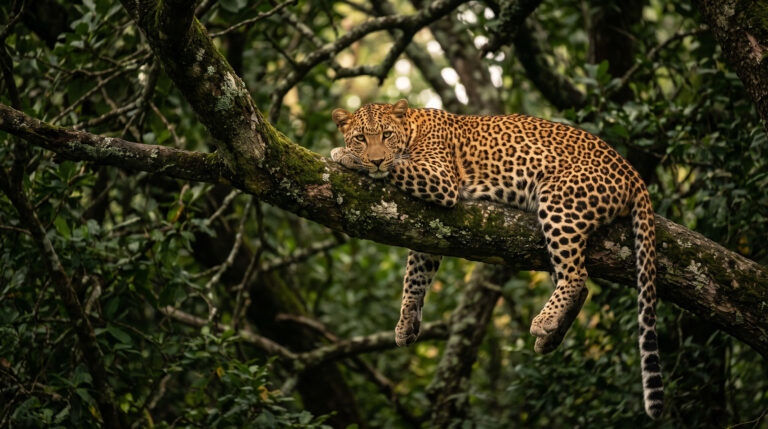
The park’s everyday wildlife is giraffe, buffalo, zebra, warthog, bushbuck, waterbuck and hippo, plus two forest monkeys, with elephants present in smaller numbers. Leopards live here but are rarely seen, and TANAPA’s wildlife lists do not include lions. Sightings are never guaranteed. Grazers, though, are easy to find in the open glades.
Black and White Colobus and Blue Monkeys
The black and white colobus monkey is the animal people remember from Arusha. Troops feed in the forest around Ngurdoto Crater, and TANAPA’s own brochure calls the Ngurdoto Forest home to the colobus. You often hear their deep, rattling calls before you see the long white tails in the canopy. Blue monkeys share the same forest and come lower, especially along the road from the main gate.
Giraffes, Buffalo and the Open Glades
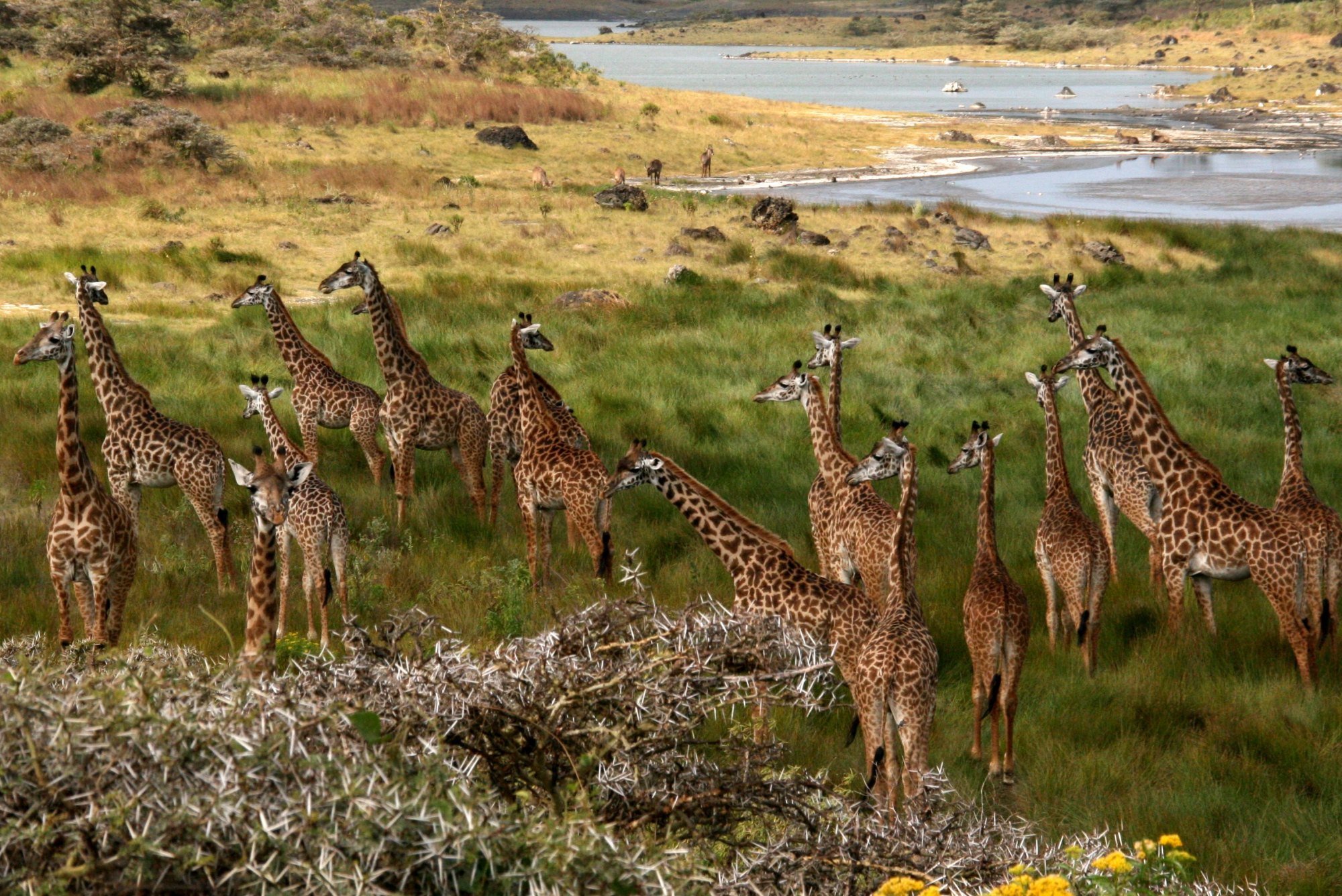
Giraffe are the park’s signature grazer, and TANAPA’s Northern Zone guide notes the park’s high giraffe density. Serengeti Ndogo, the “little Serengeti” glade, and the Buffalo Glade near Ngurdoto are where herds of buffalo, zebra, warthog and waterbuck gather. Buffalo are the reason walks need an armed ranger, since a lone bull in thick bush is the animal the rangers watch most closely.
Flamingos, Trogons and More Than 400 Bird Species
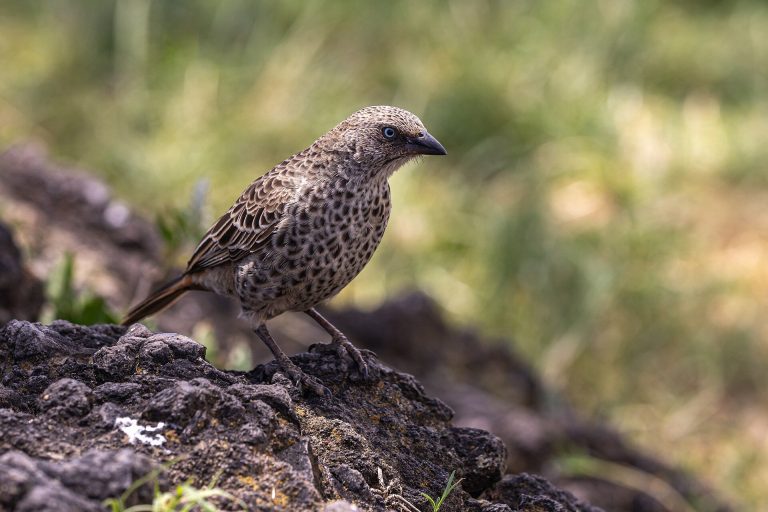
The park records more than 400 bird species across lake, forest and open grassland habitats. Lesser and greater flamingos feed on the Momella Lakes in numbers that rise and fall with water levels, so a pink shoreline is a possibility rather than a promise. The forest holds Narina trogon and bar tailed trogon, and red winged starlings nest at Tululusia Waterfall. Migrant species add to the list from about November to April.
Main Sights of Arusha National Park
The main sights of the park are Ngurdoto Crater, the Momella Lakes, Tululusia Hill and Waterfall, the Fig Tree Arch and the Meru Crater. All except the summit area can be reached on one day’s game drive circuit.
Ngurdoto Crater and Its Rim Viewpoints
Ngurdoto Crater is a volcanic caldera about 3 km across, often called a miniature Ngorongoro. Vehicles and visitors stay on the forested rim, and nobody drives down. The swampy floor belongs to the buffalo and warthog that graze it. TANAPA names five viewpoints on the rim, with Leitong the highest. From there, on a clear day, you see Kilimanjaro’s snow, the Momella Lakes and the farmed lower slopes in one sweep.
Momella Lakes and Lake Longil
The Momella Lakes are a chain of seven shallow lakes in the north east of the park, fed largely by underground streams. Each holds a different mix of minerals and algae, so the lakes show different colours side by side. Big Momella and Small Momella are the best known, and canoe trips run on Small Momella. Lake Longil is different again: TANAPA describes it as the park’s only freshwater lake, with tilapia and floating islands of papyrus that drift with the wind.
Tululusia Hill and Waterfall
Tululusia Waterfall drops about 28 m into a narrow gorge cut through soft volcanic soil, and it is a walking destination from Momella Gate rather than a roadside stop. The hill above it, whose name means “lookout point”, gives one of the widest views over the lower park towards Mount Meru, with Kilimanjaro beyond.
Fig Tree Arch and the Meru Crater
The Fig Tree Arch is a strangler fig whose roots have reached the ground on both sides of a track, leaving a gap wide enough for a safari vehicle to drive through. Higher up, the Meru Crater and its ash cone are seen from the climbing route; day visitors usually only glimpse the crater wall from the Momella side.
Arusha Park Tours and Safari Activities
The park offers game drives, walking safaris, canoe safaris, horse riding, cycling and the Mount Meru climb, which is more than most northern parks allow. Each activity beyond the game drive has its own TANAPA fee. That fee sits on top of the daily conservation fee.
Game Drive Safari around Momella and Ngurdoto
A game drive safari in Arusha usually loops from Ngongongare Gate through the forest to Ngurdoto’s rim, then north across Serengeti Ndogo to the Momella Lakes. TANAPA’s guidance is that the lakes and crater, with the forest between them, can all be seen in a half day outing. In practice, a full day lets you stop for colobus, picnic at the lakes and add a walk, and since the fee covers 24 hours either way, few people regret taking the longer version.
Walking Safari with an Armed Ranger
A walking safari here is led by an armed TANAPA ranger and booked as a short walk (one to four hours, USD 20 per adult) or a long walk (over four hours, USD 25 per adult). Children aged 12 and over may join at reduced rates. TANAPA’s six trails include Momella Gate to Tululusia Waterfall, the Ngurdoto Crater rim trail via Leitong and Buffalo Point, and Kitoto View Point to Njeku View Point. Travellers who can only fit one extra activity into the day most often pick the walk over the canoe trip, because standing on the ground near buffalo is the part nobody else on the circuit offers.
Canoe Safari on Small Momella Lake
The canoe safari runs on Small Momella Lake, one of the seven Momella Lakes, and costs USD 20 per adult for two hours on the TANAPA tariff. TANAPA lists Arusha based companies that operate the canoes, so book it through your safari operator in advance rather than at the gate. From the water you can watch hippo, waterbuck, giraffe on the shore and wading birds that keep their distance from vehicles.
Mount Meru Climbing Trek
The Mount Meru climb takes three to four days on the Momella route, and TANAPA recommends four days for acclimatisation. Climbers sleep the first night at Miriakamba (about 2,500 m, 96 beds), the second at Saddle Hut (112 beds), go for the 4,566 m summit before dawn, and return to Miriakamba for the third night. Every party needs a TANAPA ranger. Your operator arranges porters. Meru is steep, with exposed ridge sections near Rhino Point and the summit, so it suits fit walkers better than complete beginners.
Horse Riding and Cycling Tours
Horse riding and cycling tours are both permitted, each at USD 25 per person per day on the TANAPA tariff on top of conservation fees. Operators with their own horses arrange rides in advance. Riders must show they can handle a horse. Cycling covers the open glades in two to four hours and is a quieter way to see grazers than a vehicle.
Arusha National Park Day Fee Planner
Choose who is travelling, the season and the activities to see the TANAPA fees for one day in Arusha National Park, line by line.
Estimated TANAPA fees, including 18% VAT
USD 165.20
2 adults, non resident, peak season: USD 140 before VAT, about USD 82.60 per person with VAT.
| Fee | Rate | Subtotal |
|---|---|---|
| Conservation fee, adults | 2 x USD 50 | USD 100 |
| Short walking safari, adults | 2 x USD 20 | USD 40 |
Full TANAPA rates used by this planner (USD, before VAT)
| Fee | Non resident adult | Resident adult | Child 5 to 15 |
|---|---|---|---|
| Conservation fee, peak | 50 | 25 | 15 (resident 7.50) |
| Conservation fee, low | 45 | 22.50 | 15 (resident 7.50) |
| Short walk, 1 to 4 hours | 20 | 20 | 10 (aged 12+) |
| Long walk, over 4 hours | 25 | 25 | 15 (aged 12+) |
| Canoeing, 2 hours | 20 | 20 | 10 |
| Horse riding, per day | 25 | 25 | Adults only |
| Cycling, per day | 25 | 25 | Not listed |
| Guide, per group per day | 20 | 20 | Per group |
| Foreign vehicle up to 2,000 kg | 40 | 40 | Per vehicle |
Indicative. Last checked November 2026 against the latest published TANAPA tariff; TANAPA lists these fees before 18% VAT. Conservation fees cover 24 hours from entry. Children under 5 enter free. Walking safaris accept children from 12 years. Operator charges, transport, meals and tips are not included. Source: Tanzania National Parks, tanzaniaparks.go.tz.
Best Months for an Arusha Safari
The best months for a safari in Arusha National Park are June to September and December to early March, which is how TANAPA itself describes the park’s best periods. The short rains fall in October and November, and the heavy rains run from March to May.
June to September brings firmer trails and cool mornings, plus the best chance of clear views of Meru and Kilimanjaro, which matters more here than in most parks, since the mountains are half the reason to go. December to early March is warmer and greener, with migrant birds present. The long rains make forest trails slippery, wrap the summit in cloud and are the hardest time for a Meru climb, though the park stays open all year.
Fees move with the calendar too. TANAPA’s peak season for conservation fees runs from 16 May to 14 March, and the low season from 15 March to 15 May, when the adult non resident fee falls from USD 50 to USD 45. The cheaper weeks are also the wettest, so the saving comes with muddier walks.
Reaching Arusha National Park: Routes and Transfer Times
The park is reached by road from Arusha town or from Kilimanjaro International Airport, both under an hour from the gate. There are no scheduled flights into the park itself.
Flights into Kilimanjaro International Airport
Kilimanjaro International Airport (JRO) is the international gateway for the park, about 40 km away on TANAPA’s figures. Arusha Airport (ARK), on the western side of Arusha town, handles domestic and light aircraft flights. Most safari operators collect guests at JRO and can drive straight to the park on arrival day.
Road Transfer from Arusha Town
The drive from Arusha town to Ngongongare Gate covers about 32 km and takes roughly 40 minutes to an hour, depending on traffic leaving town. The route follows the main Moshi road east before turning north towards the park; the last section to Momella Gate and the lakes is a gravel park road.
Driving Your Own Vehicle into the Park
Self drive visitors pay a vehicle fee on top of their own conservation fees: USD 40 for a foreign registered vehicle up to 2,000 kg, or TZS 20,000 for a Tanzanian registered one, per TANAPA’s tariff. Walking safaris still need a ranger and a guide fee of USD 20 per group, so self drive saves less than it seems once the activities are added.
Arusha National Park Fees for Foreign and Resident Visitors
Arusha National Park charges a conservation fee of USD 50 per non resident adult per 24 hours in peak season and USD 45 in the low season, with children aged 5 to 15 at USD 15 and under fives free. TANAPA’s tariff lists fees before 18% VAT, so a peak season adult pays about USD 59 at the gate. You pay electronically through TANAPA’s online system, by card or mobile money. Carry a card. Cash is not taken.
| Fee | Adult (USD) | Child 5 to 15 (USD) | Charged per |
|---|---|---|---|
| Entry, peak | 50 | 15 | 24 hours |
| Entry, low | 45 | 15 | 24 hours |
| Short walk | 20 | 10 (12+) | Walk |
| Long walk | 25 | 15 (12+) | Walk |
| Canoeing | 20 | 10 | 2 hours |
| Horse riding | 25 | n/a | Day |
| Cycling | 25 | n/a | Day |
| Meru huts | 30 | 10 | Night |
The figures are non East African rates from the latest TANAPA tariff. Expatriates and Tanzania residents with a valid permit pay USD 25 in peak season and USD 22.50 in the low season, and East African citizens pay TZS 10,000 per adult. Guide fees are USD 20 per group, the Mount Meru ranger fee is USD 15 per group per day, the Meru rescue fee is USD 20 per person per trip, and the public campsites cost USD 30 per adult per night. Lodges inside the park add a concession fee of USD 40 per adult per night, and most build it into the lodge rate.
Ask any operator quoting an Arusha day trip whether these fees are inside the price. The tariff is revised periodically. Check the figures on tanzaniaparks.go.tz shortly before you travel.
Places to Stay for an Arusha Park Safari
Places to stay for a safari here fall into three groups: lodges inside the park near Momella, TANAPA’s own huts, rest house and campsites, and the many hotels in Arusha town and along the road towards the airport. Staying inside puts you on the lakes at dawn; staying in town saves money and suits a single day visit.
Lodges Inside the Park near Momella
Hatari Lodge sits inside the park boundary on a glade called the Momella meadow, about an hour from Kilimanjaro International Airport, and has been run by the Gabriel family since 2003. The lodge says its stays are full board with park, conservation and concession fees and activities included, and that giraffes cross the meadow most mornings. Rates are published on the lodge’s own site and change by season. TANAPA’s park brochure also lists Momella Wildlife Lodge inside the park, with about 150 beds in self contained rooms. Its rates are not published online, so ask your operator for a current quote.
TANAPA Huts, Rest House and Campsites
TANAPA runs three public campsites, special campsites including Ngongongare Spring and Nasula, a seasonal campsite at Itikoni and a rest house with three self contained rooms, all bookable in advance. Public camping is USD 30 per adult per night and the rest house USD 30 per person per night, on top of conservation fees. Miriakamba and Saddle huts on Mount Meru are for climbers at USD 30 per adult per night.
Hotels in Arusha Town and Usa River
Most day visitors sleep in Arusha town or in the lodges along the Moshi road around Usa River, which TANAPA’s park brochure says include Ngurdoto Mountain Lodge. These options cover every budget and keep you within an hour of the gate, and they make it easy to start a longer northern circuit safari westwards the next morning.
Arusha Trip Ideas from One Day to Four Days
Arusha suits two trip shapes: a single full day of walking and game driving with a canoe trip, or a four day Mount Meru climb. Both start and end within an hour of Arusha town, and both can be joined to a wider northern circuit safari.
One Day Arusha National Park Walking and Canoe Safari
Leave Arusha around 7am and enter at Ngongongare Gate to look for colobus in the Ngurdoto forest, then drive to the crater rim viewpoints while the air is clear. Continue across Serengeti Ndogo to Momella Gate for a short walking safari with a ranger towards Tululusia Waterfall, picnic by the lakes, and take the two hour canoe trip on Small Momella in the afternoon before driving back. TANAPA fees for one non resident adult in peak season come to USD 90 (entry USD 50, walk USD 20, canoe USD 20), or about USD 106 with VAT, plus the vehicle and guide fees shared by the group. Keep in mind that the fee is the same if you leave at noon.
Four Day Mount Meru Climb via Miriakamba and Saddle Huts
Day one runs from Momella Gate up through forest and open glades to Miriakamba Hut, often with buffalo and giraffe in view. Day two climbs steeply to Saddle Hut, with an optional afternoon walk up Little Meru. Day three starts in the small hours for the summit at 4,566 m, with sunrise over Kilimanjaro, then descends all the way to Miriakamba. Day four walks back down to Momella Gate. Allow a rest day in Arusha before starting Kilimanjaro if you are using Meru to acclimatise.
Arusha National Park FAQs
Are there lions in Arusha National Park?
Lions are not on TANAPA’s wildlife list for the park, and visitors should not expect to see them. Leopards live in the forest but are rarely seen. The park’s strengths are giraffe and buffalo, the two forest monkeys, and the birdlife. Travellers who want lions on the same trip should add Tarangire or the Serengeti.
Can you do a walking safari in Arusha National Park?
Yes. Walking safaris in Arusha are led by an armed TANAPA ranger on six designated trails, including the walk to Tululusia Waterfall and the Ngurdoto Crater rim. Short walks of one to four hours cost USD 20 per adult and longer walks USD 25, on top of the conservation fee. Children aged 12 and over can join.
Is a day trip to Arusha National Park enough?
One full day is enough for most visitors to see Ngurdoto Crater, the Momella Lakes and the forest, and to add a walk or canoe trip. A half day is possible, but the conservation fee covers 24 hours either way, so the shorter visit saves little. Only the Mount Meru climb needs more time, usually four days.
How much does it cost to enter Arusha National Park?
Entry to Arusha National Park costs USD 50 per non resident adult per 24 hours in peak season (16 May to 14 March) and USD 45 in the low season, before 18% VAT. Children aged 5 to 15 pay USD 15 and under fives enter free. Walks and canoeing are charged separately, as are vehicles, on the TANAPA tariff.
Can you see Kilimanjaro from Arusha National Park?
Kilimanjaro is visible from the park on clear days, especially from the Ngurdoto Crater rim and Tululusia Hill, since the mountain stands about 60 km to the east. Early mornings in the dry months from June to September give the best chance; cloud often closes in by late morning and during the rains.
How hard is the Mount Meru climb?
The Mount Meru climb is a demanding trek rather than a technical climb, reaching 4,566 m over three to four days with a steep summit night along an exposed crater ridge. Fit hikers manage it well with the four day schedule TANAPA recommends, and many use it to acclimatise before Kilimanjaro. Every party walks with an armed ranger.
Is Arusha National Park safe for walking with children?
The park allows children aged 12 and over on ranger led walking safaris, at reduced fees of USD 10 for short walks. Younger children can still enjoy the park from the vehicle, at the crater rim viewpoints and on the canoe trip, where children aged 5 to 15 pay USD 10. Rangers set the pace and distance from animals on every walk.
Tanzania Safari.travel plans Arusha National Park day safaris and Mount Meru climbs as part of private northern Tanzania itineraries, with TANAPA fees shown line by line in every quote. Tell us your dates and how much walking you want, and we will build the day or the climb around your arrival and onward safari.