
Canoe Safaris in Tanzania
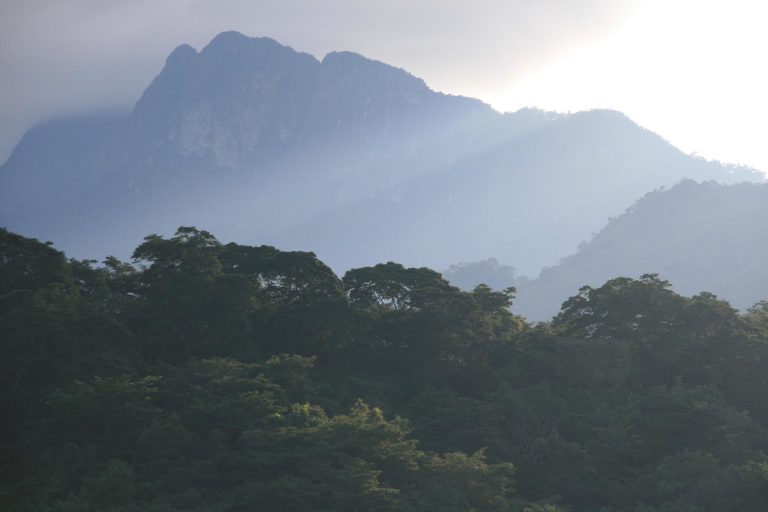
Paddling the Momella Lakes in Arusha National Park, Lake Duluti or Lake Babati among waterbirds and hippo, with Meru or Kilimanjaro behind on a clear morning.
A canoe safari is wildlife viewing from a paddled canoe on calm inland water, usually two or three hours at either end of the day. Quiet is the whole argument for it: birds do not flush, hippo do not submerge at the sound of an engine, and the eye sits almost at surface level. TANAPA permits it in a specific set of parks, headed by the Momella Lakes in Arusha National Park, and Lake Duluti near Arusha is the standard half-day outside the park system. This guide covers where it runs, what it shows, and how hippo are managed.
Safaris That Include Canoe Safaris

Canoe Safaris Guide in Tanzania
What a canoe safari is, and what it is not
A canoe safari is wildlife viewing from a paddled canoe on calm inland water, usually lasting two or three hours and usually taken in the early morning or late afternoon. It is the quietest way to watch animals in Tanzania, and quiet is the whole argument for it.
A motorboat is heard long before it arrives. A canoe is not, which means birds do not flush, hippo do not submerge at the sound of an engine, and the animals on the bank carry on. It also sits lower in the water than a motorboat, putting the eye almost at surface level.
What it is not is a way of covering distance or of reaching big rivers. Canoes work on sheltered lakes and slow, narrow water. They are unsuitable for open lake crossings, for fast rivers, and for any water where a hippo pod holds the channel. Where the water is large or the current real, a motorboat is the right tool, and the boat safari guide covers that. Sea kayaking on the coast is a different activity again.
Canoeing is also not the main event of a safari. It is a half-day that changes the rhythm of a trip, best used to break up a run of game drives.
Where canoeing is permitted in Tanzania's parks
TANAPA's published tariff sets out where canoeing is an authorised activity, and the list is more interesting than the day-tour marketing suggests. Canoeing is tariffed per person for two hours in Nyerere, Arusha and Lake Manyara National Parks, and in Mahale Mountains, Burigi-Chato, Rumanyika-Karagwe and Rubondo Island National Parks to a maximum of three hours. The tariff is priced for participants of sixteen and above and for children between five and fifteen, which indicates the activity is open from five subject to whatever limit an operator applies. Being on the tariff also means being charged for in its own right rather than covered by park entry, a distinction worked through in the published park fees and what an operator adds to them.
Outside the parks, the lake most visitors actually paddle is Lake Duluti, near Arusha, which sits under a different arrangement entirely.
The Momella Lakes, Arusha National Park
This is the best canoeing in Tanzania, and the reason has as much to do with what does not live in Arusha National Park as with what does.
TANAPA's own description is that canoeing is possible by prior arrangement on Small Momella Lake, and that buffalo, giraffe, bushbuck, waterbuck and hippo are often seen, with wading and water birds common throughout. The Momella Lakes are a series of shallow alkaline crater lakes with different mineral compositions, which is why they sit side by side in noticeably different colours.
What makes the paddling relaxed is the absence of lion from the park. A giraffe drinking at the water's edge fifty metres from a canoe, buffalo standing in the shallows, and waterbuck on the margins are all encountered at a distance that would be uncomfortable elsewhere.
The birding is exceptional. Arusha National Park has over 450 recorded species, and the Momella Lakes carry both lesser and greater flamingo, so a canoe morning frequently ends among a flamingo flock. The flamingo watching guide covers those birds in more detail, and the bird watching guide covers the park's wider list.
A canoe session pairs naturally with a walk in the forest above the lakes, where TANAPA rates the park as probably the best place in Tanzania to watch black and white colobus. Mount Meru and, on a clear morning, Kilimanjaro stand behind the whole scene.
Canoeing here must be arranged in advance. It is not available on the day.
Lake Duluti
Lake Duluti is a small crater lake a short drive from Arusha, ringed by forest and sitting outside the national park system. It is the standard half-day canoeing trip for travellers with an afternoon to spend before or after a safari, and it is usually combined with a walk on the forested crater rim.
The appeal is calm, enclosed water, a forested shoreline that comes straight down to it, and birds at close range: kingfishers, herons, cormorants and fish eagles, with monitor lizards along the banks. The lake is small enough to paddle round comfortably and sheltered enough that wind rarely stops the activity.
Because Duluti is not a national park, arrangements are made locally rather than through a park gate, and the practical details, including which access point is used and what is provided, are best settled with the guide or operator organising the trip rather than assumed.
The other canoeing waters
Lake Manyara National Park offers canoeing, in TANAPA's own words, depending on the level of water in the lake. That qualification does most of the work: Manyara's water level fluctuates substantially, and in low years the activity is simply not available. When it runs, it is paddling on a shallow alkaline lake under the Rift escarpment with pelicans, flamingos and the park's very large baboon troops on the shore.
Nyerere National Park tariffs canoeing alongside its motorboat safaris, which puts a canoe on the oxbow lakes that border the Rufiji. This is a different proposition from Momella: the lakes hold very large populations of hippo and crocodile, so routes and timing are guided decisions rather than a leisurely paddle wherever the mood takes you.
Rubondo Island National Park lists boating safaris in an open motor boat or in a visitor's own canoe, and the papyrus fringes and sheltered bays are the places to use it.
Mahale Mountains, Burigi-Chato and Rumanyika-Karagwe are all tariffed for canoeing. At Mahale the lakeshore in calm morning conditions is superb, and kayaking is a standard camp activity there alongside the chimpanzee trekking covered in the chimpanzee trekking guide.
Saadani National Park is not on the canoeing tariff but TANAPA notes that the Wami River, which meanders through mangrove forest in the south of the park, can be enjoyed by boat or canoe, with hippo and crocodile present.
What you see from a canoe
Water birds, first and continuously. A canoe drifts within a few metres of herons, jacanas, kingfishers, ibis and storks that would move off from anything noisier, and on the alkaline lakes it gets in among flamingo and pelican.
Large mammals at the water's edge behave better towards a canoe than towards a walking group and about as well as towards a vehicle. Buffalo in the shallows, giraffe splay-legged at the edge, waterbuck and bushbuck in the reeds.
The other reward is the surface itself: reflections, mist coming off the water at dawn, and the light on a still lake, which is the reason to take the early session rather than the late one.
What a canoe will not produce is predators. Lion and leopard are not canoe subjects, and the waters where canoeing is most relaxed are precisely the waters with the fewest of them.
Safety, age and conditions
Hippo are the consideration that matters. They are territorial, they hold channels and deep water, and a canoe is small, silent and low, which is the worst combination for being noticed late. Guides who paddle these waters routinely keep to the shallows, stay well away from pods, avoid coming between a hippo and deep water, and turn back when behaviour says to. A guide who declines a route is doing the job properly.
Crocodile are present in most of these waters and are a reason not to trail hands, not to stand up, and not to swim.
Life jackets should be provided and worn. If they are not offered, ask, and if there are none, do not go.
No paddling experience is needed. Canoes are usually two or three seaters with a guide doing the steering and most of the propulsion, and the activity is closer to being ferried than to canoeing as a sport. Reasonable mobility is needed to get in and out of a low craft from a bank.
Wind is the limiting condition rather than rain. Open water on a windy afternoon is uncomfortable and can be unsafe, which is another reason the morning session is the better one. Sessions are two hours, or up to three in the parks where the tariff allows it.
What to take
A hat and high-factor sunscreen, because reflected sun off water burns harder than direct sun. Sunglasses, preferably polarised, which cut surface glare and make it possible to see into the water.
A dry bag for anything that must not get wet, and the working assumption that everything in the canoe will get at least damp. Shoes that can be soaked, since getting in and out usually means standing in shallow water and mud.
Binoculars, because the birding is the main event. A camera with a moderate zoom rather than a long lens: the subjects are close, the platform moves, and a heavy telephoto in a canoe is an accident waiting to happen. Insect repellent for the reed margins, and a light layer for a cold dawn on the water.
Common questions about canoe safaris
Where is the best canoeing in Tanzania?
The Momella Lakes in Arusha National Park, by prior arrangement. The park has no lion, which makes close encounters with buffalo, giraffe and waterbuck relaxed, the lakes carry both flamingo species, and Mount Meru stands behind it all.
Which parks permit canoeing?
TANAPA tariffs canoeing in Nyerere, Arusha and Lake Manyara National Parks, and in Mahale Mountains, Burigi-Chato, Rumanyika-Karagwe and Rubondo Island. Saadani's Wami River can also be paddled. Outside the parks, Lake Duluti near Arusha is the usual half-day option.
Is it safe with hippo and crocodile around?
With a competent guide, yes, and the guiding is what makes it so. Canoes stay in the shallows, keep well clear of hippo pods and never come between a hippo and deep water. Hands stay inboard, nobody stands, and nobody swims.
Is paddling experience needed?
No. The guide steers and does most of the work, and the activity requires no technique. What it does require is enough mobility to get into and out of a low craft from a bank or from shallow water.
Is there a minimum age?
TANAPA's canoeing tariff prices participants of sixteen and above separately from children between five and fifteen, which indicates the activity is available from five. Individual operators and camps set their own limits, often higher.
How long does a canoe safari last?
Two hours as standard under TANAPA's tariff, and up to three hours in Mahale, Burigi-Chato, Rumanyika-Karagwe and Rubondo. Morning sessions are calmer, cooler and better for birds.
Can canoeing be arranged on the day?
Not inside the national parks, where it needs prior arrangement. Lake Duluti, being outside the park system, is easier to organise at short notice through a local guide or operator.