
Tanzania Balloon Safaris
A dawn balloon flight over the plains, most commonly in the Serengeti and also offered at Tarangire, usually followed by breakfast on landing.
Hot air balloons fly over three Tanzanian parks: the Serengeti, where almost every Tanzania balloon safari takes place, plus Tarangire and Ruaha. Central Serengeti and Tarangire launch every month of the year, while the other Serengeti sites open and close with the wildebeest. A flight lasts about an hour at sunrise and fills roughly five hours of the morning, breakfast included, so it takes the place of one morning game drive.
Safaris That Include Hot Air Balloon Safaris


7 Day Fly in Safari Serengeti Tanzania
by Insight Safari Holidays Verified operator
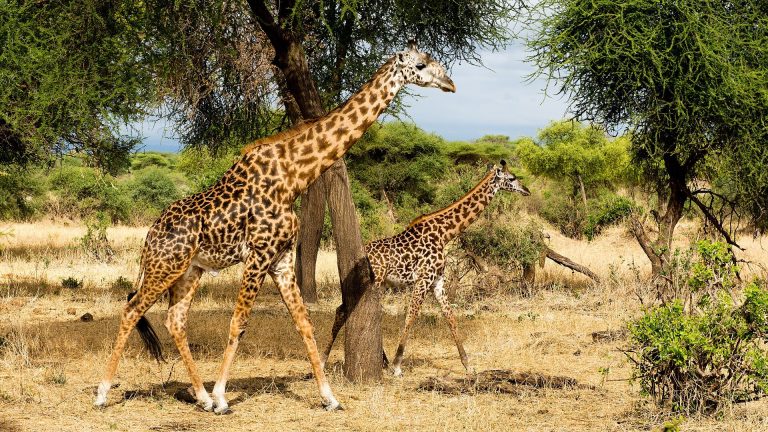

8 Days Safari in Tanzania
by Tranquil Safaris Verified operator


Serengeti & Zanzibar Honeymoon
by Ancient Africa Safaris Verified operator
From $8,400 per person
View Safari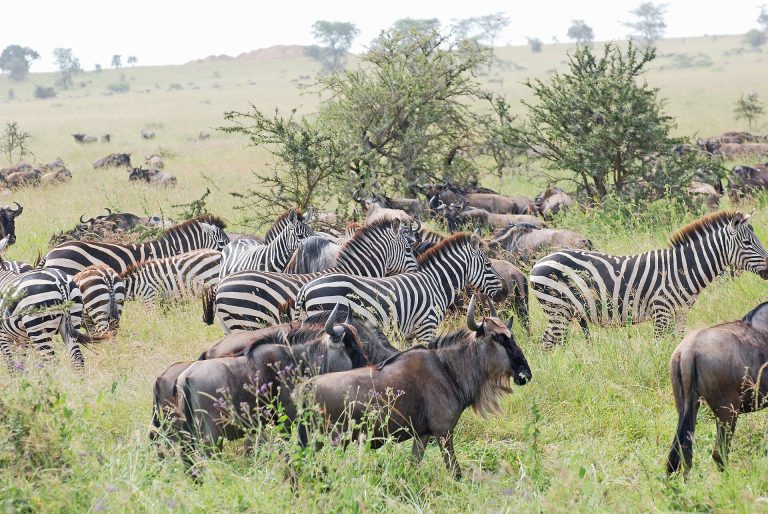
Grand East Africa: Mara, Serengeti & Gorillas
by Ancient Africa Safaris Verified operator
From $15,100 per person
View Safari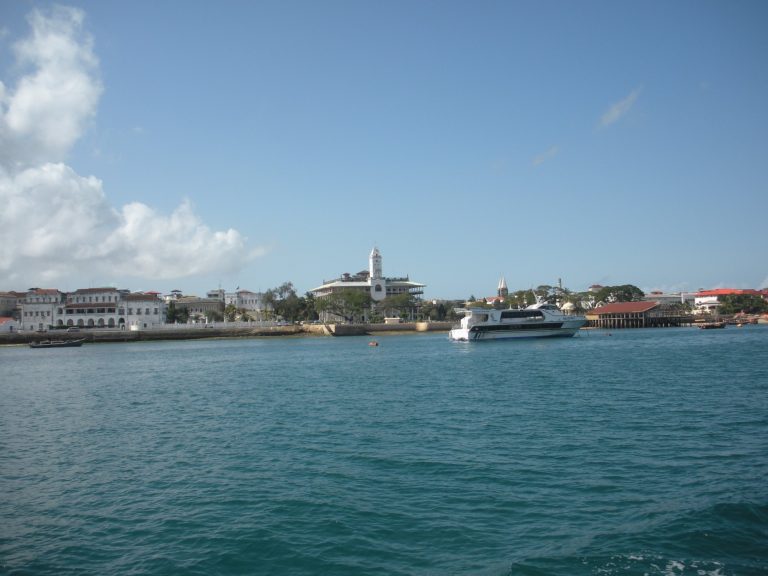
Savannah & Spice: Kenya, Tanzania & Zanzibar
by Ancient Africa Safaris Verified operator
From $9,990 per person
View Safari
The Great Primate Expedition: Kenya, Tanzania & Uganda
by Ancient Africa Safaris Verified operator
From $14,800 per person
View SafariSee all 10 safaris that include hot air balloon safaris
Hot Air Balloon Safaris Guide in Tanzania
Tanzania Balloon Launch Areas
Tanzania's balloon launch areas, the months each one flies and what each puts beneath the basket.
| Launch area | Flying season | Below the basket | Pick-up from | What it means for you |
|---|---|---|---|---|
| 01Seronera, central SerengetiSerengeti National Park | All year | Seronera River, kopjes, resident lion, leopard and plains game | Central Serengeti lodges and camps | The one site that never depends on where the herds are |
| 02Ndutu, southern plainsSerengeti and Ngorongoro Conservation Area | Seasonal December–March | Open short grass, calving wildebeest herds | Ndutu and southern Serengeti camps | The flight to plan around if your trip is timed for calving |
| 03Kirawira, Western CorridorSerengeti National Park | Seasonal Core June–October | Grumeti River, crocodiles, herds moving north | Western Corridor camps | Opening and closing dates move each season, so confirm May and November |
| 04Kogatende and Lamai, northern SerengetiSerengeti National Park | Seasonal Core June–November | Mara River, hippo, crocodile, crossing herds | Most northern Serengeti camps | Shows the river country, though a crossing during your hour is luck |
| 05Silale Swamp and Tarangire RiverTarangire National Park | All year | Baobab woodland, swamp, elephant and buffalo herds | Camps and lodges near the launch sites | Slow, low flights; the easiest add-on from Arusha on a short trip |
| 06Great Ruaha River, Msembe areaRuaha National Park | Dry season June–October | River, baobabs, granite outcrops, elephant, buffalo and big lion prides | Camps near the launch area | Often the only balloon in the sky; few seats, so book early |
Seasonal months are the core windows published by Serengeti Balloon Safaris and Miracle Experience; the two operators' dates differ by a few weeks and change between seasons. Ruaha months are taken from the operator's own flight log. Every flight is weather permitting and wildlife sightings are never guaranteed. Last checked November 2026. Sources: balloonsafaris.com FAQs and flight log, miracleexperience.co.tz FAQ.
Serengeti Balloon Safari Launch Areas Through the Year
A Serengeti balloon safari is not one flight from one place. The park covers about 14,750 square kilometres, and the operators run a permanent base in the centre plus seasonal bases that follow the migration around the ecosystem. Where you sleep decides where you fly, because the balloon company collects you from your own camp and drives you to the nearest launch site. A flight from the north is impossible if your camp is in the south.
Seronera, in the central Serengeti, is the year-round site and the busiest. Balloons lift off over the Seronera Valley, where the river holds water through the dry months and resident predators stay put. Flight logs from this area routinely list lion, leopard near the kopjes, cheetah, giraffe towers and buffalo, and in the green season migrating zebra and wildebeest pass straight through. Banagi, a little north of Seronera, appears in the operators' logs as a second central launch point. If your itinerary has only one Serengeti night, it will probably be in this area, and this is the flight you will be offered.
Ndutu and the southern plains are flown from late December to the end of March, the calving months. The southern Serengeti and the Ndutu area of the Ngorongoro Conservation Area turn into open short grass covered with wildebeest and their calves, which is exactly the scene a balloon shows best: thousands of animals spread to the horizon rather than one sighting at a time. Logs from February describe mist over the Golini plains and sunrise over the Ngorongoro highlands. See the site's guide to Ndutu for where the herds tend to gather.
The Western Corridor base sits at Kirawira, near the Grumeti River. Both operators fly it in the middle of the year, roughly June to October, when the herds slow down at the river before heading north. Here the basket drops low over the water to look for crocodiles and hippo. One operator's own pages give two different windows for this base, and flights have also been logged in November, so treat the edges of the season as something to confirm for your dates rather than assume.
Kogatende and the Lamai Wedge, in the northern Serengeti, open for the river crossing months, broadly June to November. Balloons follow the Mara River past its oxbows, and the logs mention hippo pods, crocodiles and herds lined up on the banks. A crossing happening during your one hour aloft is luck, not a plan. What you do get is the shape of the river country, which a vehicle on the bank never shows.
Private reserves on the park's western edge add one more option. Miracle Experience lists Singita Grumeti as a location and Serengeti Balloon Safaris logs flights over Sasakwa, both mainly for guests staying in those concessions. Ask your camp before you assume a seat is available to outside visitors.
Tarangire Balloon Safaris over Silale Swamp and the River
Tarangire is the other year-round balloon park, and the feel is completely different. The winds are softer, so the flights are slower and sit lower, drifting from Silale Swamp over wooded ridges to the baobab-lined Tarangire River. One operator's spokesman described climbing to about 800 feet over woodland to pick up speed, then easing down along the river.
Elephant and buffalo herds are the reason to go. In the dry months they crowd the river, and the basket often passes low enough to watch a herd move along the bank. A Tarangire balloon safari also suits short northern circuit trips, because the park is the closest balloon venue to Arusha and you do not need to reach the Serengeti to fly.
Ruaha Balloon Safaris in Southern Tanzania
Ruaha is the quietest of the three. Ruaha National Park sits in southern Tanzania where East African and southern African wildlife overlap, so the ground below can hold greater kudu, sable and roan alongside the more familiar species. Only Serengeti Balloon Safaris flies here, which usually means yours is the only balloon in the sky.
The operator's flight log shows Ruaha flights from early June to the end of October, the dry season, when animals concentrate on the Great Ruaha River and July averages no rain at all. Travellers who have flown here twice describe the difference wind makes: a calm morning took them high enough to see river confluences across the park, while a windier one kept the balloon low and gave far more game. Late in the season, after early rain, animals no longer need the river, and one flight report notes very little wildlife below. October is also the hottest month in Ruaha, with days near 32°C.
Ngorongoro Crater, Nyerere and Parks Without Balloon Trips
A few pages promise balloon flights over the Ngorongoro Crater or in Nyerere. Neither main operator lists either one. The Ndutu flights run inside the wider Ngorongoro Conservation Area, which is where that claim usually comes from, but nobody flies across the crater floor. For Nyerere, Lake Manyara or any other park, ask the agent which company holds the flight and check that company's own site before you pay a deposit.
What Happens on a Balloon Safari Morning
The day starts in the dark. Your pickup comes well before first light, because the balloon must be airborne at sunrise, before the ground warms and the wind picks up. The drive to the launch site doubles as a short night drive, and plenty of passengers see hyena or a lion crossing the track in the headlights before they ever leave the ground.
Steering is the part most people misjudge. A balloon has no engine and goes where the wind goes; the only control is height. Pilots read the winds at different altitudes and use them to bend the track toward a river or away from a ridge, but nobody, including the pilot, knows exactly where the basket will come down. On one long morning Miracle Experience reports a flight of 1 hour 20 minutes covering about 10 kilometres. On another, the same distance might take half the time.
Baskets are large. Serengeti Balloon Safaris flies mostly 16-seat balloons, split into compartments of two, three or four people, and some 12-seat ones. You stand for most of the flight, shoulder to shoulder with strangers, so families or couples wanting space should ask about a private basket. The burners are loud in short bursts and hot on the top of your head; the rest is close to silent, and from low down you hear birds and hippo grunting.
Landings come in three kinds, named in the operators' own logs: upright, where the basket simply settles; tip-over, where it lies on its side; and drag, where it slides along the grass before stopping. That is why the briefing matters. Hold the rope handles, keep your back against the padding and stay put until the crew says so.
Wildlife viewing from the air is wide, not close. Experienced visitors in forum threads are clear that you spend much of the flight too high for detail, and that a balloon is better at showing animals inside the country they use than at framing one lion. For close photographs, a morning game drive wins; the site's photographic safari page covers ground options. A wide or standard zoom lens does most of the work from the basket, and a wrist strap is worth having, since anything dropped stays dropped.
Best Season for a Tanzania Balloon Safari
There is no bad month to fly from Seronera or Tarangire. Serengeti mornings stay between about 12°C and 26°C through the year, and in the rainy months the showers mostly fall in the afternoon, evening or night, so dawn is usually the driest and calmest time of day. The long rains run from late March to early June and the short rains from November to mid December. In those green seasons the central Serengeti often has migrating herds passing through, the grass is green and there is no dust.
That cuts against the common advice that June to October is the only time to fly. The dry season is busier and books out sooner. Pick by what you want under the basket: calving herds in the south from late December to March, river country in the west and north from June, elephants on the Tarangire River in the dry months, and Ruaha only between June and October. The site's best time to visit Tanzania guide and the Great Migration page show where the herds tend to be by month.
Weather still wins on the day. Logs record mornings where crews waited for stronger winds to ease before launching, and flights that went ahead after rain overnight.
Balloon Safari Age, Weight and Health Limits
Limits are set by each operator, checked on the morning at the launch site, and they differ. Serengeti Balloon Safaris sets a minimum age of 6 on the day of the flight and has no upper age limit. Miracle Experience lets 5 to 7 year olds fly only with a responsible adult and requires every passenger to be at least 1.2 metres tall, which matters because a child who cannot see over the basket wall has paid to look at wicker.
| Rule | Serengeti Balloon Safaris | Miracle Experience |
|---|---|---|
| Minimum age | 6 years | 5, with an adult |
| Minimum height | Not stated | 1.2 m |
| Over 120 kg | May need two seats | Extra charge |
| Pregnancy | Cannot fly | Cannot fly |
| Upper age | None | Not stated |
Health rules matter more than age for older travellers. Serengeti Balloon Safaris turns away anyone with heart conditions, brittle bones, or neck and back problems, and every passenger must bend their knees, grip rope handles with both hands for take-off and landing, and climb in and out of the basket. Most wheelchair users cannot fly. Raise any doubt with the operator by email before booking, not at the launch site at dawn.
Fear of heights stops fewer people than expected. Because the balloon moves with the wind, there is no breeze in the basket and almost no sway, and passengers who dread balconies often say it felt nothing like standing at the edge of a tall building.
Balloon Safari Safety, Licensing and Weather Calls
Ballooning carries real risk, and the record shows it. In September 2010 a balloon carrying tourists crashed in the Serengeti, killing an American and a Danish passenger; officials pointed to strong winds, and the operator said it was the first fatal crash in 20 years of flying there. Forum threads also include reports of hard landings causing whiplash. A good operator lowers these risks through weather discipline, pilot experience and equipment. Nobody can remove them.
Check three things. First, the licence: balloon operators in Tanzania are regulated by the Tanzania Civil Aviation Authority, and Serengeti Balloon Safaris states it is inspected every year, runs an ICAO-standard safety management system and requires pilots to hold commercial licences from Tanzania and at least one other country. Second, the kit: passenger restraints, rapid deflation systems and reinforced baskets are on that operator's list, and Miracle Experience flies Ultra Magic balloons on propane.
Third, the cancellation habit. The pilot can call off a flight at the launch site if the wind is wrong, and that is the system working. Ask any lesser-known company for its licence and insurance before paying.
Booking a Balloon Safari Around Your Safari Route
Book once your camps are fixed. The operator needs your flight date, the Serengeti sector and the name of the camp you sleep in the night before. Your tour operator can add it to the package, or you can book directly with either company. Neither collects from Arusha.
Put the flight early in your stay at a camp, not on the last morning. If weather cancels it, both main operators refund in full or move you to the next day when seats allow, and an early slot leaves that second chance. Their passenger cancellation terms match: free up to 14 days before, then 50%, then 75% from six days out, and nothing back inside 48 hours.
Two practical points catch people out. If your camp sits outside the park boundary, you need park entry for that day and a car and guide to meet you after breakfast. And if you fly out of the Serengeti the same morning, airstrip drop-offs are possible: the strips are 10 to 15 minutes from the Seronera breakfast area. The sibling guide on Tanzania flying safaris covers how those light aircraft connections work.
Pack layers for a cold start and a warm finish, a hat against the burner heat, long trousers, long sleeves in natural fibre and closed shoes. A small camera bag or daypack is allowed in the basket.
Tanzania Balloon Safari FAQ
How much does a Tanzania balloon safari cost?
Both main operators publish a shared basket rate of US$599 per person in the Serengeti and US$550 in Tarangire. That covers pickup from your camp, the flight of about one hour, the champagne toast, the bush breakfast and the return to your guide. Serengeti Balloon Safaris has announced that from 1 January its rate rises to US$660 in the Serengeti and US$599 in Tarangire and Ruaha. Private baskets and longer exclusive flights cost more and are quoted on request. Tour operators sometimes include a discount when the flight is booked with the package.
Are park fees included in the balloon safari price?
Park entry is not part of the balloon price. Most safari packages already cover park fees for the days you are in the park, but if you stay outside the boundary you need entry for the day of the flight. The site's Tanzania safari cost guide explains how park fees sit inside a full quote.
Which is better, a Serengeti balloon safari or Tarangire?
The Serengeti, for most first trips, because of the choice of launch areas and the chance of migration herds beneath you. Tarangire is slower and lower, with baobabs and elephant herds, and suits short itineraries that never reach the Serengeti.
Can children go on a balloon safari in Tanzania?
Yes, from age 6 with Serengeti Balloon Safaris and from 5 with an adult and at least 1.2 metres tall with Miracle Experience. Serengeti Balloon Safaris lets younger children ride along with the ground crew, watch the launch and join the family at breakfast at no charge.
Is a balloon safari safe?
With a licensed operator that cancels in bad wind, it carries low but real risk. Fatal accidents are rare, the last widely reported Serengeti crash was in 2010, and the main injury risk is a hard landing, which the briefed landing position reduces.
Do balloons disturb the wildlife?
A Tarangire pilot interviewed by the Anadolu news agency said the balloon does not disturb the animals below, and experienced visitors in forum threads agree that most of the flight is too high to bother anything. Critics point instead to the chase vehicles that drive off track to collect the basket, which is the larger footprint of the activity.
Will I see the Great Migration from a balloon?
Only if you fly from the launch area nearest the herds that week. Ndutu from late December to March gives the best odds of large herds below; the northern and western bases cover the middle of the year. Sightings are never guaranteed.
What should I wear for a Serengeti balloon safari?
A warm layer you can remove, a hat, long trousers, long sleeves and sturdy closed shoes. Bring a camera and binoculars; the operators also take photos and share them free after the flight.
A balloon flight is easiest to arrange as part of the whole trip, so it helps to see it inside a full itinerary. Tanzania Safari.travel is a marketplace for safaris from independent tour operators: you can compare the safaris that include a balloon flight across the Serengeti, Tarangire and Ruaha, then send your enquiry straight to the operator running the trip you like, with no booking fee added. Ask them to write the balloon morning into the plan from the start.