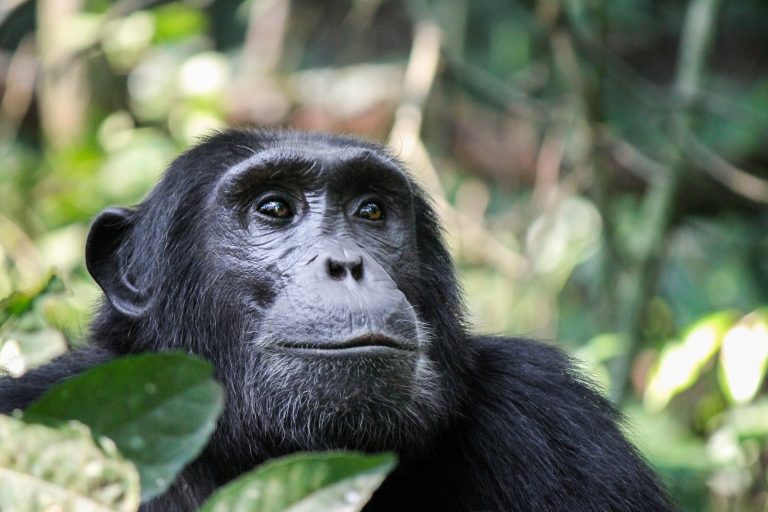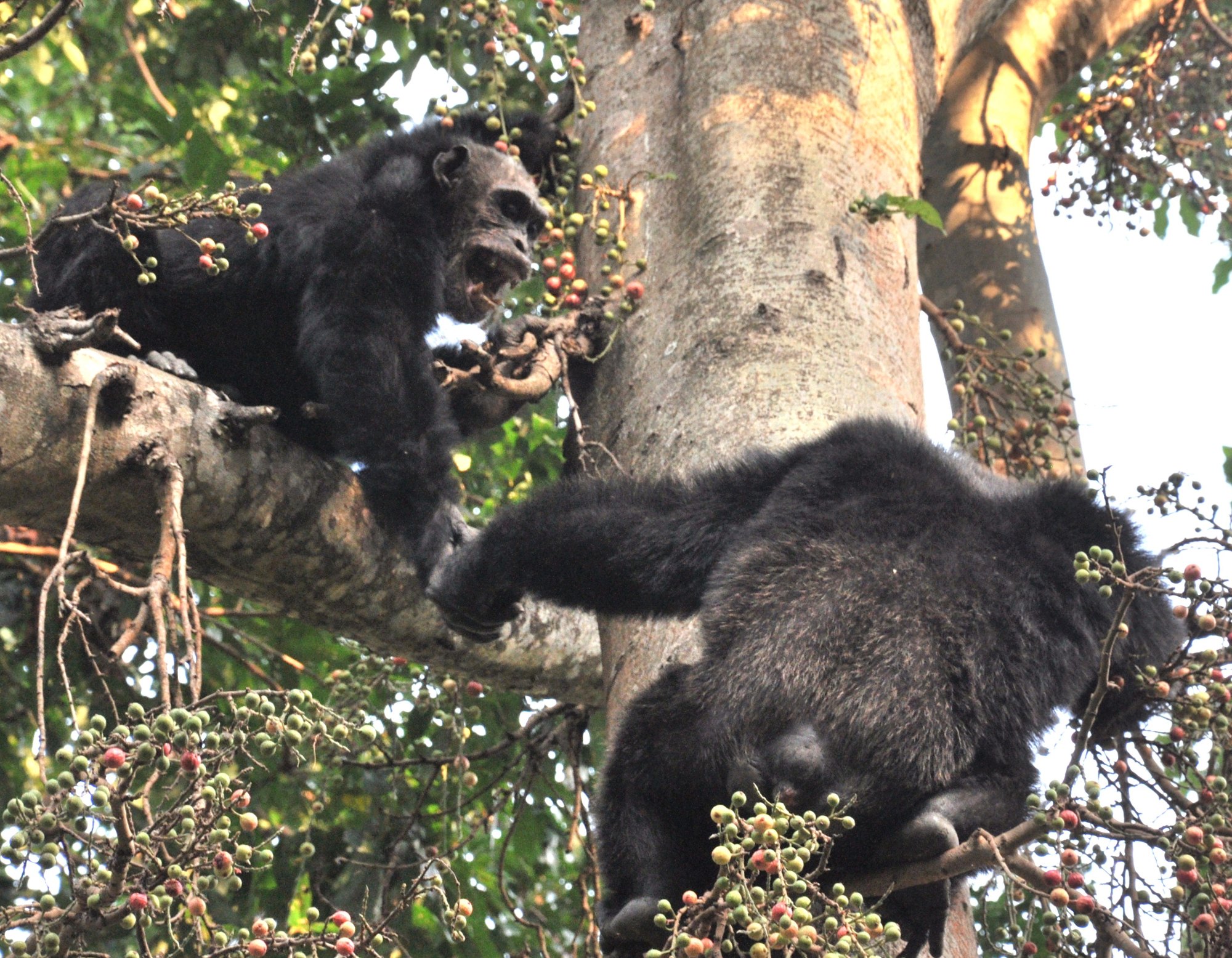
Mahale Mountains National Park has no roads at all, so every visitor reaches this forested range on the eastern shore of Lake Tanganyika, in western Tanzania’s Kigoma Region, by light aircraft or by boat. The park is Tanzania’s leading chimpanzee trekking safari destination, built around the habituated M group that Kyoto University researchers have followed since 1965. Most travellers stay three or four nights between June and October, when the forest trails are driest.
Where Is Mahale Mountains National Park in Tanzania?
Mahale Mountains National Park lies in the far west of Tanzania, in Uvinza District of the Kigoma Region, on a peninsula that juts into the eastern shore of Lake Tanganyika. Kigoma town sits roughly 120 to 130 kilometres to the north by water, and the Democratic Republic of the Congo lies across the lake to the west.
The park takes its name from the Mahale Mountains, a chain of peaks that rises straight out of the water and fills most of its area. Lake Tanganyika forms the western boundary, and the border between Tanzania and the Congo runs down the middle of the lake.
Two other western parks sit within reach. Gombe National Park, the smaller chimpanzee park made famous by Jane Goodall, lies about 175 kilometres north near Kigoma. Katavi National Park lies inland to the south east, and light aircraft routes often link the two on what operators call the western circuit.
How to Get to Mahale by Air, Boat and Lake Ferry
You reach Mahale Mountains National Park by light aircraft or by boat, never by road. The fastest route is a light aircraft flight from Arusha or Dar es Salaam to the Mahale airstrip, followed by a boat transfer along the shore to camp; the cheaper route is a flight or overland trip to Kigoma, then four to six hours south by speedboat.
Plan on a full travel day in each direction. That single fact sets the minimum sensible stay at three nights, because a two night trip leaves one trekking morning and no margin if the chimpanzees are far up the slopes.
Scheduled and Charter Flights to the Mahale Airstrip
Scheduled light aircraft flights from Arusha and Dar es Salaam to the Mahale airstrip run during the peak season from June to October, taking about three to five hours with stops; flights commonly call at Katavi on the way. Outside those months the scheduled service thins out or stops, and a private charter becomes the only air option. Air Excel, Regional Air and Northern Air are among the domestic carriers named for charters to Mahale.
From the airstrip, a boat carries you along the lakeshore to the camps. The lodges arrange the flight and transfer together, which matters here: a missed connection in western Tanzania can mean waiting days for the next seat rather than hours.
Flights to Kigoma Then a Boat South
Kigoma has scheduled flights from Dar es Salaam of about three hours. From Kigoma, a speedboat to Mahale takes roughly four to six hours depending on the wind and the boat, while a local timber boat can take up to 15 hours. Private companies in Kigoma and the park itself can organise the boat.
MV Liemba Lake Ferry from Kigoma
The MV Liemba, a passenger and cargo ferry first launched on the lake in 1915, historically called at Lagosa on the northern edge of the park about 10 hours after leaving Kigoma, where a park boat then met passengers. The ship spent more than two years out of service for a full rebuild and returned to commercial service on Lake Tanganyika after sea trials in August, so check the current timetable and its Mahale stop with Tanzania Shipping Company before building a trip around it.
Overland by Road to Kigoma
Driving from Arusha to Kigoma takes about two to three days by four wheel drive on long, rough stretches that can become impassable in the rains. It only makes sense as part of a longer overland trip; you still need a boat from Kigoma for the last leg.
Why Visit Mahale Mountains National Park
The main reason to visit Mahale Mountains National Park is to sit for an hour, at close range, with wild chimpanzees that have known researchers for six decades, in a forest that very few people ever reach. The park recorded just 1,074 visitors in 2012 on TANAPA figures.
That low footfall shapes everything. Trekking groups are capped at six visitors, the camps are small, and the trails carry no vehicles. Afternoons belong to the lake. Its clear, warm water laps white sand beaches, with forest running straight down to the shore.
Mahale also suits travellers who have already done the Serengeti and want a trip built on walking rather than driving. For a first safari focused on big game, though, the open plains parks deliver more animals for less travel time.
Things to Do in Mahale Mountains National Park
Chimpanzee trekking is the main activity in Mahale Mountains National Park, and most visitors spend every morning on it. Afternoons go on the lake or the forest edge: snorkelling, kayaking, dhow boat trips, sport fishing and guided walks, with a two or three day climb of Mount Nkungwe for fit hikers.
Chimpanzee Trekking with the M Group
Chimpanzee trekking in Mahale follows the M group, a community of about 60 chimpanzees habituated to people through the Kyoto University study. Trackers leave at dawn to find where the chimps nested the night before, then radio the position so your group can walk in with a TANAPA ranger or lodge guide.
The walk itself varies more than any other part of a Mahale safari. Nobody knows the length in advance. Some mornings the chimps are 20 minutes from camp; on others the group climbs for several hours. One June trip report describes a six hour day with sections scrambled on all fours, grabbing vines on slopes too steep to walk, while another visitor found the community an hour from camp on the first morning.
Once the group finds the chimpanzees, viewing time is capped at one hour. Everyone wears a surgical face mask, keeps the distance the ranger sets, and stays away from the chimps with any cold or stomach illness, because chimpanzees catch human respiratory infections and those infections can kill them. You will almost always hear the pant hoot calls rolling down the valley before you see anything.
The kit that matters most, drawn from guide advice and repeated trip reports, is short:
- Broken in hiking boots with good grip
- Long trousers and long sleeves in muted greens or browns
- Gardening or grip gloves for vines on steep ground
- At least two litres of water for the humidity
- A light rain jacket, since this is rainforest in any month
- A camera with a fast lens, because flash is not allowed
The forest floor is dim even at midday. A camera that copes with high ISO earns its weight. Leave camouflage patterns at home, since they are restricted in Tanzania.
Mount Nkungwe Hiking Expedition
The Mount Nkungwe hike is a two or three day guided mountain climb from the lakeshore to the park’s highest point at 2,462 metres, camping on the way. The route crosses Mount Mhensabantu and Mount Humo first, and it is demanding; hikers carry their own camping gear and supplies. Roan and sable antelope, warthog and the occasional elephant or giraffe use the higher grassland, and at night the lamps of fishing boats dot the lake below.
Snorkelling and Kayaking Tours on Lake Tanganyika
Snorkelling at Mahale takes place over rocky shallows off the camp beaches, where cichlid fish found nowhere else on earth crowd the water. Nile crocodiles live in the lake, so snorkelling and swimming happen only at spots your guide approves. Kayaking along the forested shore is the quieter option; TANAPA charges TZS 25,550 per person for either activity on the current tariff.
Forest Walks and Birdwatching Safaris
Guided forest walks and birdwatching safaris cover the lower forest, streams and lakeshore, and visitors may not walk the forest without a guide. More than 350 bird species have been recorded, with migrants present from November to April; conspicuous ones include the giant kingfisher, crested guineafowl and Ross’s turaco.
Dhow Boat Trips and Sport Fishing
Sunset dhow cruises along the shoreline are the standard way to end a trekking day at the lodges. Sport fishing is catch and release with a guide at set spots, and needs both a sport fishing fee of TZS 63,875 and a rod fee of TZS 51,100 per adult on the TANAPA tariff.
Wildlife in Mahale: Chimpanzees, Monkeys and Birds
Wildlife in Mahale is about primates first: roughly 800 to 1,000 eastern chimpanzees live across the park, the largest known population in Tanzania, alongside red colobus, blue monkeys and several other monkey species. Savanna animals live on the eastern slopes, away from the lakeshore trails.
Mahale Chimpanzees and the M Group
Mahale chimpanzees belong to the eastern subspecies, and Mahale is one of only two protected areas for them in Tanzania, with Gombe the other. Visitors track the M group of about 60 individuals, whom researchers know by face and name. Kyoto University’s study has documented how chimps use medicinal plants and has identified lions as one of their predators, and Mahale is one of very few places where chimpanzees and lions share a habitat.
Red Colobus and Other Monkeys
At least five other primates turn up on a typical Mahale visit: red colobus, blue monkey, redtail monkey, vervet monkey and yellow baboon. Red colobus troops are common in the canopy and are sometimes hunted by the chimpanzees. Lesser and greater galagos are about at night but are far more often heard than seen.
Savanna Animals of the Eastern Slopes
The drier eastern slopes hold elephant, lion, wild dog, roan antelope, buffalo and giraffe, a mix of savanna and forest species unusual in one park. Visitors rarely see them. Nobody should book Mahale for big game. Bushbuck, warthog and hippos in the lake shallows are the larger animals you are likely to see near camp.
Birds of Mahale’s Forest and Lakeshore
Most of Mahale’s 350 plus recorded bird species are forest birds that take patience to see well. Waterbirds along the shore are easier, and the African fish eagle is a regular over the lake.
Top Attractions in Mahale Mountains National Park
The top attractions in Mahale Mountains National Park are its mountains, its lake and its research forest: Mount Nkungwe on the skyline, the clear Lake Tanganyika shoreline below it, and the chimpanzee study area that made the park’s name.
Mount Nkungwe Summit
Mount Nkungwe, at 2,462 metres, is the highest of the six main peaks in the Mahale chain and the backdrop to almost every view from the beach. Mist often hides the summit, and the view from the top looks down over the lakeshore beaches and the forested ridges around them; the climb is covered under the hiking expedition above in the activities.
Lake Tanganyika Shoreline and Beaches
Lake Tanganyika is the longest freshwater lake in the world and the second deepest, and it holds about 250 species of cichlid fish. At Mahale its shore is a run of white sand coves backed by forest, and the water stays warm enough to swim after a trek.
Kyoto University Chimpanzee Research Area
The long running chimpanzee study area on the lakeshore forest is where the M group ranges and where Japanese primatologist Toshisada Nishida began work in 1965. The project has produced more than 300 academic papers in English and over 400 articles and books in Japanese, and the treks start from this part of the forest.
About Mahale: History, Research and Size
Mahale became a national park in 1985 and is managed by the Tanzania National Parks Authority (TANAPA). It covers about 1,613 to 1,650 square kilometres, a range that reflects different published figures, and sits in IUCN protected area category II.
Before the park existed, the Mahale Mountains were home to the Batongwe and Holoholo peoples, whose populations stood at about 22,000 and 12,500 respectively in 1987. When the Mahale Mountains Wildlife Research Centre was set up in 1979, residents were moved out of the mountains to make way for the park, a history worth knowing before a cultural visit to lakeshore villages such as Katumbi.
Research came first. Kyoto University’s chimpanzee work started in 1965, two decades before the park was gazetted, and that long habituation is the reason the M group tolerates visitors today.
How Mahale Differs from Gombe and Other Chimpanzee Parks
Mahale differs from Gombe, Tanzania’s only other chimpanzee trekking park, in scale and effort: it is far larger, harder to reach and wilder, while Gombe is smaller, closer to Kigoma and steeped in Jane Goodall’s history.
| Point | Mahale | Gombe |
|---|---|---|
| Entry, adult | About USD 80 | About USD 100 |
| Size | About 1,613 km² | Tiny strip |
| Research since | 1965 | 1960 |
| From Kigoma | 4 to 6 hrs | About 90 min |
| Fly to park | Yes, airstrip | No, via Kigoma |
The entry figures above are the current TANAPA non resident adult rates converted to dollars: TZS 204,400 for Mahale and TZS 255,500 for Gombe, per 24 hours. Gombe suits travellers short on time or already in Kigoma, and its history draws people who grew up on Goodall’s books. Mahale suits travellers who can give it three or four nights and want the setting of mountains falling into the lake, more chimpanzees to find, and fewer people on the trail.
Against Uganda’s Kibale Forest, the comparison runs the other way on logistics. Kibale is reachable by road and much easier to fit into a short trip, while Mahale trades that convenience for remoteness and a lake that no other chimpanzee park can offer.
Best Time to Visit Mahale for Chimpanzee Trekking
The best time to visit Mahale for chimpanzee trekking is the dry season from June to October, and August to October is the strongest window. Late in the dry season the chimpanzees often feed lower on the slopes, close to the lake, and the trails are at their driest and least slippery.
June and July are still good months, with firm paths, and the chimps sometimes come down to feed around the lodges in those weeks. Trip reports describe June treks as longer, though, with the community still high in steep ravines after the rains and climbs of up to 1,000 metres.
November to mid March brings the short rains and green season. The forest is lush, birding peaks with the migrants, and thunderstorms over the lake at night are a spectacle, yet treks run longer and wetter because the chimps follow fruiting trees uphill.
Avoid the long rains from about March to May. Nomad Tanzania runs its Greystoke Mahale trips year round except April and May, scheduled flights stop, and trails are at their wettest, so check which camps are open before choosing these weeks. The catch with the best months is that the small camps fill early, so book August to October dates well ahead.
Where to Stay in Mahale Mountains National Park
Accommodation in Mahale Mountains National Park comes down to two lakeshore lodges inside the park, a set of simple TANAPA bandas and campsites, and hotels back in Kigoma for travellers using the boat route. Both lodges sit on beaches with the forest behind them and are reached only by boat.
Greystoke Mahale
Greystoke Mahale, run by Nomad Tanzania, has eight open fronted bandas built from reclaimed dhow wood and set at the forest line above the beach. The camp is known for its primatology guides, several of them from families that have worked with the chimps since the research began. Nomad suggests three to four nights and links the camp with its Chada camp in Katavi; it publishes no rate on its site, so ask an operator for the current figure.
Mbali Mbali Mahale
Mbali Mbali Mahale, formerly Kungwe Beach Lodge, has ten tented rooms with private bathrooms on wooden platforms along the sand, around a main building and campfire area. It runs chimpanzee treks, hikes and boat trips from the lodge; confirm its seasonal dates and current rates directly before booking.
TANAPA Bandas and Campsites
The park’s own bandas, often called the Mango Tree Bandas, are the budget option for travellers on the Kigoma boat route. The current TANAPA tariff lists bandas and the rest house at TZS 102,200 per non resident adult per night, about USD 40, and a public campsite at TZS 76,650 per adult. Facilities are basic. Bring supplies and arrange meals ahead.
Hotels in Kigoma Town
Kigoma offers accommodation from budget guesthouses to comfortable lakeside hotels, and most boat route travellers spend a night there before the early departure south. A night in Kigoma also gives a buffer if a flight runs late.
Mahale Mountains National Park Entry Fees and Permits
Mahale Mountains National Park entry costs TZS 204,400 per non resident adult per 24 hours on the current TANAPA tariff, about USD 80 at the rate TANAPA’s figures convert from, and TZS 51,100 per child aged 5 to 15. Children under 5 enter free, and visitors staying at a lodge inside the park also pay a concession fee of TZS 76,650 per adult per night.
| Fee | Non resident | About USD |
|---|---|---|
| Entry, adult | TZS 204,400 | 80 |
| Entry, child 5 to 15 | TZS 51,100 | 20 |
| Concession, adult | TZS 76,650 | 30 |
| Concession, child | TZS 25,550 | 10 |
| Guide or ranger | TZS 51,100 | 20 |
| Chimp habituation | TZS 255,500 | 100 |
Expatriates with a Tanzanian residence or work permit pay TZS 102,200 for adult entry, and Tanzanian residents pay TZS 5,000. TANAPA charges entry per 24 hours from the time you arrive, so a three night stay that ends later in the day than it started adds a fourth entry period. The tariff runs from 1 July to 30 June each year, TANAPA states its fees include 18% VAT where applicable, and payment goes through the government’s electronic payment system, usually handled by your lodge or operator.
The tariff lists no separate chimpanzee trekking permit for Mahale. It lists a guide or ranger fee and a separate chimpanzee habituation fee, and the lodges usually fold trekking charges into their rates, so ask what your quote includes before you compare safari prices.
Mahale Park Fee Calculator
Work out the TANAPA park fees for your group from visitor type, ages, nights and where you sleep. Flights, lodge rates and trekking charges are not included.
Estimated park fees
TZS 1,686,300
About USD 660 at 2,555 shillings to the dollar
- Entry, 3 periods of 24 hours
- TZS 1,226,400
- Concession fee, 3 nights
- TZS 459,900
Children under 5 enter free and need no entry here.
Mahale tariff used by this calculator
| Fee | Non resident | Expatriate | Resident |
|---|---|---|---|
| Entry, adult, per 24 hrs | TZS 204,400 | TZS 102,200 | TZS 5,000 |
| Entry, child 5 to 15 | TZS 51,100 | TZS 25,550 | TZS 2,000 |
| Concession, adult, per night | TZS 76,650 | TZS 76,650 | TZS 20,000 |
| Concession, child, per night | TZS 25,550 | TZS 25,550 | TZS 5,000 |
| Bandas or rest house, adult | TZS 102,200 | TZS 102,200 | TZS 20,000 |
| Public camping, adult | TZS 76,650 | TZS 76,650 | TZS 5,000 |
| Public camping, child | TZS 12,775 | TZS 12,775 | TZS 2,500 |
Last checked November 2026. Indicative only: TANAPA sets the fees in Tanzanian shillings for the year from 1 July to 30 June, and your lodge or operator collects them. The tariff lists no child rate for bandas, so confirm it locally. Source: Tanzania National Parks (TANAPA) tariff for Mahale Mountains National Park.
Sample Mahale Itineraries for 4 to 7 Days
A Mahale trip works best at four days for a fly in chimpanzee safari or seven days when paired with Katavi. Each plan below allows a full travel day in and out and at least two trekking mornings.
Four Day Fly In Chimpanzee Safari from Arusha
Day one is the light aircraft flight from Arusha to the Mahale airstrip, about three to five hours with stops, then the boat to camp and a swim. Days two and three are chimpanzee treks each morning, with afternoons for snorkelling, kayaking or a dhow cruise at sunset. Day four is the boat back to the airstrip and the flight out. This plan relies on the June to October scheduled flights; outside those months it needs a charter.
Seven Day Katavi and Mahale Safari
Days one to three fly from Arusha to Katavi for game drives and walking safaris on its floodplains, where the dry season concentrates buffalo, hippo and lion. Day four is the short flight on to Mahale and the boat to camp. Days five and six are chimpanzee treks with lake afternoons, and day seven flies back. Nomad Tanzania runs this pairing between June and November.
Five Day Kigoma Boat Route Using the Park Bandas
Day one is the three hour flight from Dar es Salaam to Kigoma and a night in town. Day two is an early four to six hour speedboat south to the park bandas. Days three and four are chimpanzee treks with a guide, and day five is the boat back to Kigoma. Bandas cost TZS 102,200 per adult per night on the TANAPA tariff. The trade is time: this route leans on boat timing and basic facilities.
Mahale Mountains National Park FAQs
Is Mahale Mountains National Park worth visiting?
Yes, Mahale Mountains National Park is worth visiting for travellers who want wild chimpanzees and can give it three or four nights. It suits people who have already seen the northern parks, keen walkers and photographers. Travellers on a short first safari focused on lions and elephants should skip it, since the travel days and steep treks buy primates, not big game.
How many days do you need in Mahale?
Three to four nights in Mahale is the standard stay, and the camps often require at least three. Getting there takes most of a day each way, and three or four nights give two or three trekking mornings, which turns a good chance of a long chimpanzee sighting into a very strong one.
Are you guaranteed to see chimpanzees in Mahale?
No, chimpanzee sightings in Mahale are never guaranteed, but the odds are high, especially from August to October. The M group has been followed since 1965 and trackers locate it each morning. A visitor in June found the chimps on two of three trekking days, which is why a longer stay matters.
How fit do you need to be for chimpanzee trekking in Mahale?
You need to be fit enough for several hours of steep uphill walking in humid heat. Some treks last 20 minutes, while others climb hard on slippery ground through thick forest, especially in June and the rains. If you can manage three to five hours of hill walking, Mahale’s trails are within reach.
How much does it cost to visit Mahale Mountains National Park?
Park fees alone for Mahale Mountains National Park come to about USD 330 per non resident adult for three nights at an in park lodge: TZS 204,400 entry per 24 hours plus a TZS 76,650 nightly concession fee on the current TANAPA tariff. Flights, the lodge rate and any trekking charges come on top, and the flights and lodge are the largest share.
Can you swim in Lake Tanganyika at Mahale?
Yes, you can swim and snorkel in Lake Tanganyika at Mahale, but only where your guide says it is safe. Nile crocodiles, hippos and water cobras live in the lake, so the lodges use set beaches and rocky shallows near camp. The water stays warm through the year.
Can children go chimpanzee trekking in Mahale?
TANAPA’s published chimpanzee viewing regulations for Mahale set the minimum age for visiting the chimpanzees at 12, for the child’s safety and because children are more likely to pass on infections; some travel sites say 15, so confirm it with your lodge before booking a family trip to Mahale. Children under 5 enter the park free and those aged 5 to 15 pay TZS 51,100, but children under 12 may not join the trek itself.
Mahale or Gombe: which is better for chimpanzees?
Mahale is the better choice for a long, wild chimpanzee trek in a mountain and lake setting, and Gombe is better for a shorter trip with Jane Goodall’s history. Gombe sits about 90 minutes by boat from Kigoma and costs TZS 255,500 to enter, while Mahale needs a flight to its airstrip or a four to six hour boat ride.
Tanzania Safari.travel can help you plan a Mahale Mountains chimpanzee safari around the flights, boat transfers and the nights the trek needs, and pair it with Katavi, Gombe or the northern parks. Send your dates and group size, and the plan will start from the June to October flying season and the camps that are open when you travel.