
Snorkelling in Zanzibar
Reef snorkelling from boat or shore, principally at Mnemba, Chumbe, Misali and Mafia, and on the rocky shoreline of Lake Tanganyika for its endemic cichlids.
Book a boat for the best snorkelling in Zanzibar: the healthiest coral lies on protected offshore reefs at Mnemba Atoll in the north east, Chumbe Island south of Stone Town and Menai Bay in the south west, each under an hour by boat from the nearest beach. Shore snorkelling works at Nungwi, Kendwa and a handful of east coast bays, but only at the right state of the tide, and the tide runs later every day.
Safaris That Include Snorkelling
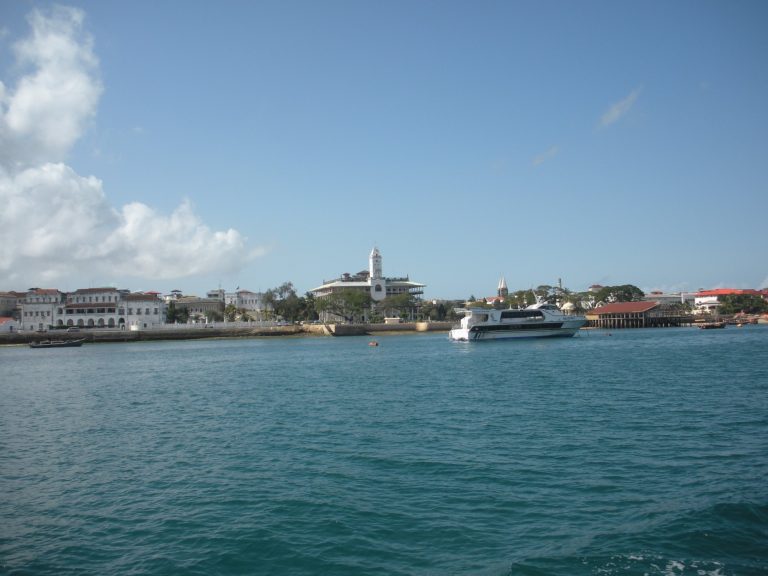

Savannah & Spice: Kenya, Tanzania & Zanzibar
by Ancient Africa Safaris Verified operator
From $9,990 per person
View Safari

15 Day Tanzanian Honeymoon Safari
by Insight Safari Holidays Verified operator

14 Days Southern Tanzania Safari & Zanzibar Beach
by Oree Safaris Verified operator


5 Days Zanzibar Beach Holiday
by Kori Safaris Verified operator
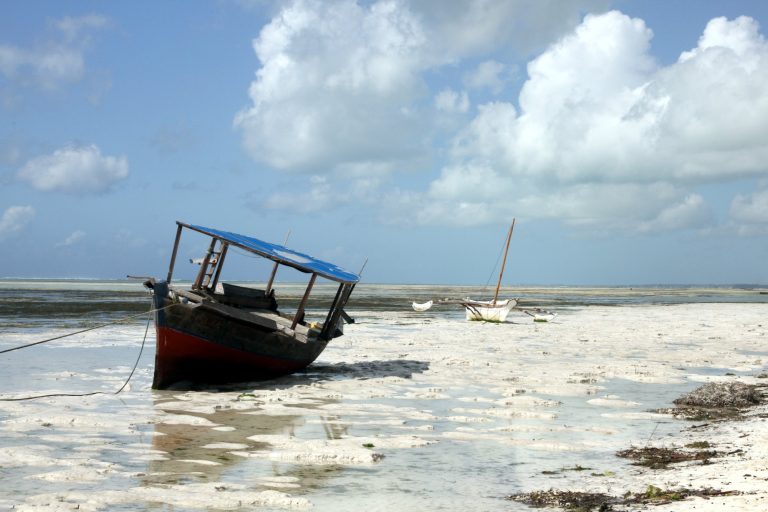
8 Days Tanzania Safari and Zanzibar Holiday | Bush & Beach
by Kori Safaris Verified operator
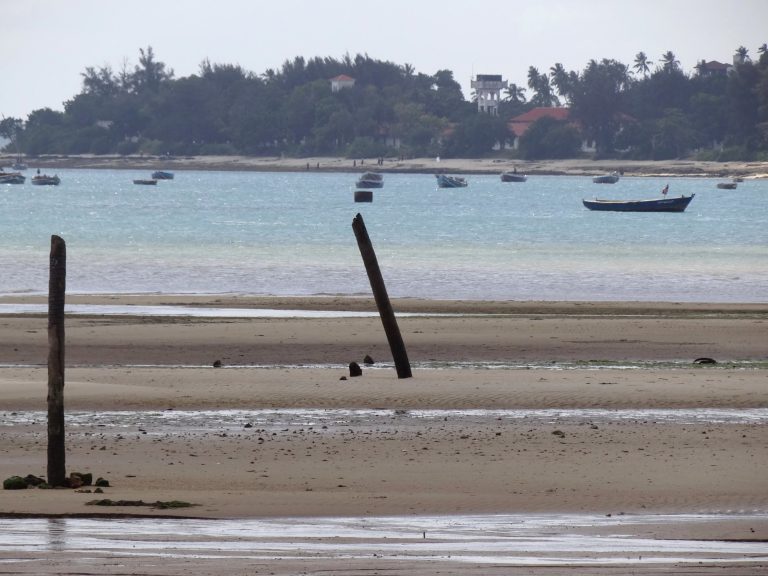
4 Days Zanzibar Island Safari | Stone Town, Beach & Spice Tour
by Kori Safaris Verified operator
See all 8 safaris that include snorkelling
A Guide to Snorkelling in Tanzania
Zanzibar Snorkel Spots
Seventeen snorkelling spots around Unguja, with the area, whether you reach them by boat or from the shore, the tide they need and how confident a swimmer you should be.
| Spot | Area | Access | Best tide | Swimmer | What it means for you |
|---|---|---|---|---|---|
| 01Mnemba AtollNorth east, off Matemwe | North east | Boat | Set by the boat | Easy on calm days | Leave early from Matemwe or Muyuni to beat the north coast boats; higher conservation fee |
| 02Chumbe Island Coral ParkSouth west of Stone Town | Stone Town area | Boat | Rangers decide | Easy, guided | Guided only with small numbers; book a couple of days ahead with the island |
| 03Prison Island (Changuu)5.5 km off Stone Town | Stone Town area | Boat | Set by the boat | Easy, but busy | Worn reef and heavy boat traffic near the rocks; afternoons are quieter |
| 04Bawe IslandChanguu Bawe area | Stone Town area | Boat | Set by the boat | Easy | Reef usually in better shape than Changuu; ask the skipper for it by name |
| 05Nakupenda sandbankWest of Stone Town | Stone Town area | Boat | Low tide | Easy | A sandbank swim over sand and small coral heads; no shade |
| 06Great Northern wreckOff Stone Town | Stone Town area | Boat | Set by the boat | Confident swimmers | Coral grown over a cable ship hull; go with a local skipper who knows the harbour traffic |
| 07Menai Bay and Kwale IslandSouth west, from Fumba | South and Menai Bay | Boat | Set by the boat | Easy | Full day by dhow with sandbank and lunch; sandbanks get crowded |
| 08KizimkaziSouth coast | South and Menai Bay | Boat | Set by the boat | Confident swimmers | Dolphin trip with a reef stop; pick a skipper who does not chase the pods |
| 09Tumbatu Island2 km off Nungwi | North coast | Boat | Set by the boat | Confident swimmers | More current than Mnemba; dress modestly ashore |
| 10Nungwi shore reefSouth of Nungwi village | North coast | Shore | Before low tide | Easy on calm days | Swim in the morning; boats and jet skis run close in after midday |
| 11Kendwa beachNorth west coast | North coast | Shore | Any tide | Easy | Small tidal range, so the easiest place to practise from the beach |
| 12Matemwe outer reefNorth east coast | North east | Boat | Set by the boat | Confident swimmers | Open sea 30 to 45 minutes out; can be rough on windy days |
| 13Kiwengwa rock poolsEast coast | East coast | Shore | Low tide | Easy, walking | A reef walk rather than a swim; wear reef shoes |
| 14Pongwe bayEast coast | East coast | Shore | Mid to high tide | Easy | Reef closer in than most of the east coast, a short swim out |
| 15PingweMichamvi peninsula | South east | Shore | Before low tide | Easy on calm days | Coral heads about 300 m out; sea urchins and a slippery platform |
| 16Blue LagoonMichamvi peninsula | South east | Shore or boat | Rising or high tide | Easy | Too shallow to swim at low water; often paired with lunch at the rock |
| 17Paje lagoonSouth east coast | South east | Shore | High tide only | Easy | Seagrass rather than reef; take a boat for the outer edge |
Last checked November 2026. Tide windows are typical for each spot and shift with spring and neap tides; check a local tide table the day before. Marine life sightings are never guaranteed. Swimmer level assumes calm conditions; any spot becomes harder in wind or current. Sources: Mnemba Island Marine Conservation Area and Zanzibar Ministry of Blue Economy and Fisheries notices, Chumbe Island Coral Park, Menai Bay Conservation Area records, Snorkeling Report spot surveys for Nungwi and Pingwe.
Mnemba Atoll Snorkelling Trips
A Mnemba snorkelling trip is the one most visitors take, and for fish life it is still the strongest reef around Unguja. Mnemba sits about 3 km off the north eastern corner of the island, a small private island ringed by an oval reef roughly 7 km long. Strictly it is not an atoll at all, though nobody on the boats calls it anything else.
Boats leave from Muyuni and Matemwe beach on the north east coast, a short run across the channel, or from Nungwi and Kendwa, which adds about an hour each way around the northern tip. Most trips stop at two reef sections in water a few metres deep, with time to look for green turtles and Moorish idols over the coral, or lionfish and starfish on the sand patches. Spinner and bottlenose dolphins pass through, and white tip reef sharks turn up over the deeper edges. Sightings are not guaranteed on any given morning.
Nobody but lodge guests may land. Since a marine special area came in, a restricted zone of 400 to 700 metres surrounds the island, with a daily cap on how many boats and visitors may enter it and no anchoring allowed. Day trips work the reef outside that line or inside it under the cap, and a separate, higher conservation fee applies here than at the other marine areas (the FAQ has the figures).
Crowding is the real drawback. A regional assessment found live coral cover on the eastern reef down to about 12%, with congestion from tourist and fishing boats named as the top threat, while fish numbers over that reef stay high. A coral nursery now runs on the house reef. In practice, leave early: the boats from the north coast arrive mid morning, and the first hour on the reef is the quietest. Trips from Matemwe get there sooner than anyone coming round from Nungwi.
Several trip reports describe swimmers standing on coral to clear their masks, and guides having to remind people over and over. Practise clearing a mask in the shallows before the boat leaves.
Chumbe Island Coral Park Snorkelling Tours
Coral condition is what sets a Chumbe Island snorkelling tour apart. The Chumbe reef, about 8 km south west of Stone Town, has been a fully protected no take zone since the 1990s, and the island counts more than 400 fish species and some of the best shallow coral left in East Africa.
It is run differently from everywhere else. Snorkelling is guided only, with park rangers taking guests out by boat over a reef roughly 1 km long. Scuba is banned inside the park, along with kitesurfing. Numbers are small, with only around 14 guests on the island at once, so day visits depend on lodge space and need booking a couple of days ahead, directly with the island.
Boats leave Mbweni, just south of Stone Town, at about ten in the morning and take around 45 minutes. At low water you may wade a short way to the boat, so wear sandals with a heel strap. Rangers set the snorkelling times each day around the tide and the weather, which suits nervous swimmers: life vests and children's masks are on the island.
Stone Town Island Trips: Prison Island, Bawe and Nakupenda
Stone Town's harbour islands give the easiest half day snorkelling trips in Zanzibar, and the weakest reefs. Prison Island, or Changuu, lies about 5.5 km north west of the town. Most visitors go for the giant tortoise enclosure, then snorkel a sheltered reef that shows years of heavy use. Mornings bring the cruise and tour crowds, so an afternoon slot is calmer.
Bawe Island sits in the same Changuu Bawe conservation area, a little further out, and its reef tends to be in better shape than Changuu's. Local skippers also know Murogo reef and the Great Northern wreck off the town, where coral and fish have grown over the hull.
Then there is Nakupenda. It is a sandbank, exposed at low tide and gone at high water, with no shade. The swimming off it is clear and warm, but the snorkelling is mostly over sand and small coral heads. Go for the bank, not the reef.
Two warnings from forum threads are worth repeating. Some boat crews claim the park forbids your own mask and snorkel; experienced snorkellers on those threads put it down to a rental upsell, so bring your own if it fits better. And Prison Island has heavy boat traffic close to its rocks, which matters more than the reef if you have children in the water.
Menai Bay and Kizimkazi Snorkelling Safaris
The Menai Bay Conservation Area covers about 470 km² of the south west coast, the largest marine protected area around Unguja, with mangroves and sandbanks around a string of small islands including Kwale and Pungume. A Menai Bay snorkelling safari is a full day by sailing dhow from Fumba, mixing two reef stops with a mangrove lagoon swim, a sandbank and a grilled seafood lunch on Kwale. Most trips run from about nine in the morning to mid afternoon.
The reefs here are coloured and fairly intact, though one specialist operator notes the corals near Fumba hold fewer fish than Mnemba. Copycat dhow trips have multiplied too, and on busy days twenty or more boats share the same sandbank.
Further east, Kizimkazi is the base for dolphin trips, with a reef stop added.
Indo Pacific bottlenose and Indian Ocean humpback dolphins both live in the bay. The humpback dolphin is listed as endangered, and one survey estimate counted as few as 19 in the bay in the area, with unregulated dolphin watching named as a pressure on them. Choose a skipper who keeps distance, cuts the engine and does not chase or drop swimmers on top of a pod. The dolphin watching listings cover that side of the trip. From the north coast, Kizimkazi is a drive of an hour and a half or more each way.
Humpback whales pass along this coast from July to October.
North Coast Snorkelling Trips: Tumbatu, Nungwi and Kendwa
Staying in the north gives the most reliable swimming on the island, because the tide here barely empties the beach. Kendwa stays swimmable all day, and Nungwi loses only a short strip of sand on its western side.
For shore snorkelling, the stretch just south of Nungwi village has sandy shallows of about 2 metres, then scattered coral and a sandy slope dropping to around 6 metres some 100 metres out. Clownfish live in the anemones of the shallows, with boxfish and puffers around them. Go in the morning, about one to two hours before low water, when the sea is calmest; boats and jet skis run fast and close inshore after midday, and there is no lifeguard.
A Tumbatu snorkelling trip is the quieter boat option, roughly 2 km north west of Nungwi. The reef holds batfish and ribbon eels, with more current than at Mnemba, so it suits confident swimmers. Tumbatu is a conservative Muslim island; cover up off the boat and ask before photographing anyone.
East Coast Lagoon Snorkelling Trips
East coast snorkelling trips depend on a reef that sits well offshore, with a wide flat of sand and seagrass between it and the beach. At low water that flat drains, in Chwaka Bay by more than a kilometre, and a lagoon you swam in at breakfast becomes a walk by lunch. The beaches below are listed from north to south.
Matemwe is the departure point for Mnemba, though its own offshore sites are open sea in 5 to 6 metres of water, 30 to 45 minutes out. Trip reports describe rough, cool water there and seasick passengers on wind days. Pongwe, a small bay between Kiwengwa and Uroa, has the reef closer in than most of this coast, so the tide withdraws less and snorkellable water is a short swim away, best from mid to high tide.
On the Michamvi peninsula, Pingwe has shore snorkelling over scattered coral heads about 300 metres out, at most 3 metres deep, entered from a concrete platform that is slippery and ringed with sea urchins. One specialist guide rates the hour or two before low water as best, while the sea is still deep enough to swim. Blue Lagoon, a small reef lagoon on the same peninsula, works the other way: it needs a rising or high tide, since at low water it turns too shallow to swim without kicking coral. Lunch at the restaurant on the rock is the usual add on.
Paje and the beaches south to Jambiani are kitesurf country. The lagoon is snorkellable only at high tide, mostly over seagrass, and for real reef you take a boat to the outer edge. At low tide the Kiwengwa rock pools reward a slow walk with reef shoes.
Set expectations against the brochures. Shore snorkelling on this coast shows starfish, urchins, small fish and the odd octopus, not the fish walls of Mnemba.
Reading the Tide Before a Snorkelling Trip
More Zanzibar snorkelling trips go wrong over the tide than over the weather. The island has a semi diurnal pattern, two highs and two lows a day, with high and low about six hours apart and both arriving roughly 30 to 50 minutes later each day. A spot that suited a nine o'clock swim on Monday will be awkward by Friday.
Spring tides, around new and full moon, have the largest range, over 3 metres. At springs the east coast flats drain furthest and fastest, and the channels through the reef run hard on a falling tide. Neap tides, in the quarter moon weeks, move about a metre and leave far more of the day usable.
Boat operators plan departures around the tide, not the clock, so a pick up time that looks odd usually has a reason. For shore snorkelling, ask the hotel for a printed tide table, or check one of the free online tables for Zanzibar the night before, and plan the swim inside the right window for that beach.
| Spot | Best tide | Why |
|---|---|---|
| Kendwa | Any | Small range |
| Nungwi shore | Before low, a.m. | Calm, clear |
| Pongwe | Mid to high | Reef close in |
| Pingwe | Before low | Reach coral |
| Blue Lagoon | Rising, high | Too shallow at low |
| Paje lagoon | High only | Flat drains |
| Nakupenda | Low | Bank exposed |
| Chumbe | Rangers decide | Guided only |
| Mnemba, Menai Bay | Set by boat | Offshore reef |
Two timings in that table come from single specialist guides and may differ by a stretch of beach. If the water is rough, the current strong or visibility poor, wait for the next tide.
Boat Trips Versus Shore Snorkelling Tours
Most visitors do one boat day and fill the rest with shore swims. Local fishing boats run cheaper and less crowded trips, but they carry less safety kit, so ask what is on board. Before paying anyone, ask how many people share the boat, whether a guide gets in the water, whether life vests are aboard and which reef it is actually going to.
Snorkelling Trips for Children and Non-Swimmers
You do not need to swim well to snorkel here, as long as the trip is set up for it. The non negotiables are a properly fitting buoyancy vest, a guide in the water with you, a sheltered site and a ladder or easy entry back onto the boat. Confirm all four before boarding rather than on the reef.
For a first try, Chumbe is the safest choice, guided and calm with kit sized for children kept on the island. Mnemba's shallow sections work on calm mornings. Kendwa, with its small tidal range, is the easiest place to practise from the beach. Prison Island looks easy on paper, but the boat traffic near its rocks argues for another site with young children.
A child sized mask that seals matters more than anything else in the kit bag, so pack one from home. Reef shoes protect against urchins on every shore entry, and a rash vest with a hat keeps the sun off backs during long floats. Current is the main hazard, and it is often invisible from the surface: agree where the boat will wait, enter up current and stay in sight of it.
Responsible Snorkelling Tours on Zanzibar's Reefs
Zanzibar's reefs have bleached three times in the last three decades, and the pressure from boats has grown since. Small habits on each trip add up across thousands of snorkellers a week.
Float, never stand. Coral that breaks under a fin took decades to grow, so stay horizontal, keep fins off the bottom and clear your mask in sand or deep water. Touch nothing and feed nothing. Leave shells where they lie, and never lift a starfish for a photo. Give turtles and dolphins space and let them leave first; never block their path or swim at them.
Choose boats that use mooring buoys and do not anchor on coral; eight buoys at Mnemba exist for exactly that reason. Use a mineral sunscreen or, better, cover up with a rash vest so you need less cream. Take every scrap of picnic rubbish off the sandbanks, since litter there is a known problem for the conservation areas.
The conservation fees added to trips fund rangers and patrols, so pay them knowingly. Where you have a choice, back the operators who brief guests before they get in.
Best Months for Zanzibar Snorkelling Trips
Snorkelling runs all year, with the calmest water from December to March. The long rains in April and May bring rough seas and poorer visibility, and some boat operators and hotels close. From June to September the trade winds blow, so exposed east coast reefs get choppy while sheltered sites on the west and north stay good.
| Month | Weather | Sea | Verdict |
|---|---|---|---|
| Jan | Hot, dry | Calm | Best |
| Feb | Hot, dry | Calm | Best |
| Mar | Humid | Mostly calm | Good |
| Apr | Long rains | Rough | Avoid |
| May | Long rains | Rough | Avoid |
| Jun | Dry, cooler | Windier | Good in shelter |
| Jul | Dry, cooler | Windy east | Good in shelter |
| Aug | Dry, cooler | Windy east | Good in shelter |
| Sep | Dry | Easing | Good |
| Oct | Dry, warming | Settling | Very good |
| Nov | Short rains | Variable | Mixed |
| Dec | Hot | Calm | Very good |
Pick the month first, then the base. A July trip should lean on the north coast and the sheltered west, whereas February opens up the whole east coast.
Pemba, Mafia and Scuba Trips Beyond Unguja
Misali Island off Pemba has coral walls and large groupers over stronger currents, and works as a two or three night extension rather than a day trip. Mafia Island, part of mainland Tanzania, is where people swim with whale sharks from October to February; the whale shark listings cover those trips. Deeper sites such as Leven Bank are for scuba, which has its own guide on this site.
Snorkelling in Zanzibar: Frequently Asked Questions
Where is the best snorkelling in Zanzibar?
Mnemba Atoll for fish and turtles, Chumbe Island Coral Park for coral, and Menai Bay for a long dhow day. All three need a boat. From the beach, Nungwi and Kendwa in the north are the most reliable.
What do the marine park fees and gear hire cost?
The Mnemba marine special area charges US$25 per adult and US$10 per child aged 5 to 15 for visitors from outside East Africa. Since 1 September the other marine conservation areas, including Menai Bay, Chumbe and Changuu Bawe, charge US$10 per adult and US$5 per child a day. Under fives are free, and operators usually add the fee to the trip price. Snorkel gear hire runs at around US$5 to US$12 a day. Every visitor to Zanzibar also pays the mandatory US$44 Zanzibar Insurance Corporation cover.
Can you snorkel in Zanzibar from the beach?
Yes, at Nungwi, Kendwa, Pongwe and Pingwe, and at high tide in the east coast lagoons. Expect seagrass and small coral heads rather than full reef, and time the swim to the tide.
Why does the sea disappear on the east coast?
A wide reef flat lies between the beach and the outer reef, and it drains at low tide, by more than a kilometre in places at spring tides. The water returns about six hours later.
Is snorkelling in Zanzibar safe for children and non-swimmers?
Yes on a trip with buoyancy vests, a guide in the water and a sheltered site. Chumbe is the best first choice. Avoid busy boat channels and sites with current for young children.
Should I bring my own snorkel mask?
Yes if you plan more than one swim. A mask that seals well matters more than anything else, rental fit varies, and no marine park rule stops you using your own.
Is Mnemba worth it given the crowds?
For fish life, yes. Leave early from Matemwe or Muyuni to beat the boats from the north coast, and pick an operator that moors on a buoy rather than anchoring.
Will I see dolphins and turtles on a Zanzibar snorkelling trip?
Green turtles are common around Mnemba and Chumbe, and dolphins live in Menai Bay and pass Mnemba. Neither is guaranteed. Skip operators who chase dolphins or promise a swim with them.
Tanzania Safari.travel is a marketplace for Tanzania safaris and beach trips run by independent tour operators. Compare the snorkelling listings or the sandbank and island hopping trips, then send your dates and the reefs you want straight to the operator. Enquiries go to the operator directly, and there is no booking fee.