
Scenic Flights in Tanzania: When the View Is Worth Buying Separately
Light aircraft and helicopter flights over Kilimanjaro, the Rift Valley lakes, the Serengeti and the archipelago, sometimes as a transfer leg and sometimes flown for the view alone.
A scenic flight is one you take for the view and land back where you started, and in Tanzania there is really only one that is unarguably worth buying on its own: the circuit around Kilimanjaro, because no transfer flight goes there and no road gets you the angle. Almost everywhere else, the light aircraft hopping you between airstrips already delivers the aerial view as part of the journey — the Serengeti from a thousand feet, the Rift wall, the crater highlands. Knowing which is which saves money and disappointment.
Safaris That Include Scenic Flights
 Photograph by Christoph Strässler from Oberdorf BL, Schweiz, licensed under CC BY-SA 2.0

15 Day Tanzanian Honeymoon Safari
by Insight Safari Holidays
 Photograph by Daniel Rosengren, licensed under CC BY 4.0
5 Day Fly in Safari Tanzania Adventure
by Insight Safari Holidays
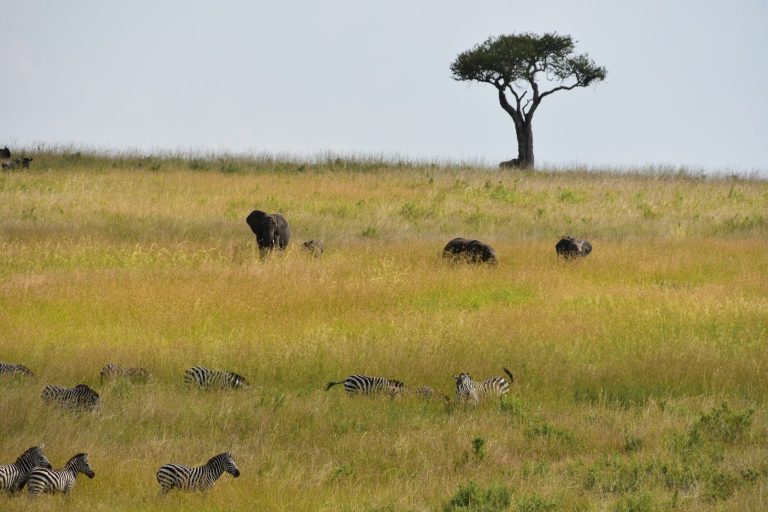 Photograph by Richard Mortel from Riyadh, Saudi Arabia, licensed under CC BY 2.0
9 Days Tanzania Safari Holiday
by Insight Safari Holidays
 Photograph by Marco Zanferrari, Verona, Italy, licensed under CC BY-SA 2.0

14 Days Tanzania Grand Safari | North, South TZ & Zanzibar
by Kori Safaris
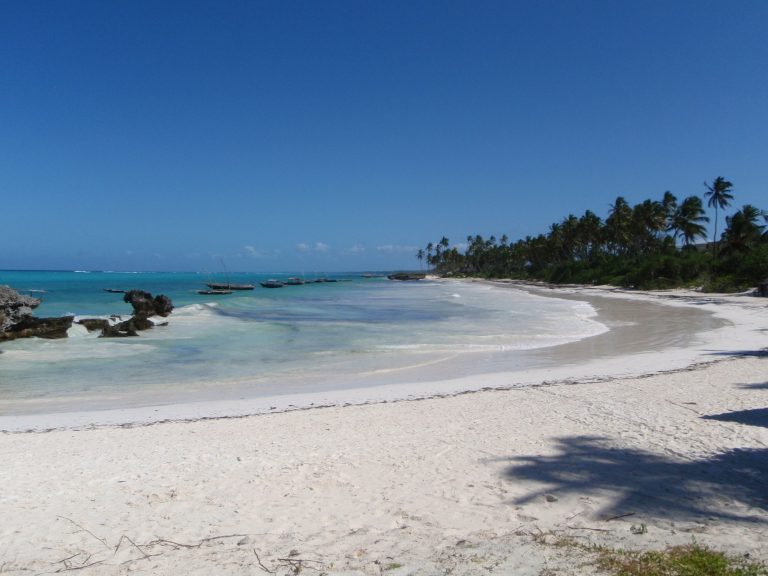 Photograph by Olivier Lejade from France, licensed under CC BY-SA 2.0
5 Days Zanzibar & Tanzania Safari | Beach & Wildlife Holiday
by Kori Safaris
 Photograph by Marco Zanferrari from Doha, Qatar, licensed under CC BY-SA 2.0
10 Days Tanzania Safari & Zanzibar Holiday, Beach & Wildlife
by Kori Safaris
See all 15 safaris that include scenic flights
Scenic Flights Guide in Tanzania
What Counts as a Scenic Flight
A scenic flight is a flight taken for what you can see from it, which returns you to the airfield you left. That is a narrower thing than it sounds, and separating it from the rest of Tanzania's light aviation is the most useful service this guide can perform.
Tanzania has an unusually busy small-aircraft network because the distances between parks are large and the roads between them are slow. Most visitors who get an aerial view of the country get it from a transfer — a scheduled light aircraft hop between airstrips — rather than from a sightseeing flight. Those transfers are a way of travelling rather than an activity, and they are covered on the site as a type of trip rather than as a thing to do.
The practical question, then, is not "should I take a scenic flight" but "will I already be getting this view, and if so, which views am I missing?"
The View You Get Anyway
Light aircraft in Tanzania fly low by airline standards, on unpressurised turboprops, often with a handful of passengers and a clear view forward past the pilot. The flying is a large part of what people remember.
Several of the best aerial sights in the country come free with a transfer you were taking regardless:
- The Serengeti from low level — the scale of the plains only resolves from the air, and in migration season the herds are visible as a texture across the grass that no ground-level view conveys. Seronera is the park's main airstrip and the network reaches Kogatende in the north, Lobo in the east and Ndutu in the south, so most Serengeti itineraries involve at least one of these.
- The Rift Valley escarpment, crossed on almost any northern routing, with the wall dropping away and the soda lakes beneath it.
- The crater highlands, where the whole volcanic complex — the craters, the forest and the open grazing between them — reads as one landform from the air in a way it never does from a track inside it.
- The southern parks — flying into Msembe for Ruaha or over the Rufiji system into Nyerere shows the river geometry that defines both parks.
- The coast and the channel, on the run out to Unguja, Pemba or Mafia, where the reef systems and sandbanks are visible through the water.
If your itinerary already contains flights, you have most of this. Sit by a window, ask which side the view will be on, and keep the camera accessible rather than in the hold.
The Flight Actually Worth Buying: Kilimanjaro
The exception, and the one genuine case for a dedicated scenic flight, is Kilimanjaro.
Nothing else in Tanzania gives you this. The mountain stands alone above the plain with nothing near its height for hundreds of kilometres, so from the air it is a single enormous object rather than part of a range — the snow and ice on the summit plateau, the crater itself, the ash cone inside it, and the sheer drop of the southern glaciers. From the ground you see a shape in the haze. From a climbing route you see the few hundred metres around you. From the air you see the mountain.
Flights go from the airfields around Arusha and Moshi, including the strip on the mountain's western side, and no scheduled transfer takes this line. It is the one aerial view in the country you must buy deliberately.
Two practical points. Cloud governs everything — the mountain builds its own weather and is frequently invisible by mid-morning, so flights go early and get cancelled or turned back without much notice. And how close an aircraft may go to the summit varies with operator and permission, so ask what the flight profile actually is rather than assuming you will circle the crater.
Other Flights Sold for the View
- Crater and highlands circuits from the Arusha side, taking in the Ngorongoro complex and often Lake Natron, where the colour of the lake and the cone of the volcano above it are the draw.
- Coastal and island flights over the reefs, sandbanks and channels off the Zanzibar archipelago. Best at low tide with the sun high, when the sandbanks and coral show through the water.
- Helicopter charter, which is a different product again — slower, lower, able to hover and able to land where a fixed-wing aircraft cannot. It is the only way to get certain views, and it is the most weather-tolerant option because it can fly beneath cloud that grounds a light aircraft.
For the other well-known way of seeing the Serengeti from above, which is a different activity with a different feel and its own logistics, see balloon safaris.
When to Fly
Early. Almost always early.
Air over Tanzania is clearest and smoothest in the first hours after dawn. Through the morning the ground heats, convection builds, cloud forms over high ground and the ride becomes bumpy and the visibility poor. By early afternoon in the wet months the mountains are routinely obscured and the flying is uncomfortable.
By season:
- Roughly June to October — the most reliable flying weather, clearest air, fewest cancellations. Dust haze builds late in the dry season and can soften distant views.
- Roughly January and February — good, often clear, and hot enough that afternoon turbulence arrives early.
- Roughly March to May — the long rains. Expect cancellations and expect Kilimanjaro to be in cloud on a substantial proportion of mornings.
- Roughly November to December — the short rains, generally workable with clear mornings and unsettled afternoons.
Build a spare morning into the plan if a Kilimanjaro flight matters to you. A single fixed attempt will fail often enough to be a poor bet. Those windows are the northern highlands' own, and the south and west run a different rainfall calendar altogether.
What Flying in a Light Aircraft Is Actually Like
- They are small. Often a single-engine or light twin turboprop with a handful of seats. Everybody has a window and somebody sits next to the pilot.
- They are noisy and unpressurised. Headsets or ear protection are usually offered. Take them.
- They are bumpy after mid-morning. If you are prone to motion sickness, fly early and take something beforehand.
- Baggage is restricted by shape as well as weight. Soft bags only, effectively without exception — a hard suitcase will not go into the hold of a bush aircraft. Get the actual allowance from the carrier rather than assuming an airline figure, since the allowances the bush carriers publish differ from one another and include hand baggage.
- You may be weighed, along with your bag. This is normal, it is a loading requirement, and it is not personal.
- Routings change. Bush flights make intermediate stops depending on who else is travelling, so a short hop can involve two or three landings. This is usually a bonus for the view.
- Airstrips are airstrips. Grass or dirt, a windsock, sometimes a shade structure. Animals on the runway are a genuine reason for a go-around.
Photography From the Air
The aerial shots people want are harder than they look and a few things decide whether they work.
- Shoot with a fast shutter speed. Airframe vibration ruins more aerial photographs than anything else.
- Do not rest the lens or your elbows against the window or the fuselage — that transmits vibration straight into the camera.
- A polarising filter cuts window glare and haze, but it interacts badly with some aircraft windows, so check on the ground.
- Wear dark clothing. Light clothing reflects in the window and appears across the frame.
- Ask the pilot which side the subject will pass. They will nearly always tell you, and often position for it.
- Drones are prohibited in Tanzania's national parks and conservation areas. This is enforced and the penalties are serious. Do not bring one expecting to use it over a park.
For wildlife photography generally, see photographic safaris.
Questions Travellers Ask
Is a scenic flight worth it if I already have flights in my itinerary?
Usually not, except for Kilimanjaro. Transfers between airstrips already deliver the Serengeti, the Rift escarpment, the crater highlands and the coast from low level. Kilimanjaro is the view no transfer gives you.
Can you fly around the summit of Kilimanjaro?
Flights operate around the mountain from the airfields near Arusha and Moshi, but how close an aircraft may approach the summit varies with the operator and with permission. Ask what the flight profile actually is before booking rather than assuming you will circle the crater.
What time of day is best?
Early morning, almost without exception. The air is clearest and smoothest after dawn; by late morning convection builds cloud over high ground and makes the ride rough and the view poor.
How likely is a cancellation?
High enough to plan around, particularly for Kilimanjaro and particularly during the long rains from roughly March to May. The mountain generates its own cloud. Leave a spare morning if the flight matters.
What baggage can I take?
Soft bags only — a hard suitcase will not fit in a bush aircraft hold. Weight limits are strict and vary by carrier and aircraft, so get the figure from the carrier rather than assuming an airline allowance. Expect to be weighed with your bag.
Can I use a drone instead?
No. Drones are prohibited in Tanzania's national parks and conservation areas, and the prohibition is enforced.
Are light aircraft flights suitable if I get airsick?
They are bumpier than airline flying, especially after mid-morning. Fly early, take medication beforehand rather than when you start to feel unwell, and ask for a forward seat.
What is the difference between a scenic flight and a balloon safari?
A balloon drifts low and silently over one area at dawn and lands wherever the wind takes it; an aircraft covers far more ground, goes higher and returns to its airfield. They are different experiences rather than alternatives, and the balloon has its own guide.