
The other island
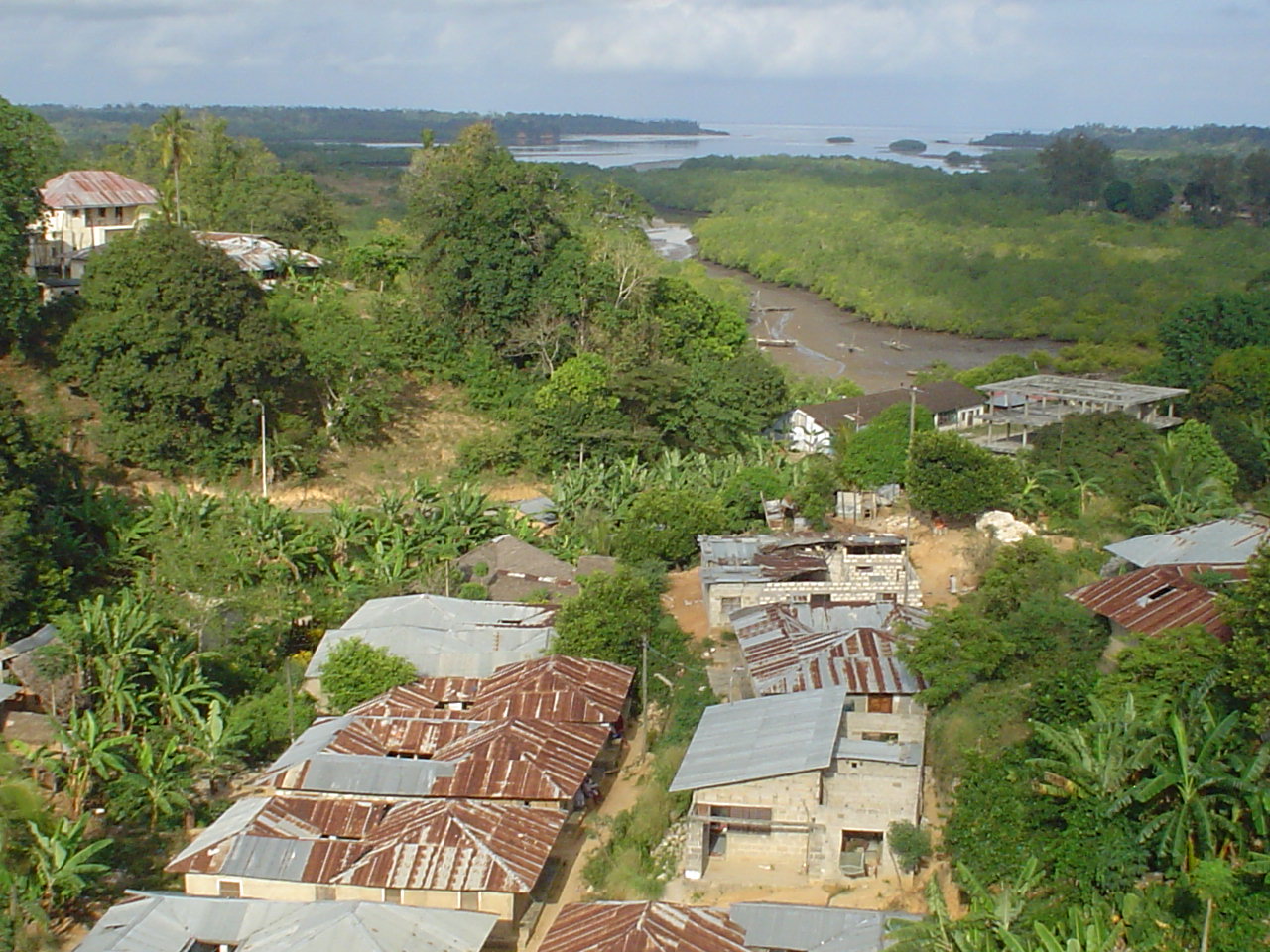
Pemba is the northern island of the Zanzibar archipelago, and it is not a quieter version of Unguja. It is a different place: hillier, greener, far less developed, agricultural rather than touristic, and — underwater — considerably more serious.
Its land area is around 988 square kilometres. It lies north of Unguja, with sources giving the gap as about fifty kilometres and some putting it nearer sixty, and roughly fifty kilometres east of the Tanzanian mainland across the Pemba Channel. The Arabic name for it, al-Jazīra al-khadrāʔ, means the green island, which is the first thing anyone notices on the approach.
The geology explains the diving. Pemba is surrounded by relatively deep water and is thought to have separated from the mainland along the Pemba rift something in the order of ten million years ago. It is not a coral platform sitting on a shallow shelf the way much of Unguja’s coast is. The channel between it and the mainland drops away sharply, and that is why the island’s west-coast passes produce walls, current and blue-water encounters that the other islands rarely deliver.
Like the rest of this coast, Pemba sits beside Tanzania’s safari country rather than inside it. A visit here is its own trip, and a short one bolted onto a packed itinerary generally does not work, for reasons of logistics set out below.
The island itself
Pemba is fertile almost everywhere except a strip along the eastern coast. Most of it is small-scale farming, with cloves as the cash crop: rice, coconut, bananas, cassava and red beans fill in around them. The clove plantations are the landscape, and they are the reason the island smells the way it does in harvest season.
A point worth knowing before booking a spice tour anywhere in the archipelago: most of Zanzibar’s cloves grow on Pemba rather than on Unguja, where nearly all the spice tours actually run. Published figures for Pemba’s share range from a little over half to around eighty per cent depending on the source and the year, so no single number should be trusted, but the direction is not in dispute.
Three towns matter. Chake Chake, centrally placed on a mound above a bay looking west towards Misali, is the administrative centre and the island’s airport town. Wete, in the north, is the largest. Mkoani, in the south, is the ferry port. Tides decide when a dhow can get into Chake Chake’s harbour, which tells you most of what you need to know about the pace of the place.
The island has a large Arab community descended from Omani settlement, alongside the Waswahili population and a substantial number of people who identify as Shirazi. It is overwhelmingly Muslim. It also has a long-standing reputation as a centre of traditional medicine, which historically brought it more visitors than tourism did.
Diving, which is the reason most people come
Pemba is the island for divers who already dive. The west-coast gaps and passes produce wall diving and current, and the fish life reflects water that sees comparatively few boats.
Misali, a small island off the west coast inside the Pemba Channel Conservation Area, where it is a no-take zone, is the best-known reef and one of the few places in Tanzania with a published long recovery record. The 1998 bleaching event killed between sixty and ninety per cent of the coral there; by 2009 the no-take zone had climbed back to eighty-two per cent coral cover. That is a rare thing to be able to say about a reef in this ocean, and it is an argument for protection as much as a description of a dive site.
Two honest caveats. First, sites such as the Pemba passes are not graded for enthusiasm — anyone drawn here by the reputation should be candid with themselves about where their certification and their current experience actually sit. Second, Pemba has far fewer dive centres than Unguja and far fewer flights, which is part of what keeps it good and also why an unplanned Pemba trip is harder to assemble than an unplanned Unguja one. The detail is in the diving guide.
Snorkelling here is thinner than the diving, because the island’s character is steep and deep rather than shallow and flat. Misali is the exception: parts of it are shallow enough to snorkel, and it has landing beaches as well as reef, which makes it the standard boat day.
What else the water gives
The Pemba Channel has a long reputation for billfish and is credited with six species — black, blue and striped marlin, sailfish, broadbill swordfish and spearfish — which is an unusual spread for one body of water. Yellowfin and dogtooth tuna, wahoo, kingfish, giant trevally, barracuda and dorado are all regular. What a fishery contains is not a prediction of your day, and the deep-sea fishing guide sets out why published month windows for billfish here should be treated sceptically.
Turtles nest on Misali: a survey in 1999 logged fifty-two green turtle nests and fourteen hawksbill nests there. Nesting beaches are not signposted attractions and access, where it exists, runs through monitoring programmes, which is covered in the sea turtle guide.
Humpback whales are seen off Pemba in the middle and later part of the year, most often named as August and September, but every source available for those months is an operator page and they disagree with each other. Tanzania’s only whale season stated by a managing authority is in the far south. The whale watching guide explains why this page will not give you a hard window. Bottlenose dolphins occur around the island without an organised industry attached, which is covered — along with why that matters — in the dolphin watching guide.
The island’s indented west coast has mangrove creeks that paddle well and see very little traffic, covered in the sea kayaking and mangrove tours guides. Whale sharks are recorded off Pemba but as chance encounters rather than a season; the predictable aggregation is at Mafia, and the whale shark guide is clear about the difference.
On land
Ngezi, in the north-west, is the last substantial indigenous forest on the island and the reason birders come. Pemba has four endemic birds, which makes it the single most efficient endemic stop in Tanzania for anyone working a list — the birdwatching guide covers the species and the logistics, and forest walks covers the reserve itself.
The Pemba flying fox, a large fruit bat found nowhere else, is the island’s other wildlife draw, and the honest position on it has changed. A 2024 survey found 72.5 per cent of the population now roosting in urban centres, with the colonies at Chake Chake and Wete alone holding nearly fifty-nine per cent of all the bats on the island, while the forest roost at Kidike — long the place visitors were taken — fell from about 4,978 animals in 2008 to 1,491. The species itself has not declined — the island-wide population rose to between 25,328 and 27,412 in 2024 — but a forest sanctuary visit may show far fewer bats than the reputation suggests.
Pemba also holds a set of ruined Swahili settlements, notably at Ras Mkumbuu and Pujini, which belong to the same Indian Ocean trading world as Stone Town and the mainland ports. The archipelago’s clove plantations consumed enslaved labour on a large scale from the 1820s, and that history is set out in the slave trade history guide. The wider Swahili coast is covered in the Swahili cultural tours guide.
Getting here, which is the real constraint
Pemba is reliably reached from Unguja, by a short flight of about ninety minutes’ total journey or by sea. There is also an airport serving Chake Chake.
Direct Dar es Salaam to Pemba, and Tanga to Pemba, both appear in operator route menus. When those were checked in September 2026, no date over the following weeks could actually be booked on either. They are advertised; they were not bookable. Confirm any direct routing with the carrier itself rather than planning around a published route map. The rail and ferry journeys guide covers the sea options and the same caution applies there.
Once on the island, accommodation is limited and clustered, and there is no resort strip in the Unguja sense. Flights and the ferry that serve it are covered in the guide to reaching Tanzania’s islands. That is the point of Pemba, and it is also why it needs booking further ahead than the scale of the island suggests.
When to come
Pemba is on Tanzania’s bimodal rainfall pattern. The Tanzania Meteorological Authority puts the long rains, masika, at March to May, and the short rains, vuli, at October to December — October, not November, which is the shorthand most travel copy still uses.
Over that sit the two monsoons. The kaskazi, the north-easterly, runs roughly December to March and is the lighter wind, and it gives the calmest and clearest water. The kusi, the south-easterly, runs roughly June to September, stronger and cooler, and makes exposed sites choppy. April and May sit at the wet end of masika and a number of coastal operations close for part of them.
Pemba has wind but almost no kite schools, rental or rescue cover, so it is not a substitute for the east coast of Unguja if wind sports are the point of the trip. The kitesurfing guide is explicit about that.
Practical notes
Pemba is more conservative than Unguja and far less used to visitors. Dress covered away from a hotel beach — shoulders and knees — and expect that to be noticed and appreciated rather than demanded. During Ramadan, local restaurants largely close in daylight hours.
Reef shoes for any wading, as everywhere on this coast: urchins in the rubble, and stonefish and scorpionfish in small numbers and very well camouflaged.
Schistosomiasis is a freshwater infection and is not acquired in the sea, so sea swimming here raises no bilharzia question at all.
Pemba is part of Zanzibar for immigration purposes, so the archipelago’s separate entry administration and its compulsory inbound insurance apply here as they do on Unguja — see the guide to Zanzibar’s entry rules and paperwork. Bring what you need. Pemba does not have the supply chain Unguja has, and specialist items — dive kit spares, particular medication, camera batteries — are not reliably replaceable on the island.
Common questions about Pemba
Is Pemba better than Zanzibar?
They are different products rather than better and worse. Unguja has the choice, the logistics, the town and the beaches. Pemba has the walls, the current, the green hills and very few people. If the water is the point and you already dive, Pemba is the stronger island. If you want a beach in the postcard sense, it is not.
How do I get to Pemba?
Reliably from Unguja, by short flight or by sea. Direct Dar es Salaam and Tanga routings are advertised, but when checked in September 2026 no date over the following weeks was bookable on either. Confirm with the carrier rather than assuming a published route runs.
Is the diving suitable for a beginner?
Some of it. But the sites Pemba is known for involve walls, depth and current and are not graded for enthusiasm. There are far fewer dive centres here than on Unguja, so there is less capacity to run a separate shallow programme alongside them. Be honest about your certification and your recent experience.
Will I see the Pemba flying fox?
Possibly, but the picture has shifted. A 2024 survey found nearly three-quarters of the population now roosting in urban centres, with Chake Chake and Wete holding almost fifty-nine per cent between them, while the forest roost at Kidike fell from about 4,978 animals in 2008 to 1,491. The island-wide population rose over the same period, so this is redistribution rather than decline. The forest roosts at Ngezi hold hundreds rather than thousands.
Does Pemba have beaches?
It has beaches, but few in the postcard sense and no resort strip. The island’s character is hilly, green and indented rather than long and sandy. A beach holiday here is a quiet one by definition.
Can I do Pemba as a day trip from Zanzibar?
It is the wrong shape for one. Accommodation is limited and clustered, flights are few, and the things worth doing — diving, Ngezi, Misali — each take most of a day on their own. Treat it as a separate stay rather than an excursion.
When is the best time to dive Pemba?
Broadly the lighter kaskazi months, around December to March, when exposed sites are calmest and clearest. The kusi from roughly June to September makes them choppy. April and May fall at the wet end of the long rains and a number of operations close for part of them.

