
Hadzabe Cultural Visits Tanzania
Time with Hadzabe hunter-gatherers around Lake Eyasi, usually joining a morning foraging walk. A community under severe land pressure, and a visit format where the terms of the arrangement matter more than almost anywhere else in Tanzania.
A Hadzabe tribe visit means a few hours before and just after dawn with one of the small hunter gatherer camps around Lake Eyasi, in the hot Rift Valley basin roughly two hours by dirt road southwest of Karatu in northern Tanzania. You follow bow hunters on foot, watch women dig wild tubers and see fire made from two sticks, and most tours add a Datoga blacksmith before lunch. How real the hunt feels depends on who arranges the morning.
Safaris That Include Hadzabe Cultural Visits
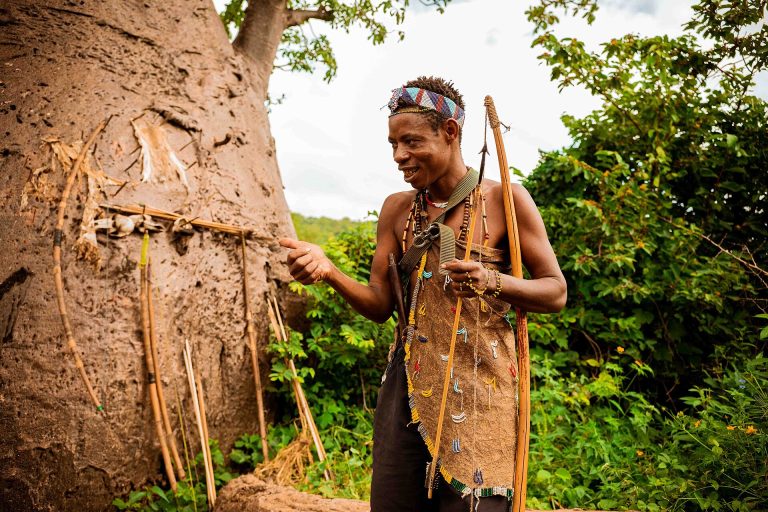

10 Days Wildlife Tanzania & Culture Safari
by Insight Safari Holidays Verified operator
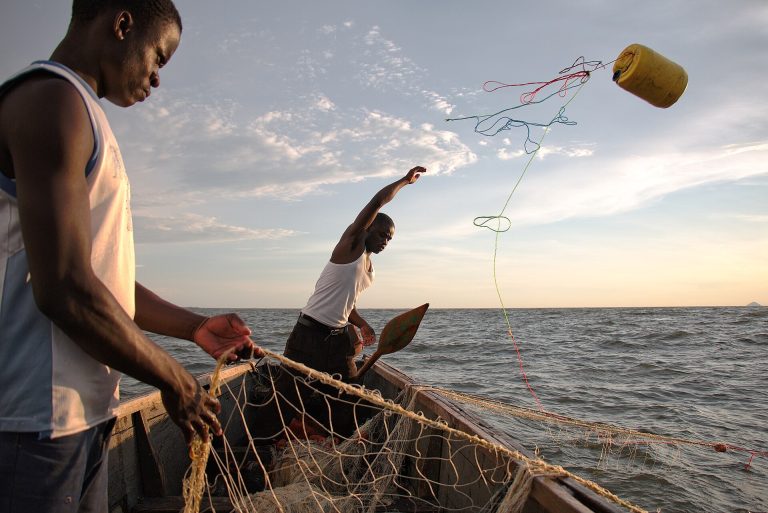
8 Day Fishing Package Tanzania
by Insight Safari Holidays Verified operator
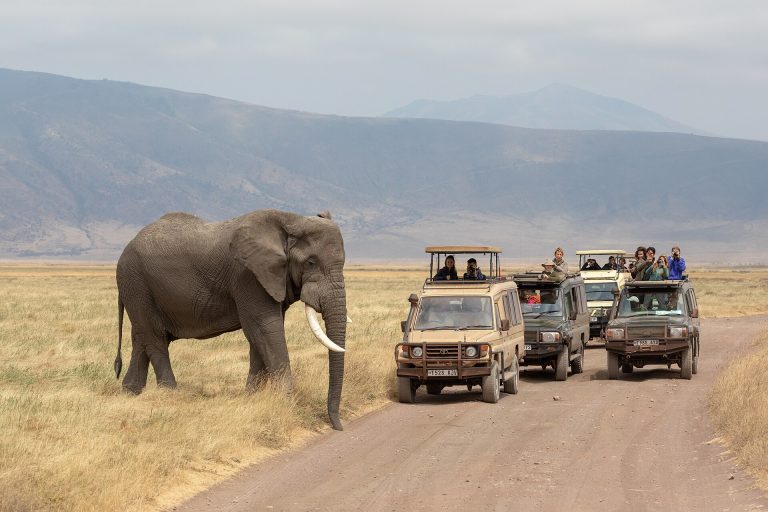
12 Days Wildlife Photography Tour Tanzania
by Insight Safari Holidays Verified operator
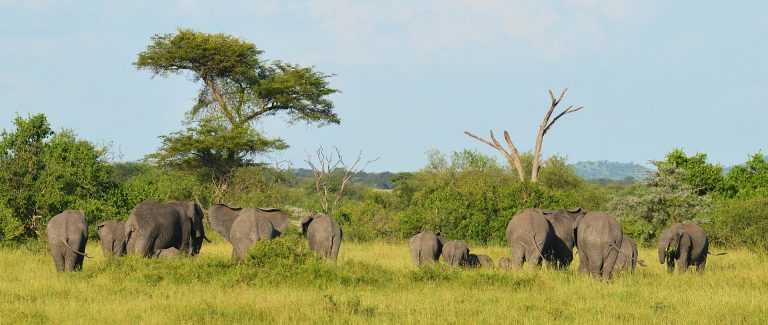
12 Day Safari in Tanzania Expedition
by Insight Safari Holidays Verified operator
5 Days Tanzania Cultural Experience
by Insight Safari Holidays Verified operator
Hadzabe Cultural Visits Guide in Tanzania
Hadzabe Cultural Tours at Lake Eyasi: Who You Are Visiting
The Hadzabe, also called the Hadza, live in the dry thorn and baobab country around Lake Eyasi, a shallow soda lake on the Rift Valley floor at about 1,030 metres, well below the Ngorongoro highlands. They speak Hadzane, whose clicks led early linguists to group it with the Khoisan languages of southern Africa. It is now treated as an isolate. Genetic studies also set them apart from the San of the Kalahari, a comparison almost every tour page still makes.
Numbers are small. Most counts land around 1,200 to 1,300 people, and the Tanzanian estimate repeated by travel writers puts the full time foragers at about 400. The rest live in villages, farm a little, go to school or work in Mang'ola. So the camp you visit on a Hadzabe cultural tour is one strand of a community that also owns mobile phones and football shirts, and has lived beside farming and herding neighbours for centuries.
Land frames all of it. The Hadzabe have lost an estimated 90 percent of their ancestral range within living memory to farms, cattle and settlement. Since 2011, communal land titles called Certificates of Customary Right of Occupancy have secured part of what remains, chiefly in the Yaeda Valley to the southeast. Those titles, not tourism, are the community's firmest protection.
The Morning Hunting Walk With Hadzabe Hunters
The Hadzabe hunting walk is the reason most people book, and it is the part that varies most from one morning to the next. Your driver collects you in the dark, meets a local Mang'ola guide who knows which camp is receiving visitors that day, and drives the last stretch on sandy tracks into the bush. Camps move with the water and the game, so there is no fixed address. You usually arrive to find men sitting round a small fire, warming arrow shafts, smoking a clay pipe and straightening bowstrings.
Then the hunters stand up and go. A few young men head into the scrub with long bows strung with animal tendon, and you follow at their pace, which is fast and quiet and pays no attention to paths. Dogs often trot alongside, a habit the Hadzabe borrowed from neighbouring peoples. The hunters read tracks, whistle to each other, freeze, then sprint. Expect to push through thorny acacia scrub, duck under branches and stop dead when someone raises a hand.
On a tourist morning the catch is mostly birds, hyrax, squirrels, mongooses or a small monkey. Impala and kudu sit on the Hadza menu alongside baboon and bushpig, and arrows for big game carry a poison boiled from the branches of the Adenium shrub. Large animals rarely fall while a vehicle of visitors waits. And in the dry season, serious hunting often happens at night, with men lying in wait beside waterholes for animals coming in to drink. A dawn walk with guests sees the daytime, small game end of a much larger skill.
Trip reports split cleanly. Some travellers describe following a few young men for nearly three hours as they chased birds and mongooses, paying the visitors almost no attention, and call it the most absorbing morning of their trip. Others felt the whole thing ran too smoothly: hunters in branded shorts, a catch produced within the hour, people who knew exactly where to stand for photographs. Both can be true of the same camp on different days.
You may come back with nothing. That is a good sign, not a failed tour. Back at camp, whatever was caught goes onto the coals with its feathers on, and you will usually be offered a piece. Most mornings end with a go at archery against a target, and visitors who have tried it agree the bows are far harder to draw than they look.
Foraging, Honey and Fire Making on a Hadzabe Tour
Ask to spend part of the morning with the women. On a Hadzabe foraging tour they walk out in a larger group with digging sticks to lever up tubers, gather berries and baobab fruit in season, and point out plants used as medicine. It is slower and less photogenic than the hunt, which is exactly why it gives a truer picture of what feeds a camp: tubers, fruit and honey make up most of the diet in the wet months.
Honey is the men's prize. Hadza hunters work with the greater honeyguide, a small bird that leads people to bee nests; the men whistle and tap trees to keep its attention, then smoke out the bees and chop into the trunk. Seeing this is luck, not a scheduled item, and any operator who promises it is overselling.
Fire making is the one demonstration you can count on. A man spins a hardwood drill between his palms against a softer stick, a pinch of dry grass catches the ember, and the flame takes less than a minute.
Datoga Blacksmith Tours Near Mang'ola
Almost every Lake Eyasi programme pairs the Hadzabe with a Datoga blacksmith tour. The Datoga are Nilotic cattle herders who live across the Eyasi basin and the Hanang highlands; the Barabaig are their best known group. Visitors will hear them called Mangati, a name given by neighbours rather than their own, and it is better not to use it.
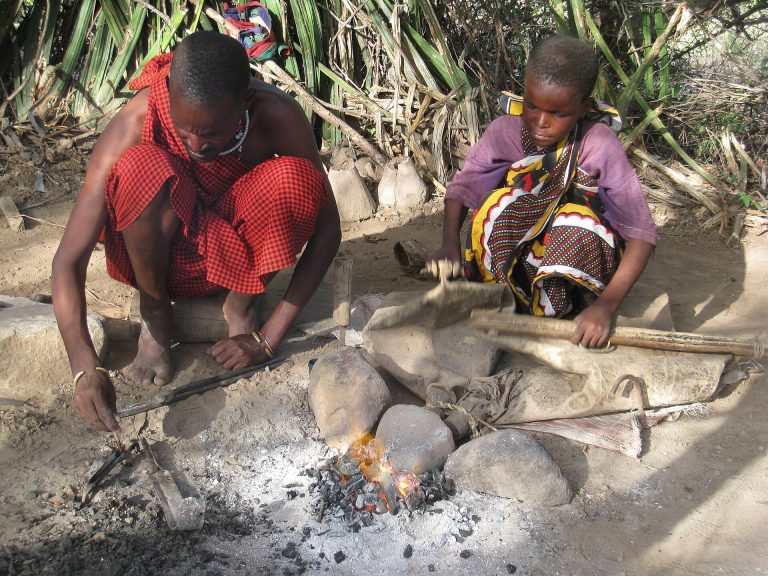
The stop happens at a homestead near Mang'ola. A smith heats scrap brass and other metal over a charcoal fire kept hot with hand bellows, then hammers the metal into bracelets, rings and arrowheads. Those arrowheads link the two visits: Datoga smiths have long supplied Hadza hunters, who trade honey and meat for them.
| Feature | Hadzabe camp | Datoga homestead |
|---|---|---|
| Way of life | Foraging | Cattle herding |
| Language | Hadzane | Datooga |
| Main activity | Hunting walk | Smithing demo |
| Time needed | 2 to 4 hours | About 1 hour |
| Fitness | Brisk bush walk | Sit and watch |
| Craft to buy | Bows, arrows | Brass jewellery |
Half an hour tacked onto the end of a hunting morning is a thin way to meet a people with their own long story, including the loss of key grazing land to a state wheat scheme on the Hanang plains. If the Datoga interest you, ask for the visit on a separate morning. The site's Datoga cultural visits guide covers that history and how to arrange a longer stop.
Hadzabe Tribe Visit Ethics and the Debate Over Staged Tours
Some travellers drop this visit from their plans after reading about it, and that is a reasonable choice. Others go and are glad they did. The ethics of a Hadzabe tribe visit come down to three questions that are fair to ask: is the hunt real, where does the money go, and what does the visit do to the people hosting it.
Start with staging, since it is documented rather than rumoured. A linguist who lived for months with a Hadza group near the lake described the visitor programme as a production, and recorded a sacred dance being performed at the wrong times for tourists. The UK company Responsible Travel says many Hadzabe tours are run unethically, with people pulled from what they were doing to perform and receiving little of the fee, and that hunts staged for visitors drain game from bush already short of it. A hunt laid on for an audience still kills an animal.
Money is harder. No body publishes who receives what from a visit. Travellers report a fee paid at an office on the Mang'ola road that is said to go to the community, but no current, official schedule sets out the split, and no Hadzabe run tourism organisation could be found taking bookings. Every bookable version is sold by an outside operator. Treat "your visit supports the community" with scepticism unless the person saying it can name who is paid and how much.
Then the wider harm. Visitor cash first reached the Mang'ola camps after television documentaries in 2001, and later reporting linked it to alcohol and illness, plus resentment from neighbouring groups who saw tourists bypass them. That is history, not proof of what any operator does today. It explains why the standard advice is so firm about gifts and cash.
The case for going is also real. Hosting is a choice camps make, the income matters in a community that has lost most of its land, and outside attention helped in winning the communal titles. Visitors who come away satisfied tend to describe the same conditions: a small group, a guide who speaks Hadzane and knows the camp personally, no fixed shot list, and a willingness to spend a morning watching people dig roots if that is what the day holds.
For the full research record on staging, land and payments, read the in house Hadzabe cultural visits guide before you decide.
Photography, Gifts and Conduct on a Hadzabe Cultural Trip
Ask before every photograph, of every person. A camp agreeing to receive visitors is not consent from each individual in it, and children should only be photographed with a parent present and willing. Put the camera down for stretches of the walk; you will see more, and the hunters move more naturally without a lens trained on them.
Do not direct anyone. Asking a hunter to draw the bow again, or a woman to move into the light, turns a visit into the very performance critics describe. Do not hand out cash, sweets, clothes or alcohol to individuals; if you want to contribute, ask your operator what the camp needs and let them pass it through the right person.
Buying craft is the cleanest money on the morning. Bows and arrows, beadwork and Datoga brass are sold at the end, and paying the maker directly is the one transaction you can see from start to finish. Sit when others sit, greet people with a handshake, and tip your interpreter rather than the hunters.
When to Go on a Lake Eyasi Cultural Trip
Hadzabe camps receive visitors all year, so timing is more about roads and heat than about the people. The Eyasi basin is hot and dry, with mean temperatures of 25C to 30C and only 300mm to 600mm of rain a year, most of it falling from March to May. Those long rains are the hardest months for a Lake Eyasi cultural trip: the dirt road from Karatu turns slick, low ground near the shore floods and some camps move away from the tracks vehicles can reach.
June to October is the easiest window. Roads are firm, mornings are cool enough to walk briskly, and game concentrates near the few remaining water sources, which gives hunters more to follow. The trade off is that the lake shrinks to a white salt pan and the birdlife that brings flamingos and pelicans in wetter months thins out. November and December bring short rains that rarely stop a visit, and January and February are hot but usually dry.
Whatever the month, go early. By late morning the basin is fierce, the hunters stop moving, and the walk loses its point.
What to Wear for a Hadzabe Hunting Walk
Dress for two climates in one morning. Karatu and the highland road sit far above the lake, and at 5am the air there is cold; by 9am on the basin floor it is hot. Start in a fleece or light jacket you can strip off and leave in the vehicle.
Avoid bright colours and anything that rustles. The hunters move silently, and a loud jacket makes it harder for them to get close to anything.
Getting to Lake Eyasi From Karatu for Your Hadzabe Trip
Most visits start from Karatu, the highland town below the Ngorongoro gate, about 150 km from Arusha on good tarmac. Just past Karatu a turning heads southwest, and from there it is roughly 50 km of narrow, corrugated dirt road down the escarpment to Mang'ola, through sunflower and teff fields and then onion farms. Allow one and a half to two hours each way in a 4x4.
That drive is why sleeping by the lake beats a day trip. A visit from Karatu means leaving at about 4am to reach the hunters at first light, then driving back in the heat. A night in a camp or lodge near Mang'ola halves the pre dawn drive and lets you add a sunset walk on the shore or a stop at the Mumba rock shelter, one of East Africa's major Stone Age sites, covered under archaeological tours. The road beyond Mang'ola is poor, so most people backtrack to Karatu afterwards.
Fitting a Hadzabe Visit Into a Northern Circuit Safari
Lake Eyasi works as one night between Karatu or the Ngorongoro Crater and the drive west to the Serengeti, or as an add on before the crater on a trip of seven nights or longer. On a five day circuit it usually costs you a game drive, and that trade deserves weighing against how much the visit means to you.
If the Maasai are also on your list, keep them for a different day; a separate morning in a Maasai boma near the crater rim or Mto wa Mbu sits better than three communities squeezed into one. The safaris with Maasai cultural visits show how operators combine them. For a first trip, one unhurried Hadzabe morning, a separate Datoga visit and a night by the lake is the shape that most often leaves travellers feeling they met people rather than ticked off a stop.
Hadzabe Visit FAQ
Is the Hadzabe hunt real or staged?
Both happen. Hunting is a daily Hadza activity, and staging for visitors is also documented by researchers and responsible travel companies. A hunt that begins the moment your vehicle arrives and produces a kill inside the hour deserves scepticism. A morning where the men wander off, chase birds for two hours and come back empty handed is far more likely to be the real thing.
How much does a Hadzabe cultural tour cost?
No official tariff for Hadzabe visits is published. Travellers report an access or community fee collected at an office on the Mang'ola road, charged per vehicle and quoted at different amounts in different years, plus a separate payment for the local guide and interpreter. Most operators fold both into a Lake Eyasi package, so ask what is included and who receives it. Budget extra in shillings for crafts and a tip for the interpreter.
Is a Hadzabe tribe visit ethical?
It is contested. Income matters to a community that has lost most of its land, and camps choose to host. Staged hunts, opaque payments and past harms are also on record. Going with a Hadzane speaking guide, in a small group, without a shot list and with questions about who is paid is a defensible way to do it; deciding not to go is too.
How fit do I need to be for the Hadzabe hunting walk?
Fit enough to walk briskly over rough, thorny ground for two to three hours, sometimes jogging for short bursts. You can drop back at any point, and the guide will walk you to camp. Anyone who cannot manage that can spend the morning with the women, which is slower and closer to camp.
Can children join a Hadzabe cultural tour?
Yes, if they can walk a few hours in heat and keep quiet when asked. Older children usually love the archery and fire making. Very young children struggle with the start time and the thorns; for them, the foraging walk and a shorter stay work better.
Can I stay overnight in a Hadzabe camp?
Responsible travel guidance says no. These are people's homes, not guest camps, so stay in a lodge or campsite near Mang'ola and visit in the morning.
Should I bring gifts for the Hadzabe?
No gifts or cash to individuals. Handouts have fed dependence and, in the past, alcohol problems. If you want to help, ask your operator what the camp needs and let it go through the right person, and buy craft from the maker.
A Hadzabe morning is easiest to plan as part of a wider northern Tanzania trip. Tanzania Safari.travel is a marketplace for safaris run by independent tour operators: compare the safaris that include Hadzabe cultural visits, check how each one handles the Lake Eyasi night, then send your enquiry straight to the operator, with no booking fee added. Put the questions above about guides and payment in that first message.