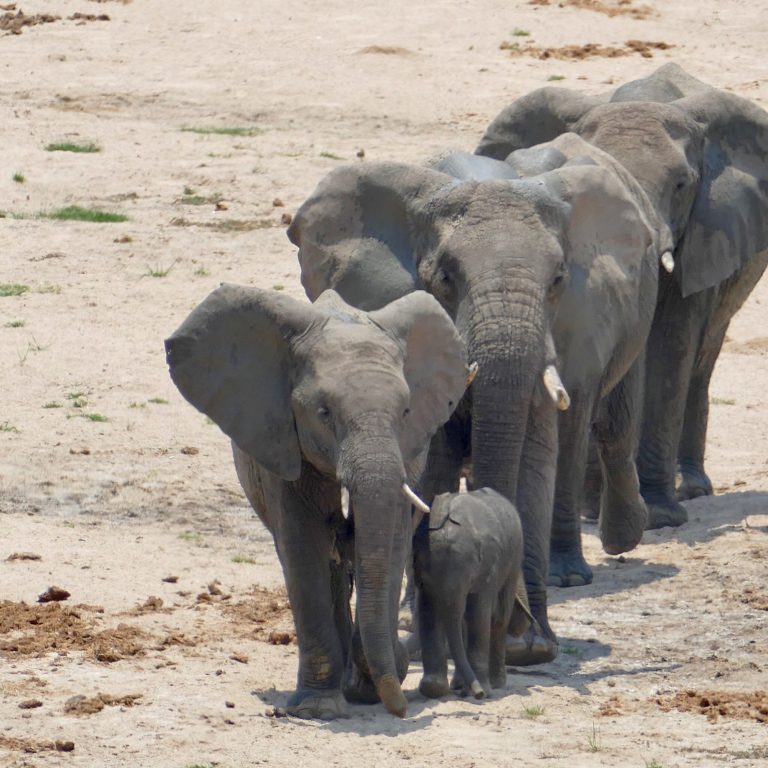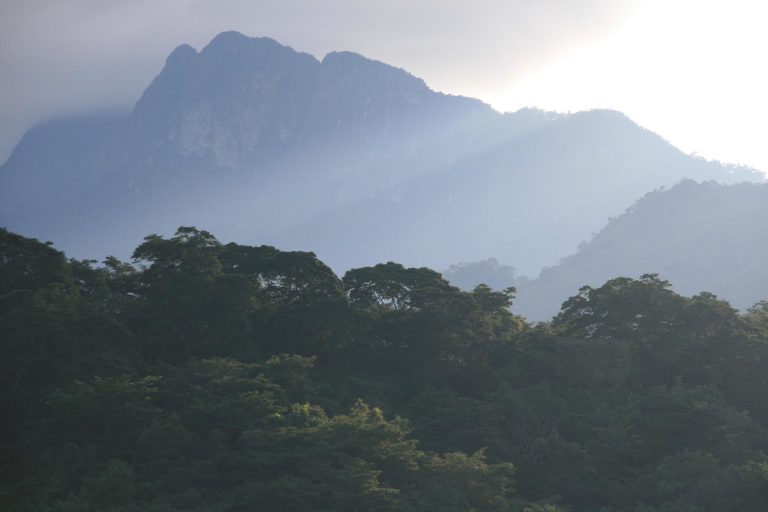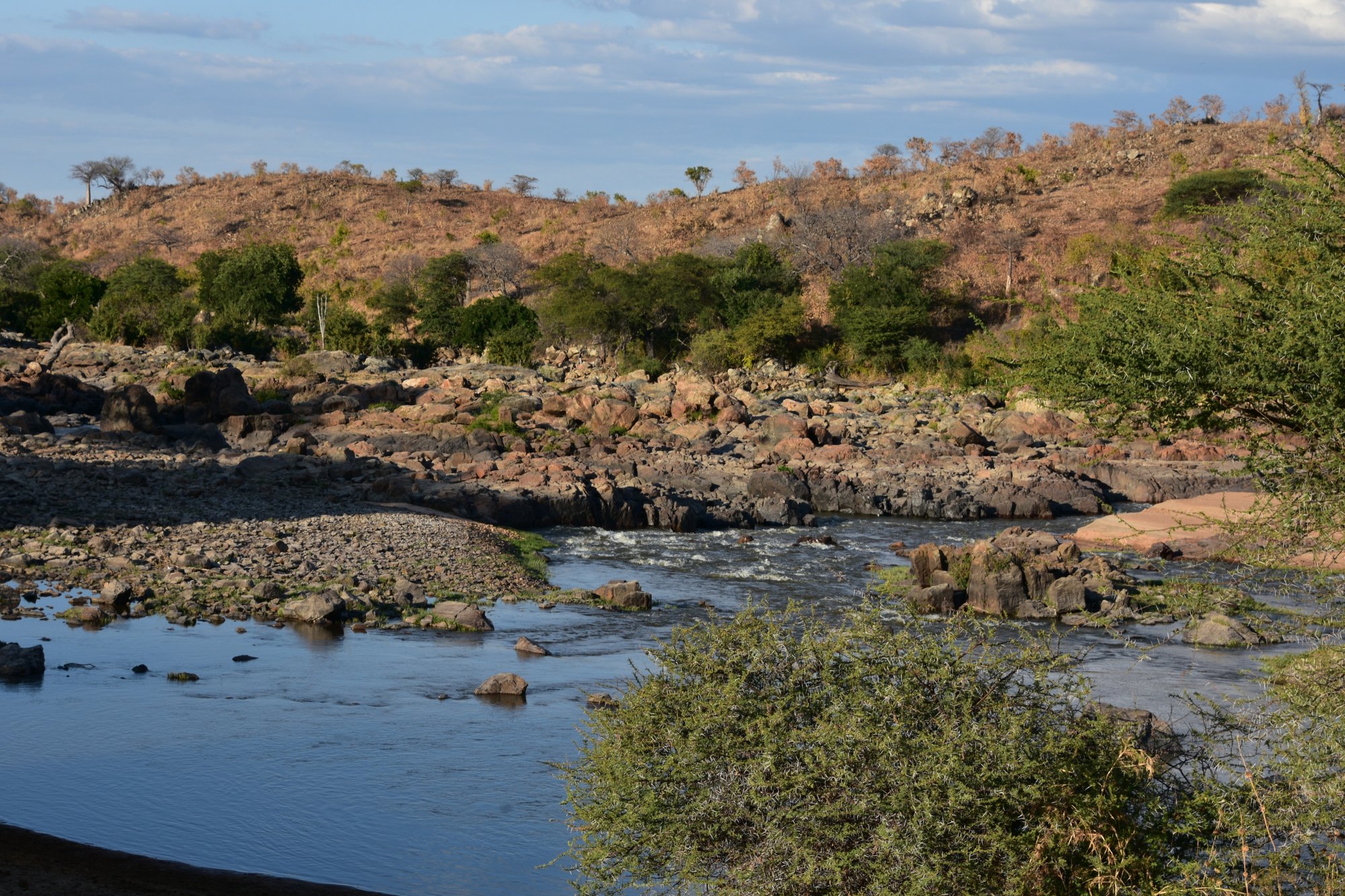
Ruaha National Park covers 19,822 square kilometres of Tanzania’s Iringa Region, which TANAPA ranks as the second largest national park in the country. Most visitors come between June and October, when lions, elephants and kudu crowd the shrinking Great Ruaha River. Light aircraft land at Msembe airstrip, a 108 km road links the gate to Iringa, and foreign adults pay USD 30 per 24 hours in park entry.
Is Ruaha National Park Worth Visiting?
Ruaha National Park is worth visiting for travellers who have already seen the northern circuit and want big predators with very few other vehicles, and for anyone willing to give it at least three nights. It is a weaker choice for a first short safari, because the flights cost more than a road transfer to Tarangire and the park rewards time rather than a quick visit.
Two verified facts make the case. Carnivore researchers estimate that the wider Ruaha and Rungwa ecosystem holds more than 10% of the world’s remaining lions. TANAPA lists wild dog, cheetah and leopard as resident, and the park’s position between East African savannah and southern miombo woodland puts greater kudu, lesser kudu, sable and roan antelope in the same park, a combination few Tanzanian reserves can match.
Then there is the quiet. Ruaha’s camps are spread thinly across a huge area, so travellers’ reports repeatedly describe sightings with no other vehicle in view. Trip reports also mention how the scale catches people out: a baobab looks like a normal tree until you notice that the shapes beneath it are full grown elephants.
Who should skip it? Families with only four or five days in Tanzania, and anyone who wants the wildebeest migration. No part of the Serengeti migration reaches Ruaha, which sits in a separate ecosystem far to the south.
Ruaha National Park Weather and Seasons
The best time to visit Ruaha National Park is the dry season from June to October, when the Great Ruaha River shrinks to pools and animals concentrate along it. TANAPA describes a single rainy season, usually from the end of November to May, so the park has one long dry spell and one long wet one rather than the two rainy seasons of northern Tanzania.
Heat shapes the day more than rain does. TANAPA gives average monthly temperatures from about 23°C in July to 29°C in September, with highs that can reach 40°C as the rains approach and nights that drop to around 8°C. Game drives therefore cluster in the early morning and late afternoon, and midday is siesta time in most camps.
The green season has a real case for birders. TANAPA notes that both northern and southern migrants pass through, and the Coastal Aviation route notes describe the January to April months as a strong period for birdwatching. The trade off is plain: animals no longer need the river, so they are harder to find, and tsetse flies can be more noticeable in thick woodland.
Ruaha Park Fees and Walking Safari Permit Prices
Ruaha park fees for a foreign adult are TZS 76,650 per 24 hours for entry, which is USD 30 at the conversion TANAPA’s own tariff uses, plus TZS 76,650 per night in concession fee if you sleep in a lodge or camp inside the park. These figures come from TANAPA’s current tariff, valid from 1 July to 30 June, and the rate is the same in every month.
TANAPA publishes the current tariff in Tanzanian shillings. Its shilling amounts work out at TZS 2,555 to the US dollar, which is why the familiar USD 30 entry fee appears as TZS 76,650. One point to check before you budget: the previous printed tariff sheet stated that its rates excluded 18% VAT, which would make the entry fee about USD 35.40 at the gate. Ask your operator, or the TANAPA booking system, whether the figure you are quoted already includes VAT.
| Fee | Foreign adult | Child 5 to 15 | Charged per |
|---|---|---|---|
| Park entry | TZS 76,650 | TZS 25,550 | 24 hours |
| Concession | TZS 76,650 | TZS 25,550 | Night in a lodge |
| Public campsite | TZS 76,650 | TZS 12,775 | Night |
| Special campsite | TZS 127,750 | TZS 25,550 | Night |
| Short walk, 1 to 4 hours | TZS 51,100 | TZS 25,550 | Walk |
| Long walk, over 4 hours | TZS 63,875 | TZS 38,325 | Walk |
| Night game drive | TZS 127,750 | TZS 63,875 | Drive |
Other visitor categories pay far less. An East African citizen pays TZS 5,000 per adult per 24 hours, and expatriates living in Tanzania pay TZS 38,325, half the foreign rate. Children under five enter free.
A few smaller lines catch self drivers and independent travellers. A foreign registered vehicle up to 2,000 kg pays TZS 102,200 per day, against TZS 20,000 for a Tanzanian registered one, which is one reason most visitors hire a vehicle in Iringa or Dar es Salaam. The ranger or guide fee for a walking group is TZS 51,100 per group per day, the balloon safari fee is TZS 127,750 per person, and fly camping carries a park fee of TZS 127,750 per person per night.
Timing matters too. The previous tariff sheet set two permit types: a day trip permit valid for 12 daylight hours and a sleep over permit valid for 24 hours, both allowing several entries within that window. Fees are paid electronically through the government payment gateway rather than in cash, so carry a card that works internationally.
Ruaha Park Fee Calculator
Enter your group, how long you stay and where you sleep to total the TANAPA fees for a Ruaha trip. Lodge, flight and guiding costs are not included.
Estimated park fees for your group
TZS 1,073,100
About USD 420 at TANAPA’s conversion of TZS 2,555 per dollar. If 18% VAT is added on top: TZS 1,266,258.
| Fee line | Amount |
|---|---|
| Park entry, 2 adults x 3 periods | TZS 459,900 |
| Concession fee, 2 adults x 3 nights | TZS 459,900 |
| Short walks, 2 adults x 1 | TZS 102,200 |
| Ranger fee, 1 walk | TZS 51,100 |
Amounts from TANAPA’s current Ruaha tariff (valid 1 July to 30 June), checked in November; children under 5 are free. Ask your operator or the TANAPA booking system whether VAT is already included in the figure you are quoted. Lodges and operators usually pay vehicle fees for their own vehicles inside their rates. The ranger fee is charged per group per day; this calculator counts one per walk. Indicative only. Source: Tanzania National Parks tariff, tanzaniaparks.go.tz.
Accommodation In and Near Ruaha National Park
Accommodation in Ruaha National Park falls into three groups: TANAPA’s own cottages, bandas and campsites at Msembe headquarters, privately run lodges and tented camps along the rivers inside the park, and cheaper lodges on the Iringa road outside the gate. Where you sleep decides your fee bill as much as your room rate, because only stays inside the boundary attract the nightly concession fee.
TANAPA Cottages, Bandas and Campsites at Msembe
TANAPA runs the cheapest beds inside the park. Its brochure describes hilltop cottages in single, double and family units, simpler cottages and a rest house at Msembe headquarters, public campsites with shower blocks and covered dining areas, and special campsites for exclusive use. On the current tariff a new cottage costs TZS 200,000 single, TZS 350,000 double or TZS 600,000 for a family unit per night for foreign visitors, while a single banda or a rest house bed is TZS 76,650 per head.
These options suit self drivers and budget travellers with their own vehicle and guide. Book ahead through the park, because the cottages are few and Iringa, the nearest town, is 108 km back down the road.
Riverside Lodges and Tented Camps Inside Ruaha
Most fly in visitors stay at one of the private camps inside the park, which include meals and guided game drives in their rates. Ruaha River Lodge, run by the Fox family’s Foxes Safari Camps, sits on the banks of the Great Ruaha River and was the only safari camp in the park for two decades, according to the lodge. Mwagusi Safari Camp has stood on the Mwagusi sand river since 1987, in an area its owners describe as particularly good for lions. Jongomero Camp lies in the remote southwest near Jongomero airstrip, far from the busier Msembe circuit.
Lodge rates move with the season and room type, and most of these camps do not publish fixed prices, so ask for a quote that shows the lodge rate and the TANAPA concession fee as separate lines. Several camps close for part of the March to May rains.
Lodges Outside the Gate on the Iringa Road
Lodges outside the boundary cost less and avoid the concession fee, at the price of a drive into the park each morning. Ruaha Hilltop Lodge, for example, sits on the slopes of Ideremle Mountain about 15 km from the park gate, according to the lodge, and offers cottages for families and groups plus game drives and walks.
Staying outside works best on a road safari with your own vehicle. The trade off is that you meet the best light of the morning on the gate road instead of on the river, and each re entry after your permit window closes starts a new 24 hour fee.
Travelling to Ruaha National Park from Dar es Salaam
The quickest way to reach Ruaha National Park from Dar es Salaam is a scheduled light aircraft flight to Msembe airstrip, which takes about two and a half hours on Coastal Aviation’s published timetable. The road alternative is 625 km via Iringa, a full day of driving that most travellers split with a night in Iringa or Mikumi.
Scheduled Flights to Msembe and Jongomero Airstrips
Coastal Aviation’s timetable shows daily departures to Ruaha from Dar es Salaam at 08:30, arriving 11:00, from Zanzibar at 08:00, arriving 11:00, from Arusha at 08:15, arriving 11:30, from the Nyerere (Selous) airstrips at 09:15, arriving 11:00, and from the Serengeti at 09:30, arriving 11:30. Return flights leave Ruaha at 11:45, reaching Dar es Salaam at 13:50 via Nyerere and Zanzibar at 13:15. Auric Air also flies scheduled and charter services to Msembe.
Msembe airstrip sits beside park headquarters and serves the main game drive area; Jongomero airstrip serves the southern sector. Camps inside the park meet flights, so most fly in visitors never need their own vehicle. Travellers on forums point out a useful detail: because Nyerere is a stop on the Dar es Salaam route, a Dar to Nyerere to Ruaha circuit costs little more in flights than Dar to Ruaha and back. Some Serengeti links run only with a minimum number of seats sold, so confirm the route operates on your date.
The Road from Iringa and Dar es Salaam
By road, Ruaha lies 108 km from Iringa town, 625 km from Dar es Salaam and 480 km from Mbeya, according to TANAPA. The long stretch from Dar es Salaam follows the tarred Tanzam highway through Morogoro and across Mikumi National Park to Iringa; the final leg from Iringa to the gate is mainly gravel, with sections being upgraded. Operators commonly allow two to four hours for that last leg, depending on the road and the season.
A 4×4 is the sensible choice, and a Tanzanian registered vehicle pays a much lower daily park fee than a foreign registered one. Inside the park TANAPA sets a 50 km per hour speed limit and bans off road driving, so distances between sightings take time.
What to Do in Ruaha National Park Besides Game Drives
Game drives are the main activity in Ruaha National Park, and TANAPA also permits walking safaris, night game drives, hot air balloon safaris, fly camping, sport fishing and bush meals. Several of these carry their own TANAPA fee on top of entry, and not every camp offers every activity.
Game Drive Safaris along the Great Ruaha and Mwagusi Rivers
Morning and afternoon game drives along the Great Ruaha River and the Mwagusi sand river are the core of every Ruaha safari. Animals are most active in the cooler hours, so drives start soon after dawn and pause through the midday heat. Because the park is large and the lodges are far apart, full day drives with a packed lunch reach quieter areas that half day loops cannot, and they suit travellers who want to follow one pride over several hours.
Walking Safaris with an Armed Ranger
A walking safari in Ruaha costs TZS 51,100 per foreign adult for a short walk of one to four hours and TZS 63,875 for a long walk, plus the group ranger fee. Walks usually run in the morning or early evening and focus on tracks and the smaller life a vehicle passes by. Some camps do not offer walks because of the number of elephants around them, so check with your lodge if a walk matters to you.
Night Game Drive Safaris
Night game drives are available on request in Ruaha, according to TANAPA, but a ranger must be booked in advance from park headquarters, and the fee is TZS 127,750 per adult. Drives go out with a spotlight after the afternoon game drive or after an early dinner, looking for genets, civets and porcupines, with a chance of a hunting leopard. Some older guidebooks and operator pages still say night drives are not allowed; TANAPA’s current brochure and tariff both list them.
Hot Air Balloon Safaris over the Baobab Plains
Hot air balloon safaris drift over the baobab and acacia country at dawn, and TANAPA charges a balloon fee of TZS 127,750 per person on top of the operator’s flight price. Ask your lodge which operator flies and from where, since launch sites and seasons vary.
Fly Camping and Birdwatching Tours
Fly camping means a night away from the main camp under a simple tent or mosquito net, and it carries a park fee of TZS 127,750 per foreign adult per night. Birdwatching tours suit the green season best, when migrants push the count towards the 574 species TANAPA records for the park.
Ruaha Wildlife: Lions, Kudu and More
Ruaha wildlife is defined by predators and by an unusual mix of antelope: TANAPA lists lion, leopard, cheetah, wild dog, buffalo and elephant alongside greater and lesser kudu, sable, roan, Lichtenstein’s hartebeest, topi and bohor reedbuck. The park is also the southern limit of Grant’s gazelle. Sightings depend on season and luck, and none is guaranteed.
Lions, Leopards and Wild Dogs in Ruaha
Lions are the headline. Ruaha is known for large prides, and carnivore researchers estimate that more than 10% of the world’s lions live in the wider Ruaha and Rungwa area. Leopards keep to the riverine woodland and rocky outcrops, cheetahs to the more open ground, and wild dogs roam widely, so a pack can turn up near a camp one week and vanish for the next.
Recent trip reports from the dry season mention wild dogs and leopards more often than cheetahs. Treat that as a pattern from visitors, not a promise.
Elephants, Buffalo and Antelope of the Miombo
Elephants gather in large numbers along the river as the dry season deepens, digging in the sandy riverbed for water. Their numbers have fallen sharply, which is the less comfortable side of the story: census figures put elephants in the Ruaha and Rungwa ecosystem at about 34,000 in 2009 and around 15,800 by 2015, mainly because of poaching.
The antelope list is where Ruaha stands out. Greater and lesser kudu share the park, and sable and roan live in the miombo woodland away from the river, where they take patience to find.
Birds of Ruaha National Park
TANAPA records 574 bird species in Ruaha, including the Ruaha red billed hornbill and the Ruaha chat, both first described here. Hornbills are so common along the drives that visitors joke about counting them, while storks and kingfishers work the river pools in the dry months.
Ruaha Highlights Beyond the Lions
Ruaha’s highlights beyond the lions are its two great river beds and a handful of lesser known sites: the Majimoto hot spring, a field of natural pillars and several rock art sites. Most can be added to a game drive with your guide.
The Great Ruaha River and the Mwagusi Sand River
The Great Ruaha River, which gives the park its name, runs along the southeastern side of the park and is the focus of game viewing. By the late dry season it becomes a chain of pools in a wide sandy bed. The Mwagusi, one of its seasonal tributaries, is dry sand for much of the year, and the stretch near Msembe is one of the busiest game areas in the park.
Majimoto Hot Spring and the Natural Pillars
The Majimoto area inside the park has a hot spring where visitors can soak their feet, and TANAPA lists a spa fee of TZS 30,000 per foreign adult. The park also protects a site of standing natural rock pillars, still forming, that makes a good stop for photographers.
Rock Art and Cultural Sites in Ruaha
TANAPA lists several cultural and archaeological sites inside the park, including the burial site of the Gogo chief Mapenza and rock paintings at Ganga la Mafunyo, Nyanywa, Chahe and Idinda. Outside the park, the Isimila Stone Age site near Iringa and the Kalenga area linked to Chief Mkwawa fit well on a road journey.
What Sets Ruaha Apart from Other Tanzania Parks
What sets Ruaha apart from other Tanzania parks is its combination of East African and southern African species, very low vehicle numbers and a fee level lower than the Serengeti’s. Foreign adults pay TZS 76,650 per 24 hours here against TANAPA’s higher Serengeti and Nyerere rate, and the camps are spread across a much larger area than the northern parks.
The closest comparison is Nyerere, its partner on the southern circuit, which most visitors combine with Ruaha by a short flight.
Against the Serengeti the trade is spectacle for space: no wildebeest migration, but very few vehicles at a sighting. Katavi, further west, is even more remote but harder and pricier to reach.
Ruaha National Park at a Glance: History and Size
Ruaha National Park began as the Saba Game Reserve, gazetted under German rule in 1910, and became a national park in 1964 when the southern part of what was then the Rungwa Game Reserve was given full park status. TANAPA added a section of the Great Ruaha River in 1974 and the Usangu wetland in 2008.
A later boundary adjustment set the park’s area at 19,822 square kilometres, according to TANAPA. Many guides still quote 20,226 square kilometres and call Ruaha the largest park in Tanzania; both figures are out of date, and Nyerere is now larger. The park sits within the wider Rungwa, Kizigo and Muhesi ecosystem, which includes neighbouring game reserves and a wildlife management area.
Ruaha National Park Location and Nearest Towns
Ruaha National Park lies in the Iringa Region of south central Tanzania, with Iringa town 108 km to the east as the nearest base for fuel and cash. Park headquarters and the main airstrip are at Msembe, close to the Great Ruaha River.
Iringa sits on the Tanzam highway between Dar es Salaam and Mbeya, so road travellers pass through it whichever way they come. The villages of Idodi and Tungamalenga lie along the park road and hold several of the lodges outside the gate.
How Many Days to Spend in Ruaha, with Sample Itineraries
Three nights is the practical minimum for Ruaha, because a fly in stay loses most of the first and last mornings to flights; four to five nights gives time for full day drives and a walk. Travellers on forums who have stayed seven or eight nights report that the time did not drag.
Three Day Ruaha Fly In Safari Itinerary
Day one: take the 08:30 flight from Dar es Salaam, land at Msembe at 11:00, transfer to camp for lunch and head out on an afternoon game drive along the Great Ruaha River. Day two: a full day drive with a packed lunch towards the Mwagusi and the baobab country. Day three: an early walking safari or short drive, then the 11:45 flight back to Dar es Salaam or on to Zanzibar.
Seven Day Nyerere and Ruaha Safari Itinerary
Days one to three: fly from Dar es Salaam to Nyerere for game drives and boat safaris on the Rufiji. Day four: take the 09:15 Nyerere to Ruaha flight, arriving at 11:00, with an afternoon drive. Days five and six: full days in Ruaha, adding a walk or a night drive. Day seven: a morning drive, then the 11:45 flight out.
Six Day Road Safari via Mikumi and Iringa
Day one: drive from Dar es Salaam to Mikumi, with game viewing from the highway. Day two: a morning in Mikumi, then on to Iringa. Day three: the 108 km road to Ruaha and an afternoon drive. Days four and five: full days in the park. Day six: return to Iringa for the night or begin the long drive back east.
Frequently Asked Questions About Visiting Ruaha National Park
What is Ruaha National Park famous for?
Ruaha National Park is famous for its large lion prides, its elephants along the Great Ruaha River, and an antelope list that includes both greater and lesser kudu, sable and roan. Carnivore researchers estimate the wider Ruaha ecosystem holds more than 10% of the world’s lions, and TANAPA records 574 bird species in the park.
How many days do you need in Ruaha National Park?
Plan on at least three nights in Ruaha National Park, and four or five if you can. Flights arrive around 11:00 and leave at 11:45, so a two night stay gives only one full day of game viewing. Longer stays let you take full day drives to quieter areas and follow the same lions over several days.
How much is the Ruaha National Park entry fee?
The Ruaha National Park entry fee is TZS 76,650 per foreign adult per 24 hours on TANAPA’s current tariff, the shilling equivalent of USD 30. Children aged 5 to 15 pay TZS 25,550, and staying inside the park adds a concession fee of TZS 76,650 per adult per night. Confirm whether 18% VAT is included when you book.
Can you see the Big Five in Ruaha?
You cannot see the full Big Five in Ruaha, because TANAPA’s wildlife list for the park does not include rhino. Lion, leopard, buffalo and elephant all live in the park, and wild dogs, cheetahs, kudu, sable and roan make up for the missing rhino for most visitors.
Is Ruaha better than the Serengeti for a safari?
Ruaha is better than the Serengeti for travellers who value solitude and big lion prides over sheer numbers. The Serengeti is better for the wildebeest migration and for a first, shorter safari with easier access from Arusha. Many repeat visitors pick Ruaha for their second trip to Tanzania.
Are there tsetse flies in Ruaha National Park?
Yes, Ruaha National Park has tsetse flies, mainly in wooded areas away from the open river plains. Travellers recommend light coloured long sleeves and avoiding dark blue or black clothing, and some report guides burning dried elephant dung at stops to keep the flies away. Insect repellent helps a little.
Can you self drive in Ruaha National Park?
You can self drive in Ruaha National Park with a suitable 4×4, entering by the road from Iringa. A Tanzanian registered vehicle up to 2,000 kg pays TZS 20,000 per day against TZS 102,200 for a foreign registered one, off road driving is banned and the speed limit is 50 km per hour. Book TANAPA cottages or campsites ahead.
When is the best time to visit Ruaha National Park?
The best time to visit Ruaha National Park is June to October, when the dry season pulls game onto the Great Ruaha River. September and October bring the strongest concentrations and the most heat. December to April suits birders and travellers chasing lower lodge rates, though game is more spread out and some camps close.
Planning a Ruaha safari around the right season and flights takes some joining up, and Tanzania Safari.travel is here to help with that. Tanzania Safari.travel covers Tanzania’s national parks with fees taken from TANAPA’s own tariff, so you can compare Ruaha with Nyerere, Katavi or the northern circuit and plan a trip that fits your dates and budget.