
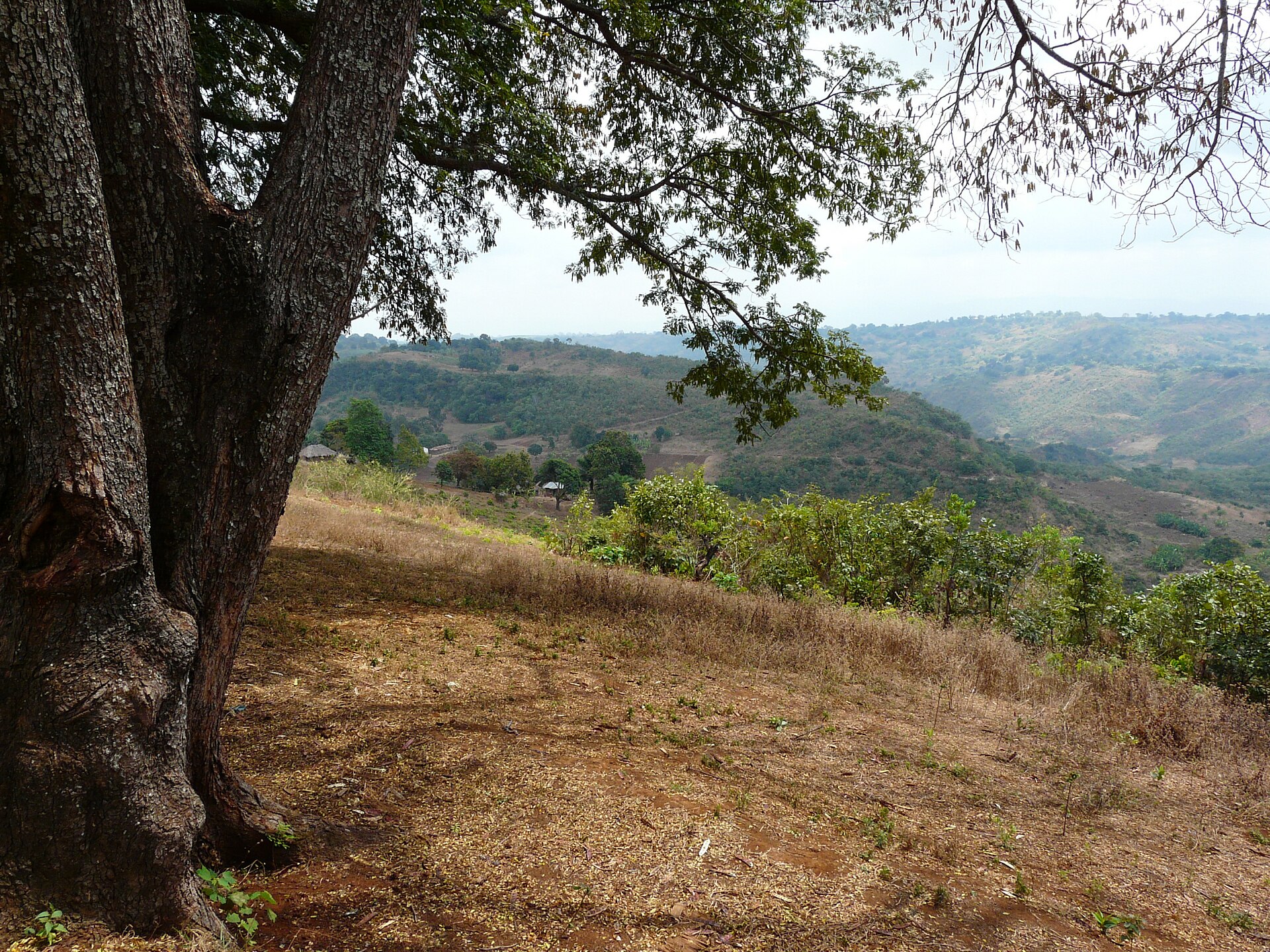
Highland country between Kitulo and the lake
The Kipengere Range is the block of high grassland and ridge country lying between the Kitulo plateau and Lake Nyasa, in the Southern Highlands. TANAPA describes Kitulo National Park as sitting high on the Kipengere–Livingstone ranges, which is the clearest official statement of how the pieces fit: Kitulo is the protected part of this country, and the Kipengere is the wider range it belongs to.
It is sometimes called the Mountains of God, a name that belongs to the same family as Kitulo’s own Bustani ya Mungu, the Garden of God. The highest point recorded by TANAPA in its Kitulo material is Mtorwi at 2,961 metres.
What the range is known for
Wildflowers. The Kipengere shares the flora that Kitulo was gazetted to protect, and it is named alongside the park in the scientific literature on it. Peer-reviewed work published in Oryx on the wild orchid tuber trade records that areas of Ufipa, Mbeya and the Kipengere range had already been stripped of their orchids, with an estimated 2.2 to 4.1 million tubers a year moving across the border into Zambia and up to 85 species at risk. All orchids are listed on CITES Appendix II.
That is the important thing to understand about this range: what is protected inside Kitulo is a remnant of what the wider Kipengere country once carried, and the difference between the two is the reason the park exists.
Birds. The Kipengere seedeater takes its name from this range and is one of the highland specialities TANAPA names for Kitulo. Open grassland, streamlines and rocky outcrops are the habitats to work. It is serious birding country with almost no birding infrastructure.
Ridge walking. Long, open, high walking on gentle gradients, with views that run for tens of kilometres on a clear day. This is the appeal for anyone who likes mountains without technical ground.
Mpanga–Kipengere Game Reserve
The Mpanga–Kipengere Game Reserve lies in this country and is managed by the Tanzania Wildlife Management Authority, which lists it among the game reserves in its portfolio. Tanzania Forest Services names it among the attractions near its Rungwe reserve. It is not a developed photographic destination in the way a national park is, and access arrangements are made with the managing authority rather than at a gate.
The charge, where a visit is arranged, is TAWA’s rather than TANAPA’s. TAWA publishes US$20 for a non-citizen adult and US$10 for a child per 24 hours at game reserves other than the four best known, and a wildlife conservation fee of US$25 per person per day where a camp or lodge inside a reserve is used. Those schedules carry no effective date and no Government Notice number, unlike the national park tariff. This applies to the reserve itself; nothing is published about charges for walking the wider range. See the guide to what Tanzania’s conservation charges add to a trip.
What is not published
As with the neighbouring Livingstone Mountains, no authority publishes route durations, permit requirements or guiding requirements for walking in the Kipengere Range outside the national park. Arrangements are local and informal, and published route information is thin to the point of absence.
Inside Kitulo the position is different and clear: guiding is compulsory, walks follow marked trails or are accompanied by authorised guides and rangers, and group sizes are capped at six by day and four at night. Anyone who wants a walk in this country with published terms should plan it inside the park.
Getting there
Access is through the same country as Kitulo: from Mbeya via Makete and Matamba, or from Njombe via Makete. Makete District Council notes that of its two main road approaches, from Njombe and from Mbeya, only the Njombe road is currently passable — a detail worth confirming before committing to a route. A four-wheel drive is required for the ascents. The guide to reaching the Southern Highlands covers how Mbeya and Njombe connect to the rest of the country.
When to go
Unimodal: one rainy season from November into April or May, wetter in its second half. For walking, June to October. For the flowering, December to March, accepting the driving conditions that come with it. Nights at this altitude are cold in every month. The seasonal guide to southern Tanzania sets that single wet season out month by month.
Where it fits in a trip
The Kipengere is not a destination people travel to on its own. It is the country a Kitulo visit sits inside, and the country a Southern Highlands loop crosses between Njombe and Mbeya. Travellers who want to experience it with certainty should base a trip on the national park and use the range as context; travellers who want to walk the wider range should expect to organise it on the ground.
Common questions
How high is the Kipengere Range?
TANAPA’s Kitulo material records Mtorwi at 2,961 metres as the high point. The plateau country generally runs between about 2,600 and 3,000 metres.
Is Kitulo in the Kipengere Range?
TANAPA describes Kitulo National Park as sitting high on the Kipengere–Livingstone ranges. Kitulo is the protected core; the Kipengere is the wider highland block around it.
Can you walk here outside the national park?
Yes, but nothing is published. No authority sets out durations, permits or guiding requirements for the range outside Kitulo, and arrangements are made locally.
Are there flowers outside Kitulo?
There were, and there still are in places, but published research records that parts of the Kipengere have already been stripped of orchids by the tuber trade. The protected plateau inside the park is where the display is intact.