
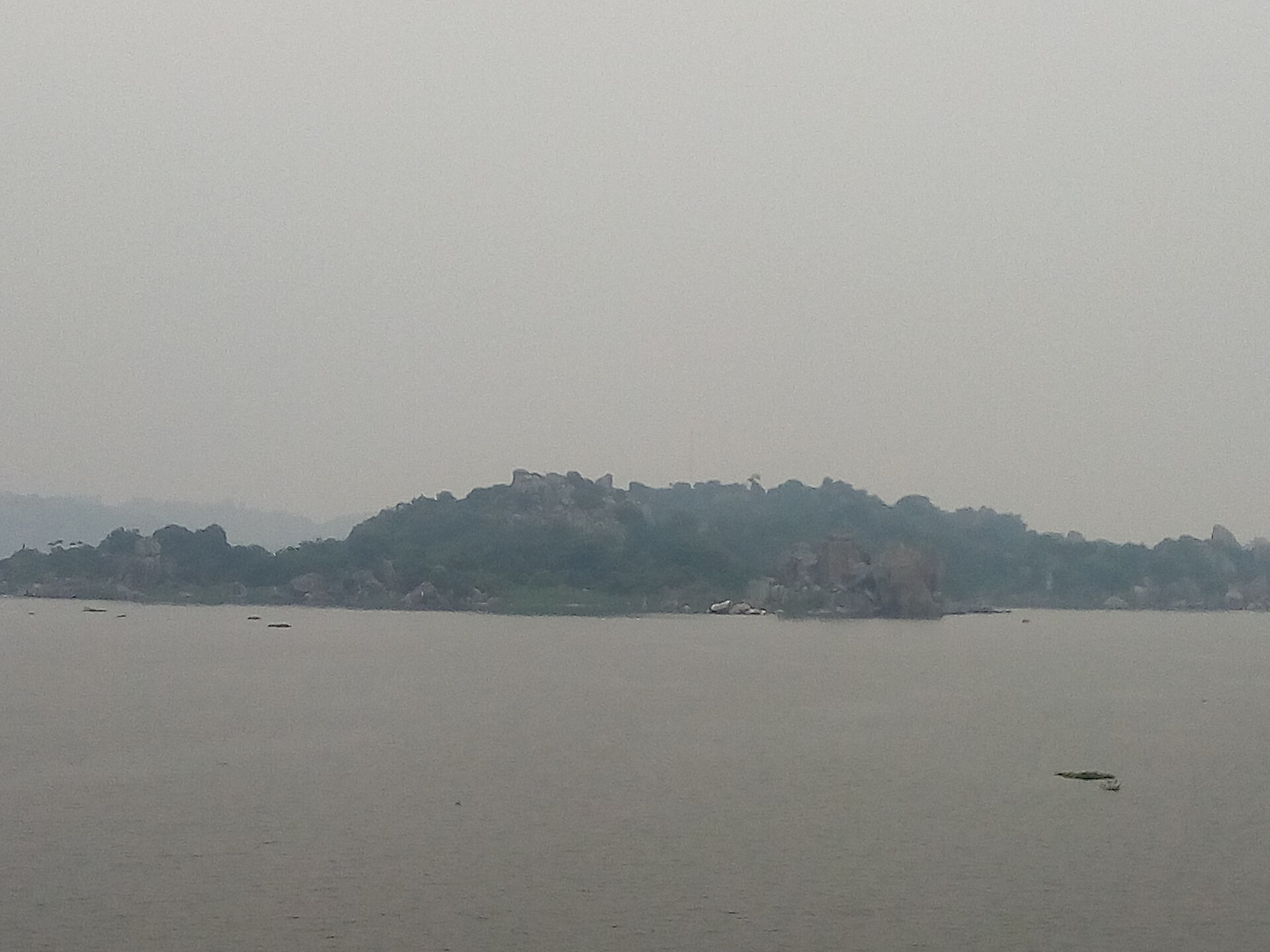
A national park inside a city
Saanane Island National Park is a granite island in Lake Victoria, in sight of Mwanza, and it is Tanzania’s smallest national park. TANAPA gives its area as 2.18 square kilometres and its designation as a national park as 2013.
It is named after Mzee Saanane Chawandi, a local farmer and fisherman. The island’s history as a protected place goes back further than its park status: in 1964 the government established Tanzania’s first zoo here, intended for conservation education and recreation for the people of Mwanza. The park that exists today grew out of that.
Saanane is an honest half-day and should be planned as one. It is not a substitute for a safari and TANAPA does not present it as one. What it is, is a genuinely pleasant and unusual couple of hours a few minutes from the middle of a city.
Getting there
Mwanza City Council describes the crossing as a ten to fifteen minute boat ride from the TANAPA offices at Capri Point. TANAPA’s own guidance is to fly into Mwanza Airport, drive to Capri Point or the official jetty, and take the short boat transfer; private boats must use designated landing points and follow park instructions.
Saanane is a day-visit island. There is a public campsite overlooking the lake, but most visitors stay in Mwanza and come across for the morning or afternoon. Keep your receipt and identification to hand at the jetty and on the island. For anyone passing through Mwanza between flights or ferries, the guide to Tanzania’s domestic routes covers how the lake city connects to the rest of the country.
What is on the island
TANAPA describes free-roaming zebra, impala, klipspringer, rock hyrax, vervet monkey and wild cats along the walking trails, with monitor lizards and other reptiles basking on the rocks and crocodiles in the water. The klipspringer and rock hyrax suit the terrain — this is a granite island, and the kopjes are its defining feature.
For birders, TANAPA records over 110 species, resident and migratory, including kingfishers, ibises and fish eagles alongside forest birds. See the bird watching guide.
The published activity list is boat cruises, game viewing, rock hiking and nature walks, picnics, recreational fishing by permit, and bird watching. The relevant guides are day hiking, nature walks, boat trips and freshwater fishing. Fishing is by permit only and strictly catch-and-release under ranger guidance.
The island is also used for events — TANAPA lists weddings, team-building, birthdays and family days — which is worth knowing both as an option and as something that may be happening while you are there.
Views and photography
Saanane’s most-cited attraction is the view rather than the wildlife: the Mwanza skyline of balanced granite across the water, and sunrises and sunsets that silhouette the rocks against the lake. TANAPA gives the island an elevation of around 1,134 metres and a temperature range of 20 to 30 degrees Celsius. The photographic safari guide is the relevant reading for anyone going specifically for that.
Rules and safety
Keep to the marked trails. Do not litter, feed or disturb wildlife, and observe quiet zones near bird nesting areas. Drone use requires prior written permission. Wear a lifejacket on the boat transfer and follow the crew.
On the island, TANAPA asks visitors to stay on marked paths, supervise children near the water and the cliffs, and keep a respectful distance from wildlife. Bring sun protection, drinking water and insect repellent. Rangers are at the visitor point in an emergency.
Small as it is, Saanane is a national park and charges like one. Entry is a published government figure rather than an operator’s price: TANAPA’s 2023/24 tariff booklet puts the conservation fee at US$30 per non-EAC adult for twenty-four hours, flat all year, with a reduced rate for children of five to fifteen. The boat is charged on top. The booklet is TANAPA’s most recent and its VAT basis is contradicted on the authority’s own website — see the guide to what a Tanzanian trip costs, fees included.
Seasons
Saanane is in Mwanza Region, part of the Tanzania Meteorological Authority’s bimodal Lake Victoria zone: two rainy seasons, Vuli from October to December and Masika from March to May. Lake conditions matter more than rainfall for a short boat crossing, so check the weather before setting out. Saanane is one of the few places in the country where the seasonal question barely applies: a half-day on the island works in any month.
Common questions about Saanane
How small is Saanane Island National Park?
2.18 square kilometres, per TANAPA. It is the smallest national park in Tanzania.
How do you get there?
A ten to fifteen minute boat ride from the TANAPA offices at Capri Point in Mwanza, or from the official jetty.
Is it worth visiting if you have already been on safari?
As a half-day in Mwanza, yes — for the granite landscape, the lake views and the oddity of a national park inside a city. As wildlife viewing measured against the Serengeti or Katavi, no, and it does not claim to be.
Can you stay on the island?
There is a public campsite overlooking Lake Victoria, but Saanane is primarily a day-visit park and most people stay in Mwanza.
What animals will you actually see?
TANAPA lists zebra, impala, klipspringer, rock hyrax, vervet monkey and wild cats roaming free, with monitor lizards on the rocks, crocodiles in the water and over 110 recorded bird species.
Was it really a zoo?
Yes. The government established Tanzania’s first zoo on the island in 1964 for conservation education and recreation. It became a national park in 2013.