
Tanzania Food & Culinary Tours
Eating and shopping the way Tanzania does: Forodhani and the Darajani market on Zanzibar, Kariakoo and the fish market in Dar, and the street food of the mainland towns.
Stone Town on Zanzibar is where almost every Tanzania food tour runs: a guided evening walk through the old town's market and coffee corners that ends at the Forodhani Gardens night market over Zanzibar pizza, urojo and charcoal skewers. Away from Stone Town, the food comes through spice farm tours, cooking classes and coffee tours on Mount Kilimanjaro above Moshi, while ugali, nyama choma and chipsi mayai wait at roadside eateries everywhere.
Safaris That Include Food and Market Tours
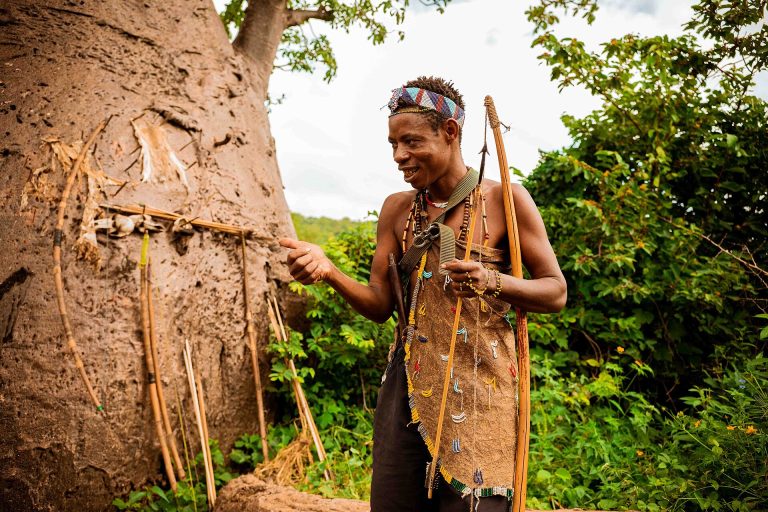

10 Days Wildlife Tanzania & Culture Safari
by Insight Safari Holidays Verified operator


5 Days Tanzania Wildlife Safari
by Wild Whispers Africa Verified operator

7 Day Tanzania Safari
by Wild Whispers Africa Verified operator
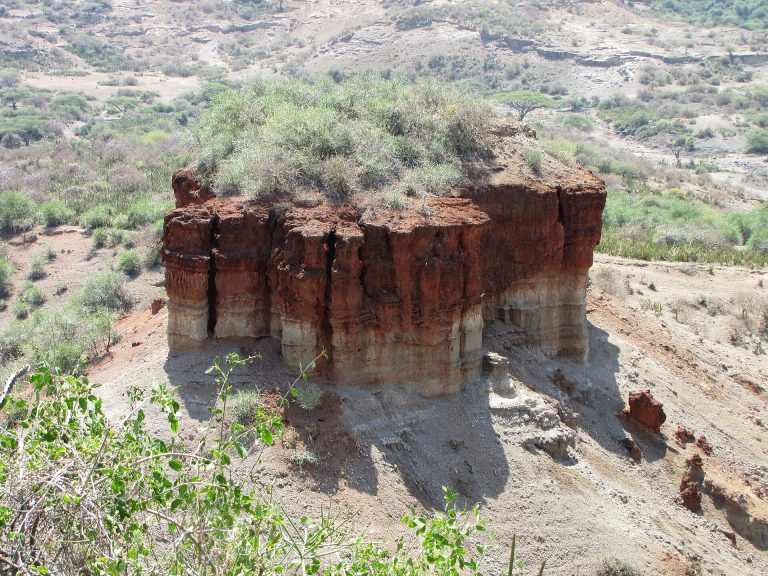
8 Days Tanzania Culture & Wildlife Safari
by Insight Safari Holidays Verified operator

5 Day Safari in Tanzania Adventure
by Insight Safari Holidays Verified operator

14 Days Southern Tanzania Safari & Zanzibar Beach
by Oree Safaris Verified operator
Food and Market Tours Guide in Tanzania
Tanzanian Dishes for Food Tours
Thirty Tanzanian dishes and drinks, where to find each one, whether it is vegetarian and the kind of tour where you are most likely to taste it.
| Dish | Type | Where to find it | Vegetarian | What it means for you |
|---|---|---|---|---|
| 01UgaliStiff maize porridge | Main meal | Everywhere, at local eateries | Vegetarian | The staple. Pinch a ball with your right hand and use it to scoop stew |
| 02Nyama chomaCharcoal grilled meat, usually goat | Main meal | Grill bars and butcheries | Meat or fish | Ordered by weight; slow roasting often takes an hour or more |
| 03MishkakiMarinated meat skewers | Street food | Street grills, Forodhani | Meat or fish | Grilled to order in front of you, so a safe first pick at a night market |
| 04Chipsi mayaiChips cooked into an omelette | Street food | Street stalls nationwide | Vegetarian | Contains egg, so vegetarian but not vegan. Comes with kachumbari or chilli |
| 05PilauRice cooked with whole spices | Main meal | Coast, Zanzibar, celebrations | Ask first | Usually cooked in meat stock; ask for a vegetable version |
| 06BiryaniLayered rice and curry | Main meal | Stone Town eateries | Meat or fish | Often a tasting on Stone Town walks; a feast dish at weddings |
| 07Wali wa naziRice cooked in coconut milk | Main meal | Coast and Zanzibar | Vegetarian | Served under fish and octopus curries |
| 08Wali na maharageRice with beans | Main meal | Cheap eateries everywhere | Vegetarian | The easiest meat free lunch in the country; check for ghee if vegan |
| 09MchichaAmaranth greens with groundnut or coconut | Main meal | Local eateries, home kitchens | Vegetarian | A regular in cooking classes; ask whether dried fish went in |
| 10KisamvuPounded cassava leaves in coconut | Main meal | Zanzibar and the coast | Ask first | Pounded in a wooden mortar in a proper class; may include fish |
| 11MakandeMaize and beans stewed together | Main meal | Mainland homes and eateries | Vegetarian | Hearty and meat free; common on the Kilimanjaro side |
| 12Ndizi nyamaGreen bananas cooked with meat | Main meal | Mainland eateries | Meat or fish | Bananas here are cooked like potatoes, not eaten as fruit |
| 13MtoriBanana and meat soup | Main meal | Moshi and Kilimanjaro villages | Meat or fish | A Chagga dish from Kilimanjaro; ask for it on a coffee or village tour |
| 14KachumbariTomato, onion and chilli relish | Side dish | With grills everywhere | Vegetarian | Raw salad; skip it if your stomach is new to the trip |
| 15ChapatiPan fried flatbread | Breakfast and bread | Breakfast stalls, tea rooms | Vegetarian | Torn up and used to scoop curries and beans |
| 16MandaziFried dough, often with cardamom | Breakfast and bread | Morning stalls, tea rooms | Vegetarian | Breakfast with chai; buy it warm from the fryer |
| 17VitumbuaSmall coconut rice cakes | Breakfast and bread | Morning stalls | Vegetarian | Gone by mid morning; look for the dimpled pan |
| 18Mahindi ya kuchomaCorn roasted on charcoal | Street food | Roadside grills | Vegetarian | Afternoon and evening snack, rubbed with chilli and lime |
| 19UrojoZanzibar mix soup | Street food | Stone Town stalls, Forodhani | Ask first | Yellow mango and turmeric broth piled with fritters, potato and egg; often topped with meat |
| 20Zanzibar pizzaFolded, fried stuffed dough parcel | Street food | Forodhani night market | Ask first | Choose egg and vegetable or a sweet banana version if you avoid meat |
| 21Samaki wa kupakaGrilled fish in coconut sauce | Main meal | Coastal restaurants | Meat or fish | Charcoal grilled fish finished in a tangy coconut sauce |
| 22Pweza wa naziOctopus coconut curry | Main meal | Zanzibar restaurants | Meat or fish | Better at a sit down meal than as a reheated night market skewer |
| 23SambusaFried pastry triangles | Street food | Street stalls, Jaws Corner | Ask first | Meat or vegetable fillings; ask which before you bite |
| 24Mkate wa kumiminaZanzibari rice bread | Breakfast and bread | Stone Town bakeries and stalls | Vegetarian | Sold in wedges; a Zanzibar speciality few mainland towns make |
| 25KashataCoconut or peanut brittle | Sweet | Stone Town sweet sellers | Vegetarian | Buy a few pieces to carry; travels well |
| 26Sugarcane juicePressed to order with ginger and lime | Drink | Forodhani, street presses | Vegetarian | Ask for it without ice |
| 27KahawaStrong Swahili coffee with cardamom or ginger | Drink | Jaws Corner, Stone Town | Vegetarian | Served in tiny cups from a brass pot; drink it standing with the regulars |
| 28Kilimanjaro coffeeArabica grown under bananas | Drink | Materuni and villages above Moshi | Vegetarian | Picked, pulped, roasted and pounded in front of you on a coffee tour |
| 29MbegeChagga banana and millet beer | Drink | Kilimanjaro villages, Mto wa Mbu | Vegetarian | Home brewed and unfiltered; taste before you commit to a full cup |
| 30ChaiSweet spiced milk tea | Drink | Everywhere | Vegetarian | Comes with breakfast breads at every tea stall |
Last checked November 2026. Vegetarian: "Ask first" means the dish is often made with meat stock, dried fish, ghee or a meat topping, so confirm with the cook. Menus vary by household, stall and season, and night market stalls change from week to week. Sources: tanzaniasafari.travel guides to food and market tours, cooking classes and coffee tours; Atlas Obscura and Roads and Kingdoms on urojo; published Stone Town food walk itineraries; Kilimanjaro coffee tour itineraries.
Mainland Dishes to Order on a Tanzania Food Tour
Mainland Tanzanian cooking starts from maize, beans, bananas and greens, grills its meat over charcoal and uses far less coconut and spice than the coast. A Tanzania food tour in Arusha, Moshi or Dar es Salaam, or simply lunch at a roadside eatery between game drives, will put most of the following dishes in front of you.
Ugali comes first because it comes with almost everything. It is a stiff porridge of maize flour cooked in water until it holds its shape, and it tastes of very little on purpose: its job is to carry the stew. Pinch off a piece with your right hand, roll it, press a dent in it with your thumb and scoop up the stew. Visitors who try a fork tend to give up within a minute.
Nyama choma means grilled meat, and in Tanzania that usually means goat, sometimes beef or chicken. At the grill bars where locals eat it, you choose a cut at the butcher's counter, the butcher weighs and salts it, and then it goes over low coals for a long time. An hour or more is normal, which is why nyama choma is a sit down, slow evening with a beer rather than a quick bite. It arrives chopped on a board with salt and chilli, plus kachumbari, the raw tomato, onion and chilli relish served beside most grills.
Street food on the mainland belongs to two items. Mishkaki are skewers of marinated beef or goat grilled to order. Chipsi mayai is chips fried in a pan and then set inside a beaten egg to make a thick omelette, and it is said to have started on the streets of Dar es Salaam before spreading to every town in the country. People also call it zege, which means cement, and that tells you how filling it is. Vendors serve it with kachumbari or chilli sauce, and it is the closest thing Tanzania has to a national snack.
Bananas do a lot of work. Green cooking bananas stand in for potatoes in ndizi nyama, a stew of plantain and meat, and in the Kilimanjaro region the Chagga cook mtori, a thick soup of mashed bananas and meat that is soft enough to be given to new mothers. Around Moshi and Mto wa Mbu hosts may also pour you mbege, a cloudy home brewed beer made from bananas and finger millet.
Breakfast is its own small cuisine. Tea stalls open early with chapati, the pan fried flatbread that came with Indian traders, mandazi, triangles of fried dough often scented with cardamom, and sweet milky chai. Later in the day the vegetarian staples appear: wali na maharage, rice with beans in a tomato sauce; makande, maize and beans stewed together; and mchicha, amaranth greens cooked with groundnuts or coconut. Roasted maize cobs, mahindi ya kuchoma, sell from roadside braziers in the afternoon.
Zanzibar and Swahili Coast Dishes for Your Food Tour
Cross to the coast and the cooking changes language. Swahili cooks on Zanzibar and the mainland shore work with coconut milk, rice and spice, the result of centuries of trade with Arabia, Persia and India, and a Zanzibar food tour is mostly a tour of that mix.
Urojo, also sold as Zanzibar mix, is the dish to seek out first. A vendor ladles a sour, turmeric yellow broth made with green mango and thickened with a little flour over a bowl already loaded with boiled potato, bhajia fritters, crisp chickpea noodles, half a boiled egg and often pieces of grilled skewer meat, then finishes it with chutney, chilli and raw salad. Vendors assemble it to order, which is why it is street food rather than restaurant food, and why it rarely turns up in a cooking class. Stone Town residents often eat it at lunchtime.
Zanzibar pizza is not pizza. It is a thin sheet of dough wrapped around minced meat, onion, egg and sometimes cheese, folded into a square parcel and fried on a flat hotplate with ghee in a couple of minutes. Sweet versions use banana and chocolate spread. Its origin is not documented; one Stone Town historian links it to the stuffed meat breads of the Swahili coast, and the English name looks aimed at visitors. Whatever its history, Forodhani is where it lives.
Rice dishes carry the Arab and Indian side of the island's history. Pilau is rice cooked in stock with whole cardamom, cloves, cinnamon, cumin and black pepper, browned in the pot, and it appears at weddings and Friday lunches. Biryani, rice and a spiced curry cooked apart and then layered, is the feast dish. Wali wa nazi, rice simmered in coconut milk, sits under the seafood.
That seafood is the reason many people book a coastal tour at all. Samaki wa kupaka is whole fish grilled over charcoal and finished in a tangy coconut and tamarind sauce. Pweza wa nazi is octopus cooked slowly in a coconut curry, and it is far better at a sit down table than as a reheated skewer. Pounded cassava leaves in coconut, called kisamvu, are the green side dish.
Smaller things fill the gaps. Sambusa are fried pastry triangles with meat or vegetable fillings. Mkate wa kumimina is a dense Zanzibari rice bread sold in wedges, and vitumbua are small coconut rice cakes cooked in a dimpled pan at dawn. For something to carry home, buy kashata, a brittle of coconut or peanuts set in sugar.
Forodhani Night Market Food Tour in Stone Town
Forodhani Gardens sits on the Stone Town seafront in front of the Old Fort and the House of Wonders. By day it is a public park. From late afternoon vendors carry in trestle tables, charcoal grills and paraffin lamps, and from around sunset the gardens turn into the most visited food market in Tanzania. Every evening food tour in Stone Town ends here, and plenty of visitors come on their own.
On the tables: skewers of beef, octopus, squid, prawns and kingfish; lobster and crab; cassava; samosas; urojo; sugarcane pressed to order through a hand cranked mangle with ginger and lime; and a row of Zanzibar pizza stands with queues in front of them. You point, agree the price, and the vendor heats your choice on the grill.
That last step is the part to watch. Vendors cook much of the seafood under the lamps earlier and only reheat it when you order, and some of it has sat there since late afternoon. Locals tend to buy the things cooked from raw in front of them, mainly mishkaki, pizza and urojo, and leave the platters to visitors. A Swiss aid worker quoted by The East African put the wider problem plainly: the gardens are priced for tourists, and the same food costs less at stalls a few streets inland.
Two other habits save trouble. Agree the price of each item before it goes on the grill, and pay the stall holder yourself. Self appointed helpers often offer to order on your behalf, collect your money and expect a cut, and a traveller who handed one a large note for drinks reported never seeing the change. A firm, friendly no works better than a debate.
Stone Town Street Food Walks and Market Tours
A guided Stone Town food walk usually runs three to four hours, starts in the late afternoon and times its stops so that you reach Forodhani as the grills light. The published itineraries follow much the same route, which tells you where the food is.
Two things change the value of a walk. Small groups matter, because tasting stops happen at counters and benches built for three or four people, and one widely sold walk caps its groups at eight. And timing matters at Darajani: the market belongs to the morning, when the fish comes in and residents shop, so an evening walk sees its quieter half. If the market itself is what interests you, go early on your own or with a cook, and book the evening walk for the street food.
Diet is the other check. At least one widely sold Stone Town walk states that it cannot cater for vegetarians, vegans or people with severe allergies, because the tastings come from what the stalls are cooking that day. Ask before you book. Our longer guide to food and market tours in Tanzania covers Darajani, Forodhani, the city markets and the local brews in more depth.
Zanzibar Spice Farm Tours
A spice farm tour is the most booked excursion on Unguja, and it explains half the flavours you eat on the island. You spend two or three hours in a planted garden a short drive north or east of Stone Town, most often around Kizimbani, while a guide cracks open nutmeg to show the red lace of mace, peels cinnamon from a living tree, and hands round cloves, black pepper, cardamom, lemongrass and turmeric root to smell. Someone climbs a coconut palm.
Expect a demonstration garden rather than an estate. Cloves arrived on Zanzibar in the early nineteenth century and today grow mainly on Pemba, so the plots near Stone Town are teaching gardens with dozens of species planted close together. Plan to tip several people at the end, carry small notes, cover shoulders and knees for the rural villages, and buy whole spices rather than ground ones. Many cooking classes add a spice garden to the morning. The full picture, including the plantation history, is in our guide to Zanzibar spice tours.
Kilimanjaro Coffee Tours Above Moshi
On the southern slopes of Mount Kilimanjaro, Chagga families grow arabica coffee in the shade of banana plants, and a coffee tour from Moshi lets you follow a bean from tree to cup in a morning. Most visitors go to Materuni, a village above the town, though Uru, Kibosho, Machame and Marangu also host visits.
The village version is hands on. You pick ripe red cherries, feed them through a hand cranked pulper, look at parchment drying on raised beds, then roast the beans in a pan over a wood fire and pound them in a tall wooden mortar, usually to a song that keeps the rhythm of the pestle. The coffee you drink at the end is the coffee you just made: fresh, light and a little smoky. The host household normally cooks lunch, which is the best chance on the northern circuit to taste mtori, ndizi nyama or makande at someone's table. Hosts often offer banana beer on the walk back.
Materuni tours almost always add a walk down to the Materuni waterfall. Published itineraries put it at around 45 minutes to an hour each way, on a path that gets slippery in the rain, so wear closed shoes with grip. Operators package the day heavily, with souvenir stalls along the path, though the farms are real and the households sell their coffee for a living.
Two practical points. The pounding and roasting demonstration runs all year from stored beans, but picking ripe cherry off the tree depends on the harvest, which on Kilimanjaro runs roughly from July to December. And the gentle walking makes a coffee day a good rest day before or after a Kilimanjaro climb. Estate tours near Arusha and Karatu show the industrial side, with mechanised mills and grading lines, and our guide to coffee tours in Tanzania covers both.
Swahili Cooking Classes and Market Trips
A Tanzanian cooking class almost always means Zanzibar, and almost always means half a day in a Stone Town home. The better ones start at Darajani with the person who will teach you, buying the fish and coconuts, then move to a kitchen with a charcoal fire. You sit astride the mbuzi, a low wooden stool with a serrated blade at one end, and grate coconut by hand for the milk; you pound garlic, ginger and chilli in a wooden mortar. Pilau with a fish or octopus coconut curry is the usual centrepiece, and you eat it with the family afterwards.
Zanzibar classes are halal by default, so there is no pork. Vegetarian menus are easy because coconut, beans, rice and greens carry the cooking, though vegans should ask about ghee and dried fish. Operators advertise classes in Arusha, Moshi and Dar es Salaam, but we could not confirm any mainland class as running, so ask the operator to name the household. More in our guide to cooking classes in Tanzania and Zanzibar.
Food Tours in Dar es Salaam, Arusha and on Safari
Dar es Salaam has the country's biggest food markets and the fewest visitors eating in them. Early morning is the time. At Kivukoni Fish Market on the harbour, boats land their catch at dawn and stalls beside the auction fry or grill fish to order. Kariakoo Market, the largest in Tanzania, reopened in a new multi storey complex after a fire, so older descriptions of the building no longer match. One guided breakfast walk in the city runs for two hours from seven in the morning and works through fresh coconut, sugarcane, mandazi, vitumbua, chapati, chipsi mayai, mishkaki and pilau.
Arusha street food tastings follow a similar pattern over a few hours, with grilled skewers, fruit stalls and market snacks, and they suit the spare afternoon before a safari starts.
On safari itself, lodge and camp meals lean towards international buffets, often with one or two local dishes. Ask your guide to stop for lunch in a town such as Karatu or Mto wa Mbu, where a plate of pilau or chipsi mayai at a local eatery shows you more of everyday Tanzania than the picnic box does. Mto wa Mbu, at the foot of the Rift Valley escarpment on the road to Ngorongoro, grows many varieties of banana and brews its own banana beer; our Mto wa Mbu guide covers the village walks there, and bush dining explains where meals can be laid out inside the parks.
Street Food Safety on a Tanzania Food Tour
Travel health services rate the risk of travellers' diarrhoea in Tanzania as high, and higher still for anyone eating street or market food. That is a reason to eat carefully, not a reason to skip the food. Nobody has published a food safety study of Forodhani or any other Tanzanian market, so there is no number to quote; what works is a set of habits.
Eat what is cooked fresh and served hot in front of you. Avoid seafood reheated from a platter and raw salads such as kachumbari in your first few days. Do not drink the tap water. Peel your own fruit. Ice is the usual weak point in fresh juice. Hand gel before eating with your fingers matters more on a food walk than almost anywhere else.
Before you travel, ask a travel clinic about hepatitis A and typhoid vaccination, since a clinic may recommend either depending on how you will eat and how long you will stay. The UK government lists cholera among the health risks in the country.
Home brews deserve a separate word. Fermented drinks such as mbege and bamboo wine have a long history and no documented methanol problem, though they are unfiltered and vary in strength. Gongo, an informally distilled spirit, is different: a Tanzanian study found methanol in it above the national safety standard, in some samples by more than double. Taste the beer if offered, and refuse the spirit.
Eating Etiquette, Ramadan and Vegetarian Travel in Tanzania
Eat with your right hand. Tanzanians treat the left as unclean, and at a local eatery a server will often bring a bowl of water and soap for washing before the food arrives. Shared dishes are normal; take from the part nearest you. Ask before photographing a cook, a stall or someone's plate.
Ramadan changes eating on Zanzibar more than on the mainland. The Zanzibar Commission for Tourism requires restaurants, bars and food outlets outside hotel compounds to close in daylight hours during the holy month, reopening after sunset for iftar, the meal that breaks the fast. Forodhani and the evening food walks carry on after dark, and the atmosphere at sunset is lively, though hosts may move or cancel daytime cooking classes. Do not eat, drink or smoke in the street in daylight, and dress modestly.
Vegetarians eat well in Tanzania once they know the dishes. Wali na maharage, makande, mchicha, chapati, mandazi, vitumbua and chipsi mayai are meat free by default, and coconut curries can be made with vegetables. The traps are meat stock in pilau and soups, dried fish in greens, and meat dropped on top of urojo. Say you do not eat meat or fish, then ask about the stock, because a request for no meat is sometimes answered with chicken.
Tanzania Food Tour FAQ
How much does a food tour in Tanzania cost?
Operators advertise a guided evening food walk in Stone Town at roughly US$35 to US$50 per person for three to four hours with the tastings included, and private or beach hotel pickup versions cost more. At Forodhani itself most items cost a few thousand Tanzanian shillings each, with grilled lobster and large seafood platters the exceptions. Operators price coffee tours from Moshi and spice farm tours per person, usually with lunch and transfers included, so compare what each listing covers before you choose.
Is street food in Tanzania safe to eat?
It can be, if you choose what you eat. Order food cooked from raw and served hot in front of you, such as mishkaki, chipsi mayai and Zanzibar pizza, and skip reheated seafood platters, raw salads, ice and tap water for the first days of your trip.
What is the national dish of Tanzania?
Most Tanzanians would name ugali, the stiff maize porridge eaten with stew, beans or greens. Chipsi mayai has the stronger claim to national street food.
What time does the Forodhani night market open?
Vendors set up in the late afternoon and the grills are busy from around sunset until late in the evening. During the day Forodhani is an ordinary seafront park with no food market.
Is a Kilimanjaro coffee tour worth it if I do not drink coffee?
Usually yes. The Materuni day is as much a village walk, a home cooked lunch and a waterfall as a coffee lesson, and it makes an easy rest day around a Kilimanjaro climb or a safari.
Can I take a Zanzibar food tour during Ramadan?
Evening tours usually run, because food outlets reopen after sunset for iftar. Hosts may move or cancel daytime cooking classes and tastings, so ask the operator how the tour runs that month before you book.
Who do I tip on a spice tour or food walk?
On a spice tour several people expect a tip: the guide, the coconut climber and whoever made the palm leaf hats or served the fruit. On a food walk you tip the guide. Ask the operator beforehand who expects a tip and carry small notes.
Tanzania Safari.travel is a marketplace that lists safaris and island trips from independent tour operators; it does not run tours itself. Compare the trips that include food and market tours, coffee tours or spice tours, then send your dates and the dishes or places you most want to taste straight to the operator. Your enquiry goes to them directly, and there is no booking fee.