
Waterfall Hiking in Tanzania: Which Falls Are Worth the Walk
Guided walks to falls on Kilimanjaro’s lower slopes and through the Eastern Arc and Southern Highlands, Materuni, Sanje, Kilasiya, Soni and Kaporogwe among them.
Waterfall walks are the most common half-day activity sold in Tanzania and the one where published information is least reliable — heights quoted for the same fall routinely differ by a factor of two, with no source behind any of them. This guide names the falls worth walking to, gives a height only where a park authority has published one, and says plainly where the numbers in circulation are unsupported. Sanje in the Udzungwa Mountains is the tallest in the national park system at 170 metres. Most of the rest are about the walk rather than the drop.
Safaris That Include Waterfall Hiking


A Guide to Waterfall Hiking in Tanzania
A Note on the Numbers
Waterfall hiking is the most frequently sold half-day activity in Tanzania, and it is also the corner of Tanzanian travel writing where published facts are least reliable.
Materuni, the best-known fall in the country, is variously given as 80, 90, 120 and 150 metres across the pages selling walks to it. Those cannot all be right, and none of them cites anything. The same pattern repeats across most of the falls below.
This guide takes a simple position: a height appears here only where a park or forest authority has published one. Where the figures in circulation have no source behind them, the guide says so and describes the fall instead. A confident number that turns out to be invented is worse than no number, and on a waterfall the drop is rarely the point anyway — the walk is.
Sanje Falls, Udzungwa
The one unambiguous headline. TANAPA records Sanje as plunging 170 metres — the highest waterfall in Tanzania's national park system.
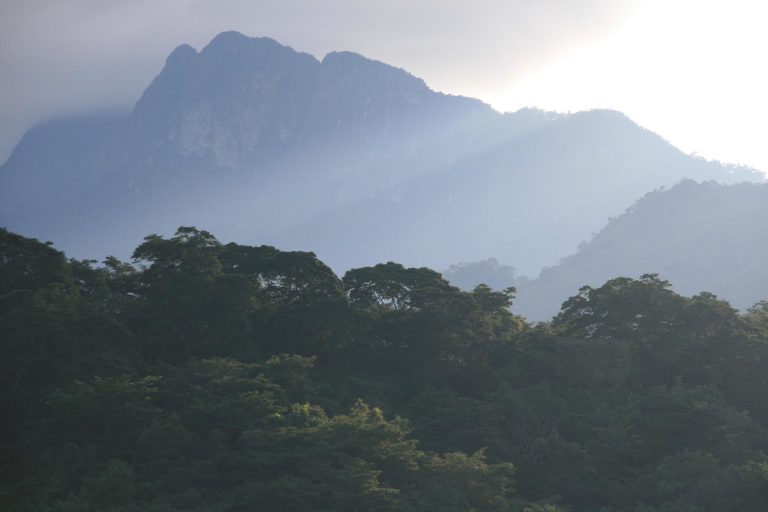
It sits in Udzungwa Mountains National Park, which has no game-drive roads at all, so everything there is walked. The route to Sanje is the park's standard half-day: a climb through lowland forest to a viewpoint, then on to the middle tier where the water collects in a pool you can swim in, with the main drop falling past below.
It is a proper forest walk as well as a waterfall walk — this is one of the most biologically important forests in Africa, with two primate species found nowhere else — so take it slowly and take a guide who will stop. TANAPA requires a park guide to accompany visitors in the forest in any case.
The climb is steep and humid and the rock near the water is slick. Sanje is not a casual stroll, and it is the one walk in this guide where people regularly underestimate the effort.
The Kilimanjaro Foothills
The busiest waterfall country in Tanzania, on the Chagga slopes above Moshi, and almost always sold combined with a coffee tour — which is a genuinely good pairing, since the walk passes through the coffee gardens on the way.
Materuni
The one everybody goes to. A walk of roughly an hour from Materuni village through banana and coffee smallholdings, dropping into a steep green gorge to a single tall fall with a cold plunge pool at its foot.
It is genuinely beautiful and it is genuinely busy. Go early if you want it to yourself, and expect the village to be organised around visitors, because it is.
On the height: the figures quoted range from around 80 to around 150 metres and none is sourced. It is tall. That is as much as anyone can honestly say.
Kilasiya
Near Marangu, and the better choice if Materuni's crowds put you off. A shorter, steeper approach down into a narrow gorge to a fall that drops into a dark pool between rock walls. More enclosed and more dramatic than Materuni, and much quieter.
The descent is steep and slippery, with steps and handrails in places that are maintained to a variable standard.
Around Marangu
Marangu has a cluster of smaller falls — Kinukamori above the village, Ndoro, and others reached through the coffee gardens on short village walks. None of them is a major cascade. They are pleasant additions to a walk through the villages rather than destinations in themselves, and they are best treated that way.
Arusha National Park: Two Falls With Real Figures
The exception to everything above, because TANAPA has published measurements for both.
Tululusia
28 metres, on the lower slopes of Mount Meru, and reached by two of the six nature trails in Arusha National Park from Momella gate.
What makes it interesting is why it is there. The falls cut through debris-avalanche material — the rubble left when Meru's eastern flank collapsed roughly 7,800 to 8,000 years ago — and the water has eroded that loose deposit into a steep-sided gorge. The gorge walls now provide nesting sites for red-winged starlings.
So the waterfall exists because the mountain fell down. That is a better reason to walk to a 28-metre fall than its height.
Maio
Less visited, and unusual in being a three-step fall on basalt from Meru's eastern slopes. TANAPA describes the sequence: a first drop of about 10 metres, then 20 metres of flat run across rock, then a fall of around 14 metres, then a final 50-metre run into the Ngarenanyuki river.
It is a staircase rather than a plunge, which makes it photograph badly and walk well.
The Crater Highlands
- Munge — the waterfall where the Munge river drains out of Olmoti Crater and begins its run down towards the Ngorongoro Crater floor. The walk up onto the Olmoti rim and across to the lip is among the gentlest in the conservation area, and the authority gives it as around half an hour up.
- Endoro — falls on the forested slopes above Karatu, reached on a dedicated nature trail that is usually combined with the elephant caves nearby. One of the few walks in the conservation area with a named, established trail.
- Engare Sero — in the gorge behind the village at the foot of Ol Doinyo Lengai, near Lake Natron. The walk goes up the streambed itself, wading between rock walls, which in that furnace of a landscape is the entire appeal. Note that the administration here is genuinely ambiguous: the site sits in a game controlled area but appears on the conservation authority's geopark route, so ask locally who you are paying and for what.
All walking in the conservation area requires an armed ranger and prior arrangement — see day hiking for the rules in full.
The Southern Highlands
- Kaporogwe, near Tukuyu — the distinctive one, falling from a lava ledge you can walk behind, with the Livingstone Mountains behind it. The overhang is the draw and it is unlike anything else in this guide. No authority publishes a height, so none is given here.
- Kitulo — the park holds the Nhumbe waterfall at around 100 metres and the much smaller Mwakipembo at 8 metres, both recorded by TANAPA. Nhumbe drops through the juniper valley and is one of the tallest falls in the country with a published figure.
- Ngozi and the Rungwe slopes — smaller falls throughout the forested volcanic country near Mbeya, generally walked as part of a longer day rather than as objectives.
The Usambaras
Soni Falls, on the road up to Lushoto, is the best-known fall in the Usambaras — a broad cascade beside the road, visible almost without walking, and much more impressive in the rains than out of them. No published height could be confirmed.
Inside Magamba, the forest reserve above Lushoto, Tanzania Forest Services lists cold swimming in a waterfall plunge pool among the reserve's activities — so there is a swimmable fall in the reserve, though TFS does not name it. It may or may not be the same water as Soni; nothing published settles that.
Kisasa falls, further into the hills, appears on attraction lists and has no reliable published description.
Elsewhere
- Himiti, on Mount Hanang, named by Tanzania Forest Services among the reserve's features.
- Kalambo, on the border with Zambia at the southern end of Lake Tanganyika — by reputation one of the highest single-drop falls in Africa, and remote enough that very few visitors reach it. This guide gives no height and no archaeological detail, because neither could be confirmed from a reliable source in preparing it. It is worth researching properly before making the journey.
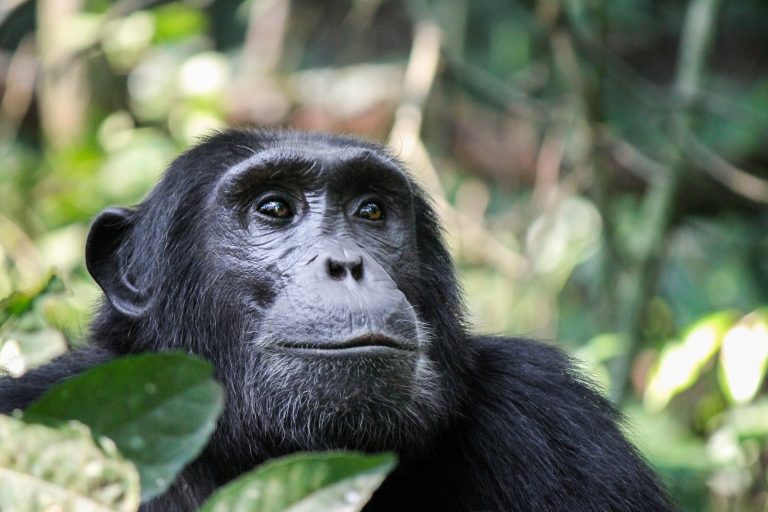
- Kakombe and Mkenke, in Gombe — small forest falls, seen incidentally on chimpanzee walks rather than sought out.
- Choma, in the Uluguru Mountains above Morogoro.
When to Go
Waterfalls are the one Tanzanian attraction that is better in the wet, and this cuts directly against the standard safari calendar.
- During and just after the long rains, roughly March to June — maximum flow. Falls that are a trickle in October are thunderous. The trade-off is slippery approaches, leeches in the forest, and the worst road conditions of the year.
- The short rains and just after, roughly November to January — a good compromise. Decent flow, manageable paths.
- Late in the dry season, roughly September and October — the weakest flow of the year. Some smaller falls reduce to a thread. The walking is at its easiest and the pools are at their clearest.
If a waterfall is a major reason for a trip, weight the calendar towards the wetter end and accept the mud. If it is an add-on to a dry-season safari, expect less water than the photographs show, because the photographs were taken in April. Which months are wet depends on where the falls are, since the northern hills and the southern highlands run different rainfall calendars.
Safety
Waterfall walks produce more minor injuries than any other activity in this guide, and the reasons are consistent.
- Wet rock is the main hazard. Polished rock near a fall is far more slippery than it appears, and spray keeps it wet well beyond the splash zone. Most incidents are falls on approach paths, not in the water.
- Footwear matters more than anywhere else here. Boots or proper walking shoes with tread. Not flip-flops, not smooth-soled trainers.
- Watch the catchment, not the sky above you. Flash flooding comes from rain falling upstream, which may be hours away and invisible from where you stand. If the water rises or discolours, get out and get up.
- Do not stand under a fall or in the impact zone. Falling water carries rock and wood.
- Do not jump into pools. Depths change with every flood and submerged rock and timber move.
- The climb back is the hard part. Most of these walks descend on the way in, so the tiring half comes at the end in the heat of the day.
Swimming in fresh water
Many of these falls have pools and swimming in them is a large part of the appeal. One health matter belongs here.
Schistosomiasis, or bilharzia, is a parasitic infection contracted from fresh water in much of sub-Saharan Africa, and it is a genuine consideration wherever you swim in rivers, lakes and pools rather than in the sea or a chlorinated pool.
This guide deliberately does not tell you which specific Tanzanian waters are affected, because that could not be established from a health authority in preparing it, and a wrong answer on a health question is worse than no answer. What it will say is this: treat it as a real risk, check current travel health guidance from a recognised authority before you travel, ask your guide about the specific pool rather than the region, and if you do swim in fresh water, mention it to a doctor afterwards — it is straightforward to test for and to treat, and easy to miss.
What to Take
- Shoes with grip that you do not mind soaking
- A change of clothes and a towel, left in the vehicle
- Swimwear worn underneath — changing facilities are rare to non-existent
- A dry bag or sealed pouch for phone and camera; spray reaches further than you expect
- Water and something to eat, since most of these walks have nothing en route
- Insect repellent for the forest approaches
- Small cash for village guides and community fees, which are collected locally
Questions Travellers Ask
What is the highest waterfall in Tanzania?
Sanje in the Udzungwa Mountains is recorded by TANAPA at 170 metres and described as the highest in the national park system. Kalambo, on the Zambian border, has a considerable reputation but this guide could not confirm a height for it from a reliable source.
How tall is Materuni Falls?
Nobody reliable says. Figures from around 80 to around 150 metres circulate, none of them sourced, and this guide will not pick one. It is a tall single drop reached by about an hour's walk from Materuni village.
When is the best time for waterfalls?
During and just after the rains, roughly March to June for maximum flow, or November to January as a compromise. Late in the dry season around September and October the flow is at its weakest and smaller falls can reduce to a trickle — which is exactly when most safaris run.
Can I swim at the falls?
At many of them, yes, and it is a large part of the appeal. Be aware that schistosomiasis is a genuine risk in fresh water across much of sub-Saharan Africa. Check current travel health guidance before you travel, ask your guide about the specific pool, and tell a doctor afterwards if you have swum in fresh water.
Which waterfall walk is best combined with a coffee tour?
Materuni, which is almost always sold that way and where the walk passes through the coffee gardens. Kilasiya near Marangu is the quieter alternative in the same foothills.
Are there waterfalls in the Ngorongoro Conservation Area?
Yes — the Munge waterfall where the river drains out of Olmoti Crater, the Endoro falls on a dedicated nature trail near Karatu, and Engare Sero in the gorge behind the village near Lake Natron. All walking in the conservation area requires an armed ranger and prior arrangement.
Is the Sanje walk hard?
Harder than most people expect. It is a steep climb through humid lowland forest with slick rock near the water, and it takes most of a morning. A park guide is required in the forest in any case.
Why is there a waterfall on the lower slopes of Mount Meru?
Because the mountain collapsed. Tululusia Falls, 28 metres, cuts through the debris-avalanche deposit left when Meru's eastern flank gave way roughly 7,800 to 8,000 years ago, eroding that loose material into a steep gorge whose walls now hold nesting red-winged starlings.