The port at the end of the line
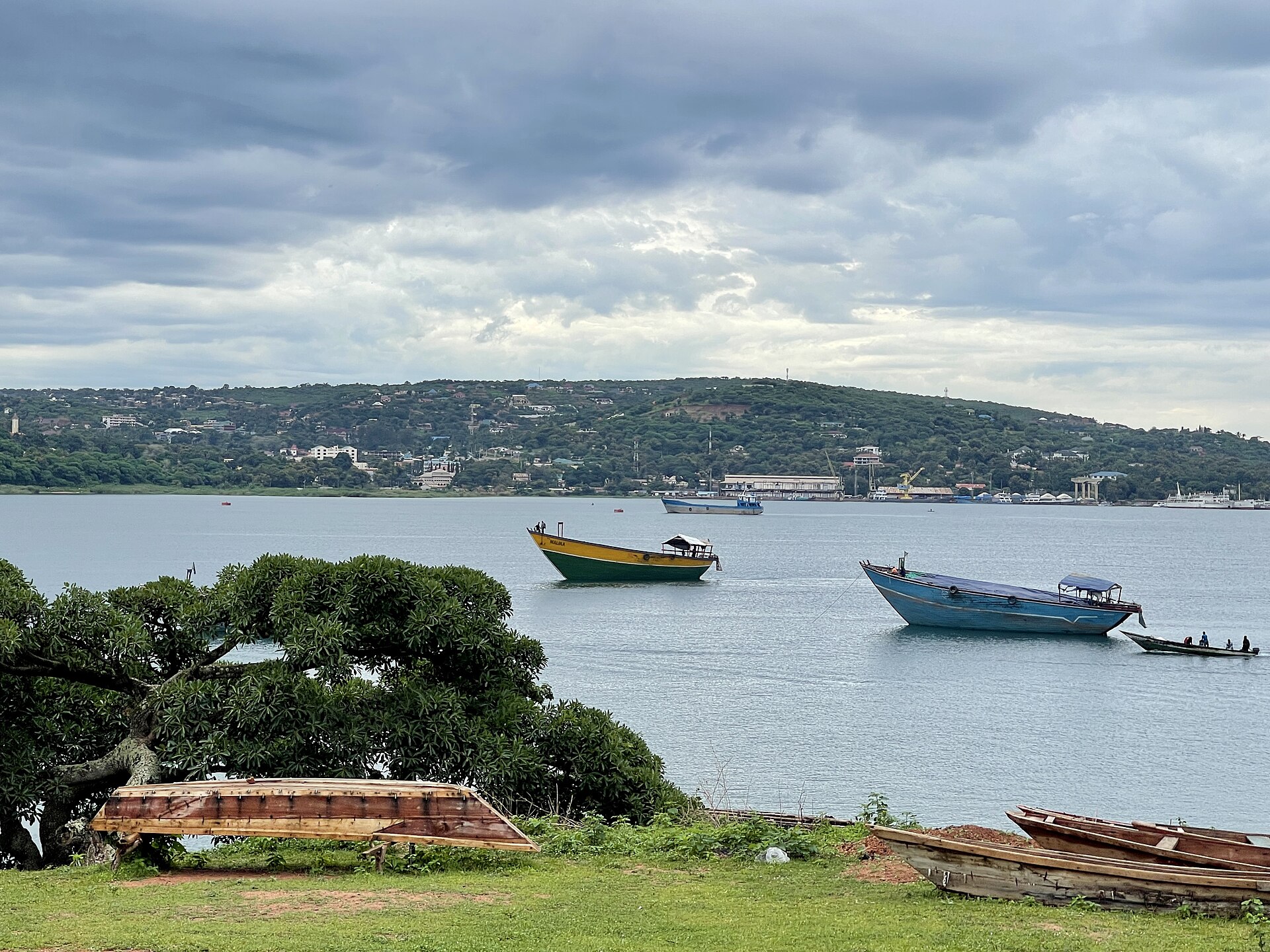
Kigoma is the town where western Tanzania’s transport network stops. The Central Line railway from Dar es Salaam ends here. The road ends here. The lake begins here. Everything further west, north or south along the shore — Gombe, Mahale, the Congolese and Burundian shores — is reached by boat or by air from this point. Crossing to the Burundian or Congolese shore is an international departure, so it is worth establishing what your Tanzanian permit allows on return; the guide to Tanzania’s entry rules and visa types covers single and multiple entry.
That makes Kigoma a functional place rather than a scenic one, and it is the better for being treated that way. It is the gateway to the chimpanzee parks, the terminus of one of Africa’s long railway journeys, and the town next door to Ujiji, which was the inland end of the nineteenth-century caravan route from the coast.
The region in figures
Kigoma Region’s own government gives the region an area of 45,075 square kilometres, of which 36,523 square kilometres are land and 8,552 square kilometres are water. It borders the Democratic Republic of the Congo to the west and Burundi to the north-west, and within Tanzania it meets Kagera to the north, Shinyanga to the north-east, Katavi and Rukwa to the south and Tabora to the east. From the north-east round to the south-east, the region is largely wrapped around Lake Tanganyika, which its own regional description calls the second deepest lake in the world.
The town itself has been a municipality since 1 July 2005. Kigoma Ujiji Municipal Council traces its local government back to a town council established under a Local Government Act passed in the National Assembly in February 1963, re-established under further legislation in 1982.
Getting to Kigoma, and onwards
By air
Kigoma has an airport with scheduled flights from Dar es Salaam, and connections from the northern airports via Dar. It is also the usual first leg for travellers heading to Mahale by light aircraft and boat.
By rail
Kigoma is the western terminus of the Central Line. Tanzania Railways Corporation’s own route list runs Dar es Salaam through Morogoro, Dodoma, Tabora and Uvinza to Kigoma, with a branch from Tabora north to Isaka, Shinyanga and Mwanza, and another south-west from Tabora through Kaliua to Mpanda. This is a genuinely long journey and a genuine experience — see the rail and ferry journeys guide for what to expect from Tanzanian long-distance trains.
By boat
Kigoma is the departure point for Gombe, a one to two hour crossing arranged through lodges, operators or the park. TANAPA handles Gombe’s park entry formalities at Kasekela. Boats also run south along the lake towards Mahale, though most Mahale visitors fly.
What to do from Kigoma
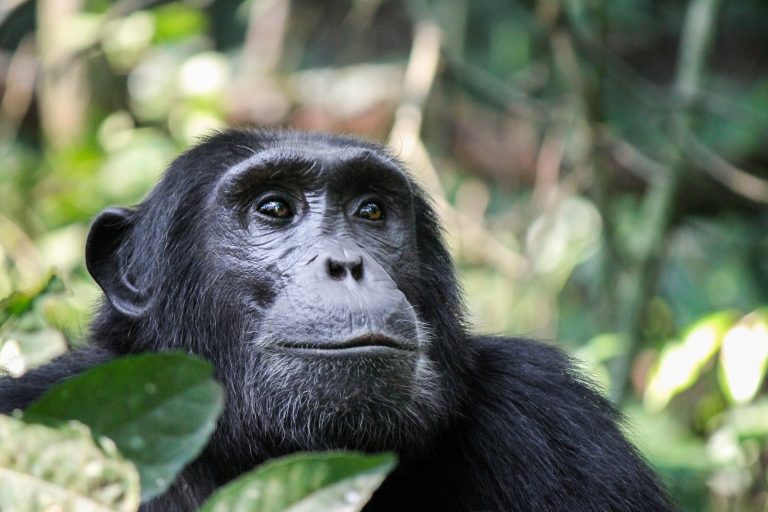
Chimpanzees. Gombe is the realistic day-or-overnight trip; Mahale is a separate journey. The activity itself is covered in the chimpanzee trekking guide.
The lake. Swimming, snorkelling over endemic cichlids, kayaking, fishing and boat trips along the shore. The bilharzia evidence for this stretch of water is set out in the Lake Tanganyika guide; the best-documented outbreak in the travel medicine literature involved fieldworkers based in Kigoma District, so it is worth reading before deciding how much time to spend in the water.
History. Ujiji is the reason many people come. Tanzania’s own UNESCO tentative list submission for the Central Slave and Ivory Trade Route places Ujiji within Kigoma township, about five kilometres from the Kigoma railway station, and names its surviving landmarks. The relevant reading is the slave trade history tours and museum tours guides.
The town. Markets, the port, the fishing fleet and the daily rhythm of a lake town that most visitors pass straight through. See market tours and historical walking tours.
The Livingstone memorial museum
TANAPA maintains a record for the Dr David Livingstone Memorial Museum among the antiquity sites in its care, and it is worth reading because it is the official description of a place that is otherwise written about almost entirely through the anecdote of Stanley’s greeting.
The record frames Livingstone as a nineteenth-century Scottish explorer and missionary who was instrumental in exploring and mapping central and east Africa, whose humanitarian work and documentation of his journeys shaped international perceptions of the region during the colonial era. It then describes the museum’s substance: a powerful exhibition on the East African slave trade, using artefacts, historical documents and multimedia to convey the human suffering it caused, alongside material on resistance and abolitionist movements. A second strand covers the wider history of east and central Africa through cultural artefacts, traditional tools and items from both local communities and early explorers.
Read against the travel copy, the emphasis is instructive. The official account treats the site as a place about the slave trade, in which Livingstone appears, rather than as a monument to a meeting between two Europeans. That is the better frame to arrive with. See the museum tours guide, and the Ujiji guide for the surrounding sites.
Weather
Kigoma town is in the Tanzania Meteorological Authority’s unimodal zone. TMA’s Vuli forecasts, which cover Tanzania’s two-season areas, include only the Kakonko and Kibondo districts in the far north of Kigoma Region — not Kigoma town, and not Gombe or Mahale. The pattern here is one long wet season from around November into April or May, followed by a long dry period.
Kigoma Region’s own account is consistent with that, describing rains that begin in October and end in May, with annual totals of 800 to 1,200 millimetres and temperatures between 17 and 33 degrees Celsius. Kigoma Ujiji Municipal Council, covering the town specifically, describes a modified equatorial climate with a wider annual rainfall band of 800 to 1,600 millimetres, and notes that peak temperatures occur in September and October. The two are different authorities describing different areas; read them as a range. The seasonal guide to the south and west explains why the one-season pattern applies here and not in the far north of the region.
Practical notes
Kigoma is a working town with the infrastructure that implies: hotels, banks, fuel and supplies. It is the last place with any of those before the lake parks, which matters if you are going on to Mahale, where everything arrives by boat or aircraft and TANAPA advises planning for cashless payment. Light aircraft into the western parks enforce strict baggage limits and generally require soft bags. The guide to reaching western Tanzania by air, rail and lake gives the figure those limits are set at and covers how the Kigoma leg fits into a longer itinerary.
Common questions about Kigoma
Why would you go to Kigoma?
For Gombe and Mahale, for Ujiji, for Lake Tanganyika, and as the western end of the Central Line railway. It is a gateway rather than a destination in its own right, and it is honest about that.
How do you get to Kigoma?
By air, with scheduled flights from Dar es Salaam; by rail on the Central Line; or by road, which is slow. Rail and air are the practical options for most visitors.
How long does it take to reach Gombe from Kigoma?
One to two hours by boat, according to TANAPA, from Kigoma or nearby lakeshore villages. Transfers are normally arranged through lodges or operators.
Is Kigoma near Ujiji?
Ujiji is effectively part of the same urban area — the municipality is formally Kigoma Ujiji, and Tanzania’s UNESCO tentative list submission places Ujiji about five kilometres from Kigoma railway station.
What is the weather like?
One long rainy season from about November into April or May, then a long dry period. This is the Tanzania Meteorological Authority’s unimodal zone; only the Kakonko and Kibondo districts in the far north of Kigoma Region have two seasons.
Can you reach Burundi or the DRC from Kigoma?
Kigoma is the Tanzanian port on a lake shared with Burundi, the DRC and Zambia, and lake traffic runs between them. Border and routing arrangements change, so check current status rather than relying on any published description.